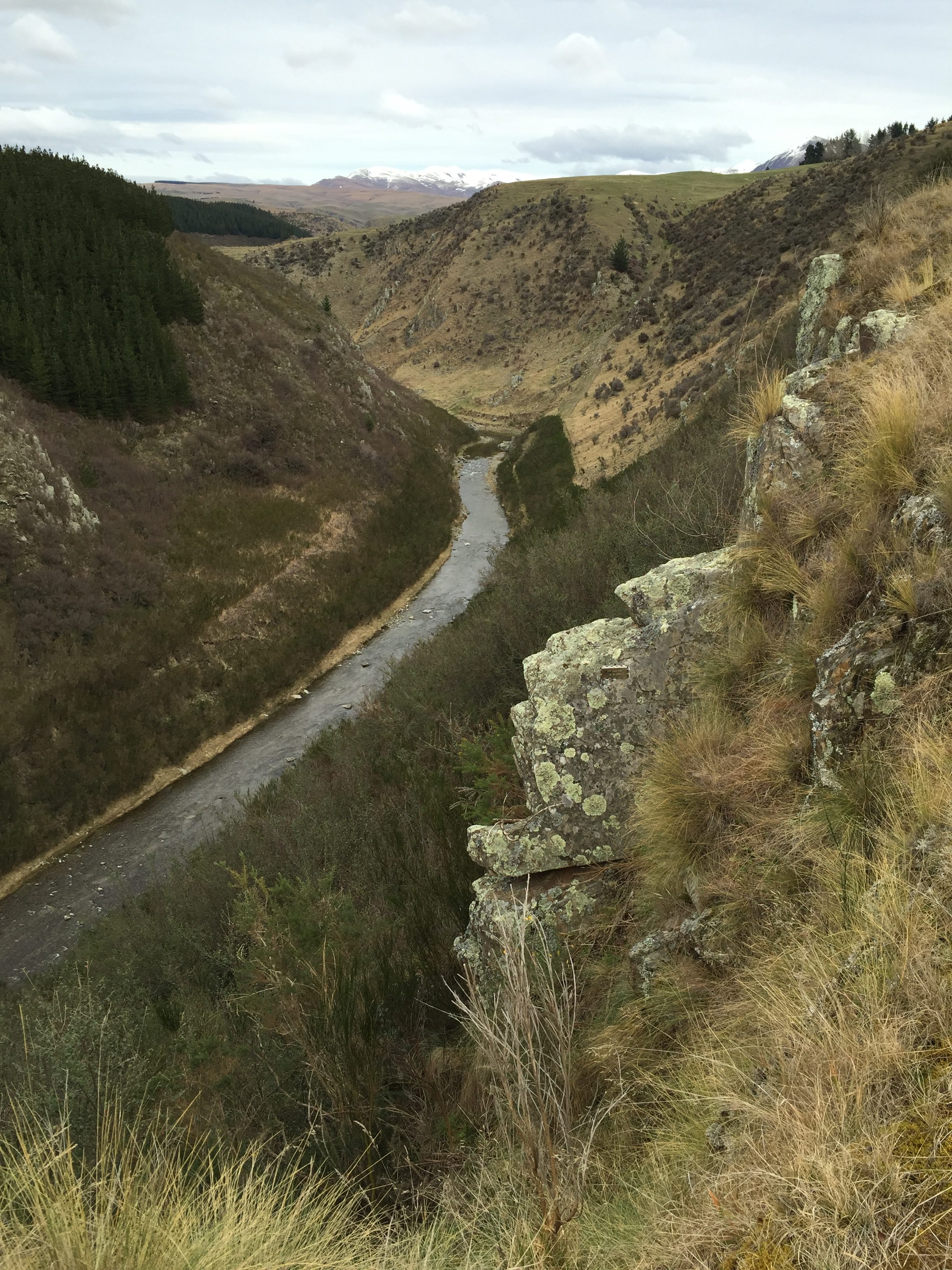
Imagine a typical stream or river running through farmland. It looks clear enough at first glance, but you start to notice something is not right. Algae begins appearing over time. The water quality gradually declines. Something is leaking into the ecosystem and altering the natural environment.
So the question becomes: what is responsible?
For a long time, scientists suspected a single culprit. But, in the early 2000s, soil scientist Andrew Sharpley and his colleagues, including Lincoln University researcher Professor Richard McDowell, set out to investigate why water quality problems persisted even when nutrient management practices were in place.
Their research, published in Plant and Soil (Sharpley et al.,2001), revealed that nutrient loss from farms to freshwater was far more complicated than previously thought.
Instead of one obvious offender, the evidence pointed towards two main suspects: nitrogen and phosphorus.
Solving this mystery changed how we manage nutrients within agricultural landscapes.

Suspect #1: Nitrogen- a.k.a ‘the quiet traveler’
Nitrogen moves easily through soil, making it difficult to trace back to its source.
Unlike phosphorus, which tends to stick to soil particles, nitrogen is highly mobile. It likes to dissolve in water and travels easily through the soil profile into groundwater systems, ultimately reaching streams and rivers. Because of this MO (Method of Operation/ Modus Operandi), nitrogen losses often occur out of sight below the surface, making them harder to catch and manage.
For a long time, nutrient management strategies focused heavily on the reduction of nitrogen loss. That made sense. If nitrogen moved easily through soil and into waterways, then controlling it should have solved the problem, right?
Well it didn’t.
Even when nitrogen losses were reduced and put under house arrest, freshwater quality issues often remained. This meant something else was involved… nitrogen had an apprentice picking up the slack.
Suspect #2: Phosphorus- a.k.a ‘the one hiding in plain sight’
Phosphorus has a different MO to nitrogen. Instead of traveling through groundwater channels, phosphorus often attaches itself to soil and sediment particles and is transported during rainfall and runoff events. Although dissolved phosphorus can also contribute to eutrophication, most phosphorus losses are strongly linked to surface processes, such as erosion and overland flow. It, essentially, disguises its movements during significant events, helping to evade detection.
Sharpley and colleagues showed that this difference between nutrients matters. Managing nitrogen alone was not enough, because phosphorus followed different pathways through the landscape.
Even more interestingly, strategies that were designed to reduce nitrogen loss sometimes came with unintended consequences. In some cases, the application of manure that was applied based on the crops nitrogen requirements, had repercussions that caused phosphorus to accumulate in soils, increasing the risk of phosphorus loss during runoff events.
So the investigation suddenly became more complicated.
It wasn’t just about catching one suspect anymore.

A breakthrough clue: location matters more than we thought
By this point, researchers realised that nitrogen and phosphorus behave differently, travel through landscapes in different ways, and require different management strategies.
One of the most important insights from this research was that nutrient loss doesn’t happen evenly across farms. Instead, it tends to occur in specific areas where high nutrient availability overlaps with the active transport pathways, such as runoff.
These are known as Critical source areas.
Think of them as the crime scene hotspots.
Not every paddock contributes equally to nutrient loss. Some areas of the farm are more prone to loss than others, especially where saturated soils, slopes or drainage pathways allow for nutrients to move quickly into waterways.
This changed the way scientists and researchers approached nutrient management. Instead of trying to control the nutrients everywhere at once, the attention shifted towards identifying the places where interventions would make the biggest difference.
Following the evidence: the phosphorus index
Once researchers realised that location played such an important role, they needed a way to identify where losses were most likely to occur. This led to the development of tools like the phosphorus index.
Rather than simply measuring how much phosphorus was present in the soil, the phosphorus index combines information about soil phosphorus levels with landscape features, such as slope, runoff risk and transport pathways. Together, these factors help identify where phosphorus is most likely to leave the farm and enter waterways.
Instead of treating entire farms the same way, the phosphorus index helps target management practices to the places that matter most.
Almost like predicting the potential next target location.

Plot twist: solving one problem can create another
One of the most interesting outcomes from this research was the discovery that managing nitrogen and phosphorus separately can sometimes create trade-offs between them.
Practices that were designed to reduce nitrogen losses can increase phosphorus accumulation in soils simultaneously. At the same time, strategies that reduce phosphorus runoff can increase nitrogen losses through drainage pathways.
This meant nutrient management couldn’t focus on just one suspect anymore. Both needed to be considered together.
That shift in thinking helped to reshape how scientists and land managers approach water quality protection today.
Despite these advantages, the case is far from closed. Excess nitrogen and phosphorus continue to enter waterways in New Zealand and around the world, contributing to algal blooms, reduced water clarity, oxygen depletion and the degradation of freshwater ecosystems. While researches now have better tools to identify and manage nutrient losses, protecting water quality remains an ongoing challenge.
Why does this case still matter?
The work by Sharpley and colleagues helped move nutrient management away from simple nutrient solutions towards more integrated approaches that recognise how nitrogen and phosphorus interact across landscapes.
Instead of asking how many nutrients are present, researchers began asking: Where are they most likely to move to?
That question led to better tools, better targeting of mitigation strategies and a stronger understanding of how agricultural systems influence freshwater quality.
By recognising that both nitrogen and phosphorus contribute to eutrophication through different pathways, scientists and land managers are better equipped to reduce excessive algal growth and protect the health of rivers, streams and lakes.
The mystery of nutrient loss is far from completely solved. But thanks to research, we now know where to look and which suspects deserve the most attention.
This article was prepared by Master of Science student Emma Meikle as part of the ECOL608 Research Methods in Ecology course.
- Sharpley, A. N., McDowell, R. W., & Kleinman, P. J. A. (2001). Phosphorus loss from land to water: integrating agricultural and environmental management. Plant and Soil, 237(2), 287–307. https://doi.org/10.1023/a:1013335814593