Category: community ecology

  • Our plants are not being poisoned by 1080 possum baits

    Our plants are not being poisoned by 1080 possum baits

    I’ll admit, before taking the 16 hour flight from Arizona to Christchurch, I didn’t know much about New Zealand besides ‘What We Do in the Shadows’, Karl Urban, and affordable yarn. I was especially excited to get my hands on possum yarn.  

    Possum yarn is coveted by the knitting community for its lightweightedness and warmth, only surpassed by the fur of arctic foxes and polar bears. And let me say that I absolutely think that the possum yarn was worth every dollar. With just 400 meters (one skein/ball) I was able to knit up a cabled hat, mittens, and still have some left over for some ankle length socks!  

    The feeling of possum yarn is incredibly soft and the natural brown color of the possum fur mixed with merino sheep wool makes for a more muted (in a good way) color palette. However, I recognise that the brushtail possum is a prevalent pest in New Zealand; so much so that drastic measures like Compound 1080 poison baits have been used since the mid-1950’s to control this introduced species. 

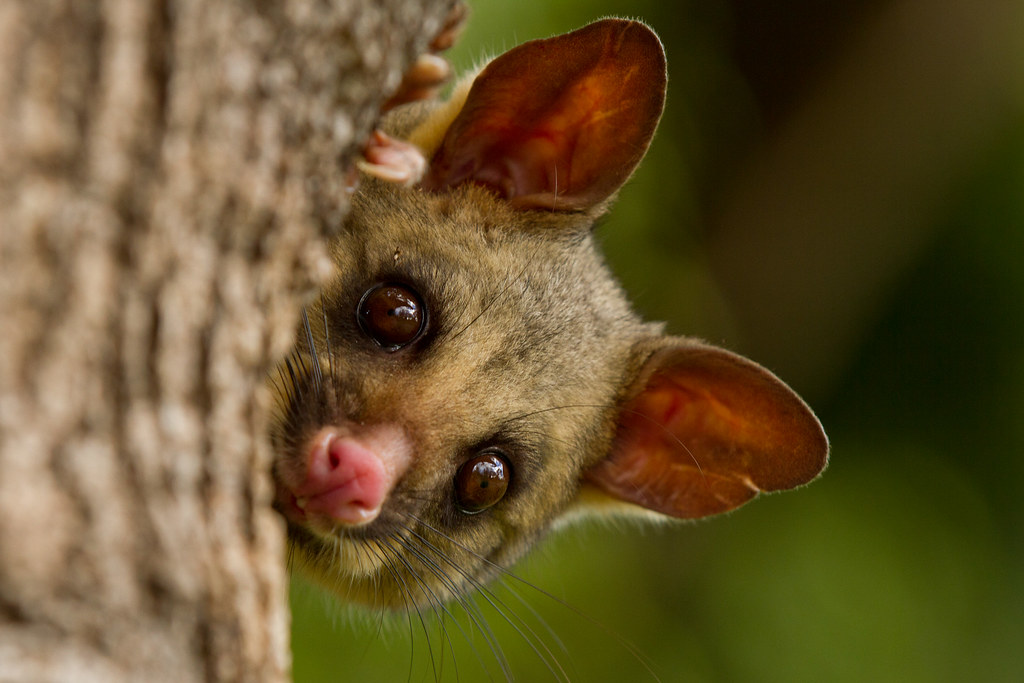
    Common Brushtail Possum by Catching The Eye, 2014 (CC BY-NC) 

    Compound 1080 for pest control in New Zealand 

    To put it simply, sodium fluoroacetate (AKA Compound 1080) is a vertebrate pesticide used to control introduced mammal species, such as rats, mice, feral cats, and possums. Without Compound 1080, these species decimate the population of endemic plants and animals only found in New Zealand. The compound is dispersed by aircraft(i.e. helicopters or fixed-wing planes) in either a carrot or cereal bait.  

    According to my professors, everyone has an opinion on the use of 1080. While Compound 1080 is great when it works, there are concerns from both the general public and Māori communities. From a public perspective, 1080 does have the real danger of killing people’s cats and dogs if accidentally ingested. As a pet owner myself, this is especially scary because my cat and dog would likely eat the bait before I’d have a chance to recognise what it was. Additionally, the Māori community has concerns about Compound 1080 leaching into the soil and then poisoning plants used for food or medicinal purposes.  

    Back in September 2003, a cooperative effort was made in New Zealand by the Ecology Department at Lincoln University, Landscape Research, Lake Waikaremoana Hapu Restoration Trust, and the Tūhoe Tuawhenua Trust to determine if Compound 1080 negatively impacts plant species used by the Ngāi Tūhoe Māori and if not, how to get this information spread among the iwi. To achieve this, a study was conducted on wild-growing pikopiko (AKA hen and chicken fern) and Karamuramu plants in State Forest Block 100, just south of Lake Waikaremoana. 

    Hen and Chickens FernAsplenium bulbiferum by John B, 2016 (CC BY-NC) 

    Ten individuals of each plant species were chosen and placed underneath wire mesh as protection against herbivory. Of the twenty plants, 3 of each species were exposed to a single Whanganui No. 7 cereal 1080 bait. Samples were taken from the plants throughout the study (days 0, 3, 7, 14, 28, and 56) as well as bait samples at the very beginning and end, to test for potential shift in potency over time.  

    More than 99% of the 1080 had disappeared from the baits by day 56 and all but one plant sample had no remaining amounts of 1080 within their systems. Of the twenty plants sampled, only one Karamuramu plant retained the toxin; and that was at most 5 parts per billion (ppb) and was completely gone by day 28.  

    Foodweb database 

    Karamuramu plantCoprosma robusta by eyemac23, 2025 (CC BY-NC) 

    I don’t know about you, but I’ve never been a huge fan of reading scientific articles. They’re always confusing, too long, and to be honest, a bit dry. Sometimes I wish I could, instead, just scroll through a presentation with all the information presented short and sweetly.  

    Oh wait, this article did just that and made up not only a comprehensive food web on the interactions of the forest environment with 1080, but also added hyperlinks to it that opens a PowerPoint!(Note: the article did not include the link to the original PowerPoint, only an image of one of the slides.) Each PowerPoint slide focuses on a single plant or animal species impacted by 1080, the intensity of 1080 impact, and additional reference sources. It’s easy to digest and leaves room for more research if one wanted to do so.  

    Concerns from the Māori community 

    In conclusion, I get why using Compound 1080 is necessary against invasive species, like the brushtail possum and it will likely never impact me on a personal level unless it somehow leaches into a batch of yarn or something. However, I also can understand why the Ngāi Tūhoe Māori tribe are still hesitant as 1080 is still a toxin and we may not know the full impacts. While the decision to use Compound 1080 in the Te Urewera area is complicated, in 2016 those from the Ngāi Tūhoe tribe largely oppose aerial drops since it cannot be controlled.  

    Final thoughts 

    I think it’s important to note that for a 70 kg person to actually die from consuming 1080 that has remained in a Karamuramu plant, (and even in this example the probability of death is only 50%), they would have to eat 28 tons (28,000 kg) of the stuff. And that’s also if the plant is eaten raw, normally it’s boiled in water as a tea and diluted even more. Personally, after reading this I wouldn’t be too worried about Compound 1080 in my plants but I will still leave the risk assessment up to those in the Māori community on an individual level. 

    For now, I will continue to enjoy knitting with the luxurious possum yarn until the pests are eradicated from New Zealand once and for all.  

    This article was prepared by Master of International Nature Conservation student Marie Frackiewicz as part of the ECOL608 Research Methods in Ecology course.

    OGILVIE, S.C., ATARIA, J.M., WAIWAI, J., DOHERTY, J., MILLER, A., ROSS, J.G. and EASON, C.T. (2010), Vertebrate pesticide risk assessment by indigenous communities in New Zealand. Integrative Zoology, 5: 37-43. https://doi.org/10.1111/j.1749-4877.2010.00190.x  

  • The three bird-iteers: all for monitoring and monitoring for all!

    The three bird-iteers: all for monitoring and monitoring for all!

    My time at Lincoln University has taught me that when it comes to bird monitoring, the most common practice is the 5 minute bird count (5MBC). This method is a simple and effective way of counting birds within a specific area by recording sightings and calls. Much of the time, using 5BMC, it is likely that you will not see the bird you are hearing, which is why being able to identify New Zealand birds just by sound is a very good skill.

    Lincoln University legend Jon Sullivan did a study on different bird data collection methods that could also mahi together to build a more accurate picture of birds in an area. The study focused on wider Christchurch, beginning in 2003, and recorded patterns in bird species within the area.

    One method that was used was the stationary method , which is pretty much the same as the 5MBC but is extended to 20 minutes. The other method used was the ‘mobile method’, also known as the ‘line-transect method’, where you collect data while moving at a fast pace, perhaps by bike, car, or running.

    Now to the fun stuff – birds!!

    In Jon’s study there was a focus on three bird species, which I call the three bird-iteers (with apologies to Alexandre Dumas). These are the grey warbler, fantail and the bellbird. These endemic birds are very adaptable to recent changes for forest bird species.

    Grey Warbler

    The grey warbler (Gerygone igata, riroriro) are found throughout New Zealand. They are small, grey/brown with a more pale shade of grey for the face to throat. They weigh approximately 6.5 g (lighter than a mouse) and their diet consists of insects and spiders.

    Grey Warbler (Gerygone igata)

    Grey Warbler. Photo CC BY Mikullashbee, Flickr

    Fantail/pīwakawaka

    Fantails are one of my many favourite bird species, as they love to follow humans around when you are on bush walks. Fantails are able to adapt to environments that have been changed by humans, which is not very common for New Zealand native birds. Fantails (Rhipidura fuliginosa, piwakawaka) are often found in open native bush, exotic plantation forests, orchards and gardens. Their diet consists of insects, especially small species. Fantails are a small bird about the size of a house sparrow, but what makes them so distinctive? Well the answer is in their name…. Yes their tails, like their name suggests they have a long tail that fans out like a well a fan.

    Fantail

    Fantail. Photo CC By Chris S, Flickr

    Bellbird/ Korimako

    Bellbirds(Anthornis melanura, koromiko)are commonly found in the South Island. These birds have a short, curved beak and are green with a slightly forked tail. Bellbirds, similar to Tūī’, have a distinctive song, it is like a high ringing that’s also kind of smooth, and the repeat the same tune. Bellbirds reside throughout native and exotic forest, scrubs and shelter belts of New Zealand. Their diet is nectar from native and exotic plants, although they do consume fruit in late summer and autumn. Also their diet consists of honeydew that’s found on beech trees.

    Bellbird

    Bellbird. Photo CC By Glenda Rees, Flickr

    Back to the study

    Jon Sullivan wanted to understand how nature responds to a forever changing world. He collected distribution and abundance information for many species with these three species being the focus. This is where the methods came into play as a standardised method and a repeatable one is needed to accurately tell us if a species is present or not. The methods talked about above were to work alongside each other.

    Around 100,000 bird counts were collected. The approach used helped to summarise data that was from one location, a certain time each week, and one daily route. The results showed that this approach was effective and just as effective as the 5 minute bird count. Counting birds while riding your bike along a road was just as effective at estimating and following trends as more traditional methods.

    Fantails, grey warblers, and bellbirds (but not to the same extent as the other 2) are majorly restricted to their forest biotopes and native plantings, particularly in spring.

    Like any good study, more data are needed to get a better and clearer understanding. This could create a good opportunity at Lincoln University to teach students doing ecology to learn how to use different techniques besides just the 5MBC methods. Then we too can collect decades long information on our favourite birds.

    This article was prepared by postgraduate student Caitlan Christmas, Masters of Science in Ecology and Conservation, for an assignment in ECOL608 Research Methods in Ecology.

    Sullivan,JJ(2012). Recording birds in real time: a convenient method for frequent bird recording https://researcharchive.lincoln.ac.nz/server/api/core/bitstreams/04dc8df3-2e34-4fe9-96a6-ea8a505ad0cc/content

  • The Magical World of Grass and Clover

    The Magical World of Grass and Clover

    *Disclaimer: This article contains Harry Potter references

    After four years of living and studying together, you would think you know someone pretty well. Alas, last week it turned out one of my flat mates had never seen (or read) Harry Potter… shocked, heartbroken, and outraged – the only way to solve this flat feud was to start from the beginning and watch Harry Potter and the Philosopher’s Stone.

    The next day, it was back to study. However, I couldn’t get the wizarding world out of my mind, especially knowing that the second movie, the Chamber of Secrets, was scheduled for that night. It got me thinking. Every hero has a sidekick. Batman and Robin, Frodo and Sam, Harry and Ron. But what if these iconic heroes don’t only exist in the worlds of Gotham City, Middle-earth, or Hogwarts. What if the heroes on this earth have sidekicks too?

    Legumes (like clovers) are heroes. Destined for greatness and capable of incredible things, they can capture nitrogen (N) from the atmosphere and convert it into ammonia, a biological form of nitrogen that fuels the ecosystem. Farmers often incorporate clovers into their pastures to provide nitrogen into the system. Because of their magic-like nitrogen capturing abilities, clovers boost the growth of neighbouring grasses and create an increase in food quality and quantity for grazing animals.

    White Clover (Trifolium repens). CC BY 2.0. Harry Rose

    It is generally understood that this is a one-way relationship, meaning clovers are humble heroes that provide N to the grasses and plants surrounding them. However, through my muggle research, I came across a recent study titled “Grasses procure key soil nutrients for clovers” by PhD student Zhang Wei.

    Could it be? A sidekick to our green three-leaf (sometimes four if you’re lucky) hero?

    Wei and his team questioned whether we properly understand the relationship between clovers and grasses. For the purpose of this article, let’s think of clovers and grasses as characters to understand better their relationship and how they work together.

    Perennial Ryegrass (Lolium perenne). CC BY-SA 4.0. Michel Langeveld

    Different plant species have various magic-like abilities to acquire nutrients. Grasses, for example, are potion makers and can release chemical substances into the soil to make elements such as iron (Fe), zinc (Zn), copper (Cu), and manganese(Mn) more available in the soil. Other plants call on the Room of Requirement and collaborate with fungi to increase access to nutrients through the fungal networks. Like how the Room of Requirement appears for those who need it most, fungi create symbiotic relationships with plants, enabling more nutrients to ‘appear’ and become more accessible in the soil. And clovers, as you now know, use their spellwork to fix atmospheric nitrogen (N).

    However, just like the spell “Wing-gar-dium Levi-o-sa” requires a certain pronunciation, N fixation requires a certain nutrient – phosphorus. Phosphorus is a nutrient constantly in high demand for clovers due to N fixation being such a taxing process.

    Zhang Wei and his research team carried out experiments to better understand how grasses influence the nutrient availability for clovers. Clovers and grasses were grown separately in individual pots, much like Harry living alone in the cupboard under the stairs. They were also grown together in shared pots, similar to Harry and Ron bunking together at Hogwarts. Measurements were then taken from the soil and leaves in all the pots to understand how the clovers and grasses influence each other’s growth.

    The researchers found that grasses promoted the growth of clovers when grown together. This was evident when higher amounts of nutrients such as nitrogen (N), phosphorus (P), potassium (K), and sulphur (S) were found in clover leaves growing with grasses compared to clovers that grew alone. Grasses give clovers a boost in accessing essential nutrients, much like how Ron supports Harry, offering the strength and loyalty he needs to face He-Who-Must-Not-Be-Named.

    Mixed sward of White Clover (Trifolium repens) and pasture grasses growing together. Nicole Parnell. 2025.

    Additionally, more biomass was achieved when both clovers and grasses were grown together compared to when they were grown apart. How would Harry have gotten through his years at Hogwarts without his friends by his side? They achieve more when they work together. By sharing their resources, the plants could increase their biomass, which boosts livestock feed while lowering fertiliser demand.

    The muggle authors acknowledge that more research is needed to fully understand the complexities of how nutrients move through the soil in plant communities like this, especially under field conditions. In 2023, Zhang Wei and his supervisors took the study into the field and, once again, saw enhanced legume growth when grown alongside a diverse range of pasture grass species. Think of Harry’s resilience and leadership, Ron’s loyalty and humour, and Hermione’s intelligence and discipline, all of which work together to create a strong, unbeatable partnership. Similarly, there is an enhancement of nutrient uptake in diverse pastures with legumes (including native legumes) and grasses. This suggests a possible reduction in fertiliser requirements in pastures with increased plant diversity.

    A study that referenced Zhang Wei’s work similarly found that plant mixtures with various legume and grass species reduced intraspecific competition, a term that explains competition between individuals of the same species (think Gryffindor vs Slytherin). This means that the growth and productivity of both legumes and grasses were further enhanced when grown together.

    Zhang Wei’s PhD study provided further insights into the flow of nutrients within plant communities, demonstrating that grasses also play a vital role in nutrient availability and enhancement. This study builds on the argument that pasture diversity can reduce reliance on artificial fertilisers and promote sustainable farming methods. These methods can increase the ecosystem’s stability, making it more resilient to disturbances such as droughts and/or floods. Like any partnership, growing together makes them stronger.

    That’s where the magic happens.

    This article was prepared by Master of Science student Nicole Parnell as part of the ECOL608 Research Methods in Ecology course.

  • Enemies with benefits

    Enemies with benefits

    The idea of ‘friends with benefits’ is reasonably widespread and understood. Having good interactions with others will often lead to even more productive outcomes. But what about ‘enemies with benefits’? Are there times where your enemy can give you some positive benefits?

    Invasive species cause ecological harm worldwide, threatening biodiversity, disrupting nutrient cycling and displacing native species. Pacific islands, with their characteristically high rates of endemism, experience out-sized effects from plant invasions (Bellard et al. 2014). In biodiversity hotspots, such as New Zealand, exotic invasive plant species now outnumber native species in area and in number.

    But, how do they do it?

    New Zealand habitats are prone to invasion by exotic plant species. Why is this?

    A study by Lauren Waller and other Lincoln University and University of Canterbury colleagues, published in Journal of Ecology attempts to find some answers. Lauren shows that exotic plants may gain their competitive edge by accumulating enemies in the soil and sharing them with neighbouring native plants, a phenomenon that plant ecologists call pathogen spillover.

    Lauren set up a large mesocosm (self-contained area) experiment. These were areas where new species could be added to a known group of native species in a very manageable process. The health and growth of all plants could be measured and microorganisms both present at the start and brought in on the introduced plants could be identified.

    Lauren expected exotic plants to experience improved growth due to escape from pathogens (leaving the burden of enemies behind when they come to NZ). This assumption comes in large part from two well-known hypotheses, the Enemy Release Hypothesis and the Evolution of Increased Competitive Ability (EICA) Hypothesis. Enemy Release states that exotic plants can gain incredible success when they move to a new location lacking the enemy pressure they experienced in their home range, particularly co-evolved specialist enemies. EICA goes a step further to suggest that if exotic plants can escape enemy pressure in their new range, those plants will have more resources to allocate to growth over defence.

    Somewhat supporting Enemy Release, exotic plants did not appear to suffer much from specialist fungal pathogens. However, exotic plants did associate with generalist pathogens. Also, in support of Enemy Release, exotic plants did not appear to allocate resources to defence. Instead, exotic plants appeared to tolerate generalist pathogen pressure without reducing their growth.

    Native Poa grown in a native versus exotic dominated plot.

    Lauren did not expect to see big impacts by exotic plants on native plants, and boy, did they! Native plants just wasted away when grown with exotic plants. It was very sad to watch. This photo shows an example of a native bunch-grass, grown with all native neighbours (left) or in communities dominated by exotic plants (right).

    What explained the out-sized effect of exotic plants on native plant growth? Our network analysis showed that exotics not only accumulated and tolerated generalist pathogens, but they shared their pathogens with native plants. Native plants did not appear to have the same tolerance for this enemy pressure like the exotic plants did. 

    We started by asking ‘are there times where your enemy can give you some positive benefits?’. It turns out that yes there are times when your enemies can help you a lot. In this case if species cause you problems it will be OK for you if they cause competing species even more problems! With invasive species, your microbial enemies can do you a good turn but taking out the opposition.

    Now that’s a real enemy with benefits!

    Lauren Waller and Adrian Paterson wrote this together (and not as enemies!). They are lecturers in the Department of Pest-management and Conservation.

    Bellard, C., Leclerc, C., Leroy, B., Bakkenes, M., Veloz, S., Thuiller, W., & Courchamp, F. (2014). Vulnerability of biodiversity hotspots to global change. Global Ecology and Biogeography23(12), 1376-1386

  • Creeks spread invasive herbs in New Zealand

    Invasive plants can have a devastating impact on our natural environment.

    What are invasive plants? Put simply, they are non-native plants that spread rapidly within New Zealand and pose a significant threat to ecosystems, agricultural production, or human health. It sounds awful.It is even worse than it sounds.

    Lodgepole pine (Pinus contorta) CC BY by Chris Schnepf, University of Idaho, Bugwood.org

    Invasive plants pose a threat to natural ecosystems as they are often highly competitive compared to native plants. Invasive species also spread rapidly to take over the living space of native plants, alter ecosystem structures, and reduce biodiversity.

    Many exotic plants are invasive, such as lodgepole pine (Pinus contorta) and Scotch thistle (Cirsium vulgare). Invasive plants change the composition of plant communities and affect food webs and ecosystem balance. For example, the introduction of eucalyptus alters soil chemistry and moisture content, affecting the survival of other plants and animals (Mengistu, 2022).

    Invasive plants also impact agriculture and grazing and can cause massive economic damage. Scotch thistle (Cirsium vulgare) can quickly spread and take over farmland, reducing crop yields. Unpalatable invasive plants can compete with pasture grasses, reducing the area of grassland available for grazing and affecting livestock husbandry (Massey Universy).

    Scotch thistle (Cirsium vulgare) CC BY by John Barkla,  

    Some exotic plants are harmful to human healthy, like Giant Hogweed (Heracleum mantegazzianum),  which can cause third-degree burns and even blindness by simply touching it!

    Knowing how invasive plants spread can help us to control them effectively. A study conducted at Lincoln University in 2013 focused on whether creek habitats are a source of spread for these invasive plants.

    Researchers from Lincoln University (Alice Miller and colleagues) studied Hieracium lepidulum (Asteraceae), an invasive herbaceous plant that has proliferated in the South Island in recent decades. It now occurs in a wide range of upland habitats, from improved short tussock grasslands, to intact beech forests, to alpine herbaceous fields. Hieracium is a more shade-tolerant relative of the widespread pasture hawkeed.

    Historical data suggests that Hieracium is common in naturally disturbed habitats, such as stream edges and forest canopy gaps. Alice selected creek catchments in the area with the longest known history of  H. lepidulum invasion in New Zealand:  Craigieburn Forest Park on the eastern side of the Southern Alps, Canterbury, New Zealand. She surveyed 1,144 spots along 17 creek catchments.

    Giant Hogweed (Heracleum mantegazzianum). CBS News

    Alice and colleagues found that creek habitats (e.g., stream edges and disturbed areas) play an important source role in the dispersal of H. lepidulum. These areas tend to be subject to more natural and human-caused disturbances, which provide a suitable growing environment for  H. lepidulum, and contribute to its rapid reproduction and accumulation in these areas.

    The high resource availability and frequency of disturbance at stream edges allow H. lepidulum to colonise and spread rapidly. Disturbed areas, such as forest clearings and trail edges, provide similarly favourable conditions. Stream habitats provide connected linear dispersal paths that allow H. lepidulum to spread rapidly along streams and from there into neighbouring areas.

    The dispersal patterns of H. lepidulum in forests and subalpine areas were found to differ. In forests, the dense canopy and ground vegetation form a natural barrier to the spread of this plant. As a result, the density of H. lepidulum in forests decreases rapidly with increasing distance from creeks, except in areas with higher light availability, such as tree-fall gaps.

    Forested areas near creek edges remain vulnerable to invasion. In contrast, in subalpine habitats, H. lepidulum density declined more gently with increasing distance from creeks. This suggests that these areas are less restricted to seed dispersal corridors and more susceptible to invasion.

    Location of study area with the 17 surveyed creeks in bold and indicated by an asterisk. From Google Map

    The study also found that multiple environmental variables had an effect on H. lepidulum abundance, with dense canopy cover reducing light and inhibiting its growth. Areas closer to stream mouths were usually more frequently disturbed and H. lepidulum abundance was relatively higher. Higher elevation areas pose a challenge to H. lepidulum growth due to harsher climatic conditions, but the invasion is still significant in subalpine areas. Disturbances, such as human activities, increase the chances of reproduction and dispersal of H. lepidulum.

    Alice provided several recommendations for managing and conserving areas affected by H. lepidulum. First, she suggested prioritising efforts to limit the spread of this invasive plant by reducing disturbances in the environment and using biological control methods. Second, she recommended setting up monitoring systems in vulnerable subalpine habitats to detect and control H. lepidulum early and prevent it from forming large populations. Finally, while disturbances are natural in these ecosystems, it is important for managers to consider the additional impact of human activities, such as building roads and trails, which can exacerbate the invasion, especially in subalpine areas where the barriers to invasion are lower.

    Hieracium lepidulum Stenstr. (Asteraceae).CC BY by John Barkla

    Through this study, we have gained valuable insights into the dispersal patterns and environmental impacts of the invasive plant H. lepidulum. This hardy invader tends to thrive along creek margins and in disturbed areas, making these locations hotspots for its spread. It is our responsibility to protect these pristine landscapes from invasive species.

    If you’re hiking in New Zealand’s stunning mountains, keep an eye out for those little H. lepidulum spreading on the sly. Let’s be the guardians of nature and protect this pristine land from these “little invaders” that are taking over our ecosystem.We can help preserve the natural beauty and biodiversity of New Zealand’s ecosystems, ensuring that these “little invaders” do not take over and disrupt the delicate balance of our environment.

    This article was prepared by Master of Pest Management postgraduate student Hao Zhang as part of the ECOL608 Research Methods in Ecology course.

    References:

    Mengistu, B., Amayu, F., Bekele, W., & Dibaba, Z. (2022). Effects of Eucalyptus species plantations and crop land on selected soil properties. Geology, Ecology, and Landscapes, 6(4), 277-285. https://www.tandfonline.com/doi/full/10.1080/24749508.2020.1833627

    Miller, A. L., Wiser, S. K., Sullivan, J. J., & Duncan, R. P. (2015). Creek habitats as sources for the spread of an invasive herb in a New Zealand mountain landscape. New Zealand Journal of Ecology39(1), 71-78. https://www.jstor.org/stable/26198696

    massey.ac.nz/about/colleges-schools-and-institutes/college-of-sciences/our-research/themes-and-research-strengths/plant-science-research/new-zealand-weeds-database/scotch-thistle/

    https://www.cbsnews.com/news/giant-hogweed-plant-causes-blindness-third-degree-burns-discovered-in-virginia-other-states/

  • Invasive predators may alter the personalities of New Zealand’s native birds

    • A recent study published in the New Zealand Journal of Zoology suggests that introduced invasive mammalian predators are changing the personalities of native birds.
    • Researchers compared two populations of kakaruai/South Island robins in similar forest habitats, one from the predator free island of Motuara and one from the main island, where introduced predators are present.
    • In the experiment, robins from the main island were more shy and less bold when they could pick up presented food items close to the researchers.
    • This suggests that a selection pressure from introduced predators favours individuals that are less bold and more cautious, potentially shifting personality traits of individuals in populations under predation pressure in the long term.
    Petroica australis. (C) Copyright Maximilian Hanschmann - all rights reserved.
    Petroica australis in the Hawdon Valley (Arthur’s Pass). (C) Copyright Maximilian Hanschmann – all rights reserved.

    New Zealand’s robins are well known for their curiosity driven behaviour, but they are at risk and the populations are declining.

    The small birds only weigh 35g and can survive up to 17 years – given that they are safe from invasive predators.

    While still occurring on the main islands and doing better than many other species endemic to New Zealand, that evolved in the absence of any mammalian predators, the robins struggle to survive since several predatory mammal species have been introduced to New Zealand by humans.

    During their evolutionary history in New Zealand, the birds never needed to coexist with these predators and as such act in a naive way towards them, making them an easy prey for ship rats, possums, stoats, weasels and feral cats.

    Introduced predators are a big problem for robins, even if populations survived until now, they are struggling where predators are present, a fate they share with almost all remaining native bird species. Predators will prey on eggs, nestlings, fledglings and adult females in the nest, leading to skewed sex ratios, where there are many more males than females in the population. The risk of nest predation is seven times higher where mammalian predators are present, and the life expectancy of adult birds is reduced by roughly 75% compared with areas free of predatory mammals.

    Petroica australis on the West Coast of South Island. (C) Copyright Maximilian Hanschmann – all rights reserved.

    In a recent study published in the New Zealand Journal of Zoology, researchers looked at different populations of the kakaruai/South Island robin (Petroica australis) to assess the impact of mammalian predators on their behaviour.

    Individuals in two different populations, living in a similar native (kanuka Kunzea ericoides dominated) forest habitat but with a different exposure to introduced mammalian predators, were studied. One population lives on the predator free island sanctuary of Motuara and originates from a population that was never under the influence of mammalian predators, except for rats. The other population lives in two connected patches on mainland New Zealand, close to Kaikoura and is exposed to mammalian predators present at the site, including feral cats, stoats, ferrets, weasels, rats, mice and possums.

    The aim was to assess the boldness of the robins or the willingness to take risks, which can vary among individuals within a species and can be influenced by environmental factors.

    A robin in Nina Valley. Image from Adrian Paterson

    To assess the propensity to take risks (known as the ‘shyness-boldness’ continuum) of the birds, mealworms were presented as food items at different distances to the researchers (proximity as a risk). It was then noted how long a bird took to pick the first item up (approach time) and how long a bird took to pick up all the food items (handling time). The quicker the bird approached and the more time it spent close to humans, the bolder it was considered.

    The results showed that robins not under influence of predators had a significantly bolder personality. They were much more likely to quickly come as close as 30cm to the researchers and spent more time handling the food as robins that live on the mainland, under the predation pressure of various introduced mammals.

    These findings suggest an evolutionary selection pressure against bold individuals in the robin populations that are exposed to introduced predators. The predation risk has the potential to select for certain personality traits that correlate with reduced predation risk, favouring shyer birds.

    The findings highlight the big impact of introduced predators, influencing the behaviour and possibly evolutionary outcomes. Individuals that are more cautious around predators are less likely to get killed and have a greater chance to have more offspring, promoting their personality traits in the next generations. These effects are likely not limited to robins, but likely also apply to other struggling native bird species that survived until now.

    The researchers also point out the importance of considering behaviour in conservation actions, as shy individuals should be chosen for reintroduction or supplementation programs in areas where predators are present, to increase the chance of survival.

    Robin and trail camera in Nina Valley. Image from Adrian Paterson.

    What you can do:

    • Spread the word! Talk with other people about biodiversity issues and how to solve them.
    • Value the unique native ecosystem of New Zealand and its vulnerable species.
    • Promote no-go areas where birds breed and in core areas of vulnerable ecosystems.
    • Lobby for better regulations and environmental standards.
    • Use your vote in elections to support the effort to safe New Zealand’s unique, but highly endangered biodiversity.
    • Control predators on your property. Help others controlling predators.
    • Plant native plants from your region. Remove non-native plants, even if they are “pretty”.
    • Participate in citizen science (e.g. iNaturalist) and help to detect various species.
    • Be a responsible cat owner: cats should be microchipped, registered and unable to reproduce uncontrolled. Consider walking your cat on a leash or ensure it can’t leave your property. New Zealand’s native species are exceptionally vulnerable to predation! Feral populations are not only a huge issue for non-adapted, vulnerable species, but also an animal welfare problem for the feral cats.
    • Be a responsible dog owner: dogs should be microchipped, registered and unable to reproduce uncontrolled. Walking your dog on a leash reduces the negative impact on wildlife. Dogs are among the gravest threats for adult kiwi, as they can kill a kiwi by just giving it a playful push (kiwis don’t have a sternum and are incredibly vulnerable). Ensure the dog can’t leave your presence.

    This article was prepared by Master of International Nature Conservation student Maximilian Hanschmann as part of the ECOL608 Research Methods in Ecology course.

    Read the full study here:
    White, R., Rossignaud, L., & Briskie, J. V. (2023). The bold bird gets the worm? Behavioural differences of South Island robins (Petroica australis) in relation to differing predation risk. New Zealand Journal of Zoology, 51(2), 334–349. https://doi.org/10.1080/03014223.2023.2255165

  • Remove one NZ invasive mammal predator and another steps into its place

    Invasive species are a major concern for ecosystems worldwide, causing significant disruptions to native flora and fauna. Some mammals can have particularly devastating effects on local ecosystems due to their predatory nature. In the Hawke’s Bay, New Zealand, a recent study titled “Niche Partitioning in a Guild of Invasive Mammalian Predators” sheds light on the dynamics of invasive mammalian predators and their impact on the region’s native biodiversity.

    I’ll walk you through the key discoveries and explain why they hold immense importance in our understanding of niche partitioning and its implications for ecosystem management.

    Niche partitioning refers to the process by which species with similar ecological requirements coexist within an ecosystem by utilizing different resources or occupying different ecological niches. Niche partitioning reduces direct competition, promoting the coexistence of species that would otherwise struggle to survive in the same habitat.

    In Hawke’s Bay, a guild of invasive mammalian predators has established, comprising three key species: stoats(Mustela erminea), ferrets (Mustela furo), and feral cats (Felis catus). 

    These predators were introduced to New Zealand and have since wreaked havoc on many native bird populations. Recent studies have revealed an intriguing pattern of niche partitioning among these invaders, suggesting a potential balance within the guild.

    Camera traps were deployed in three seasons. Credit by Albert Salemgareyev/ACBK

    Researchers have observed distinct differences in the dietary preferences and hunting strategies among these invasive predators in Hawke’s Bay. These variations have allowed the species to exploit food, reducing direct competition and encouraging the peaceful coexistence of individuals.

    Stoats, being the smallest and most agile of the three predators, specialize in hunting rats, mice, and birds. Their slender bodies and keen sense of hearing enable them to pursue their prey with stealth and precision. Ferrets, on the other hand, are larger and more versatile, adapting to different types of prey or using various hunting techniques. Ferrets tend to target larger prey, such as rabbits and small hares, which they capture using their strength and speed. Feral cats, similar to stoats and ferrets, are solitary hunters, exhibiting a broader dietary range, preying on both small and medium-sized mammals, birds, and reptiles.

    While the predators may occasionally target overlapping prey species, they generally exhibit distinct foraging preferences and occupy different microhabitats. Stoats predominantly inhabit forested areas, where their excellent climbing abilities give them an advantage in pursuing prey in trees.  Ferrets, with their larger size and ground-based hunting strategies, are often found in open grasslands and shrublands. Feral cats, being highly adaptable, can exploit a range of habitats, from dense forests to human settlements.

    The phenomenon of niche partitioning among invasive predators in Hawke’s Bay has important implications for native species conservation. By occupying different ecological niches, these predators help reduce the burden on specific native animals in an indirect manner, allowing them to persist despite the presence of invaders.

    Bird species, in particular, have been heavily impacted by the invasion of mammalian predators. Native birds, such as kiwi, weka, and tui, have experienced population declines due to predation. However, the niche partitioning observed among invasive predators offers a glimmer of hope for the survival of some native bird species. For example, stoats target ground-dwelling birds, while ferrets focus on larger prey, like rabbits. This division of labour reduces the overall predation pressure on specific bird species and allows them to maintain a foothold in their respective habitats.

    Stoats are tricky to study. They are hard to find in the field and difficult to keep in captivity. Image from Adrian Paterson.

    Understanding the dynamics of niche partitioning among invasive mammalian predators can inform targeted conservation strategies. By recognizing the specific resources and habitats favored by each predator species, conservationists can create plans for managing natural areas that utilize the division of habitats to safeguard endangered native animals.
    Implementing effective trapping and removal programs, focused on the specific predators posing the greatest threat to certain bird species, can help alleviate their population declines.

    Habitat restoration initiatives aimed at enhancing native bird habitats, while creating barriers for invasive predators, can further support the survival and recovery of endangered species. For instance, Wellington, Zealandia is a 225-hectare fenced sanctuary dedicated to protecting and restoring native wildlife. The sanctuary is predator-free and provides a safe haven for endangered bird species like the tīeke (saddleback), kākā, and hihi (stitchbird). Zealandia also conducts active predator control outside the sanctuary to create a buffer zone for native birds.

    The study on niche partitioning among invasive mammalian predators in Hawke’s Bay offers valuable insights into the complex interactions within ecosystems and the potential consequences of invasive species on native biodiversity. These findings provide a foundation for conservation efforts and ecosystem management strategies aimed at mitigating the negative impacts of invasive predators on native flora and fauna. By understanding the dynamics of invasive species, we can work towards restoring and preserving the delicate balance of ecosystems, ultimately fostering a more sustainable future for our planet.

    Removing cats and ferrets from an ecosystem often has unforeseen consequences, as evidenced by the subsequent increase in site use by stoats. Stoats, cunning predators known for their ability to adapt to changing circumstances, have exploited the absence of cats and ferrets to their advantage. In the absence of these competitors, stoats have become more active during the day, closely following diurnal bird activity. This behavioral shift has raised concerns among conservationists, as it highlights the need for predator control measures to account for the specific hunting patterns and preferences of different predators.

    Failing to address this issue adequately could lead to a worse outcome for daylight birds, whose vulnerability to stoat predation may increase if their activities are not considered in predator control strategies. Therefore, it is crucial for ongoing conservation efforts to not only focus on removing invasive predators but also to consider the complex interactions among species and the potential cascading effects that may arise.

    This article was prepared by Master of International Nature Conservation student Albert Salemgareyev as part of the ECOL608 Research Methods in Ecology course. Albert won a prestigious Whitley Award for Conservation in 2023.

    Garvey, Patrick M., Alistair S. Glen, Mick N. Clout, Margaret Nichols, and Roger P. Pech. 2022. “Niche Partitioning in a Guild of Invasive Mammalian Predators.” Ecological Applications 32(4): e2566. https://doi.org/10.1002/eap.2566 

  • Tricks of the underground trade: networking below the vines

    Life in the soil can be a tricky business for plants and microbes. Nutrients are a limited commodity for some, and competitors may swindle and cheat to gain the upper hand. Strategic partnerships are highly sought after enabling exchange of one commodity for another within elaborate networks.

    In a tough economy, well-connected networks promote resilience, sharing of ideas and opportunity to those participating in mutual exchange. However, an efficient network should be an intentional one. Making simple connections is one thing, but choosing the right friends and trade partners is another.

    Although it may not appear that obvious on the surface, most land plants are proficient networkers. Below ground, plants form selective partnerships with microorganisms in the soil to access nutrients, water, and protection from pathogens. Those with strong networks are favoured in times of scarcity and change.

    Fungal mycelium consisting of thread-like hyphae. Photo by Lex vB at Dutch Wikipedia, (CC0 1.0)

    Within soil communities, fungi known as mycorrhizae play a major role in the growth and survival of plants. It is estimated that more than 80% of vascular plants form partnerships with mycorrhizae, an ancient evolutionary network approximately 450 million years old.

    Mycorrhizae are of particular importance in the viticultural industry as grapevines are highly reliant on these partnerships for growth and nutrient uptake influencing grape composition, vine health and occurrence of disease. In fact, grapevines form associations with entire communities of mycorrhizae known as arbuscular mycorrhizal fungi (AMF).

    AMF form close associations within the root tissue of plant hosts through specialized tree-like structures called arbuscules. These allow exchange of mineral nutrients from the soil for carbon fixed by the plant host which is transferred through the extensive hyphal network in the soil. These hyphae form interconnected “superhighways” within the soil, linking neighbouring vines and nearby crops transferring nutrients, such as nitrogen, from one host to another.

    Arbuscule of Rhizophagus irregularis colonising a plant root. Photo by Hector Montero, Flickr (CC BY-SA 2.0)

    AMF are highly diverse and have different effects on nutrient uptake and growth on grapevines. Depending on the situation, AMF can have positive, neutral, or negative effects on plant growth and stress resistance. However, under field conditions, plants are selective in the networks they build. These communities perform a diverse range of functions which collectively contribute to plant health and characteristics. Therefore, investing in the right trade partners is crucial.

    Until recently, the effects of whole AMF communities on grapevines had been largely unexplored. A research project at Lincoln University lead by Dr. Romy Moukarzel sought to understand how AMF different communities influence nutrient uptake and growth of different grapevine rootstocks. 

    In other words, who are the trade partners behind the vines and what is the return from these communities?

    To answer these questions, AMF communities were recovered from the roots of three different grapevine rootstocks across three different vineyards. Each rootstock was inoculated with its own (“home”) community or communities from other rootstocks (“away”) within three different vineyards. Vine growth, nutrient uptake, and chlorophyll levels were measured to find out if different communities had positive or negative effects on the different rootstocks.

    Consistent with previous work, different vineyards and rootstocks had their own unique communities. Growth and nutrient uptake differed depending on the composition of the community and rootstocks responded differently to the same communities. While some species in these communities improved nutrient uptake, others improved growth. In particular, a diverse community with a large representation of AMF of the Glomeraceae family resulted in the greatest increase in grapevine growth.

    In one vineyard, home advantage was also evident with “home” communities having greater increase in vine growth compared to “away” communities. Interestingly, when the amount of each AMF inoculum was equalised, home advantage was no longer observed.

    By changing the community composition, the positive effects on plant growth were reduced.

    New Zealand vineyard. Photo by Jorge Royan (CC BY-SA 3.0)

    Moukarzel and colleagues suggested that altering the composition may have resulted in competition between AMF leading to reduced positive effects on the host. AMF are known to compete for host resources, soil nutrients and colonisation sites. As a result, cooperation, and rivalry between AMF within different communities may have major implications for vine productivity.

    So, what can grapevines teach us about networking?

    Basically, choose your trade partners wisely. Identify friends and adversaries within the network and invest in those relationships with the greatest return.

    As proposed by marketing expert, Porter Gale: the so-called ‘new model’ of networking should focus less on ‘handing out as many business cards as possible’ and more on making connections based on how you want to grow. In other words, efficient networking should focus on investing in specific needs and interests. A well connected network with diverse partners offers wide opportunity and stability if components are co-operative.

    Overall, the findings generated from the study will be an invaluable insight towards leveraging AMF communities to target specific growth and nutrient requirements of grapevines. This is of particular importance to the viticultural industry as the composition of these communities play an important role in determining vine health, yield, nutrition, grape composition, and wine characteristics.

    Featured image: vineyard inter-row by rawpixel.com (CC0 1.0)

    While this study has provided a step towards understanding the communities below the vines, soil is a complex system with a wide range of players and there is much to learn about the orchestration of these networks. There are likely many more tricks of the underground trade to uncover.

    Moukarzel, R., Ridgway, H. J., Waller, L., Guerin-Laguette, A., Cripps-Guazzone, N., & Jones, E. E. (2022). Soil Arbuscular Mycorrhizal Fungal Communities Differentially Affect Growth and Nutrient Uptake by Grapevine Rootstocks. Microbial Ecologyhttps://doi.org/10.1007/s00248-022-02160-z

    This article was prepared by a Master of Science postgraduate student Malina Hargreaves as part of the ECOL608 Research Methods in Ecology course.

  • Oh the horror! What should scare us at Halloween

    It’s Halloween today. Although ‘trick or treating’ has started to catch on over the last couple of decades, Halloween has never been that big a deal here in NZ. Perhaps it’s because it happens in spring when everything is greening up, new life abounds around us, and we are starting to appreciate the lengthening days and warmth. In the northern hemisphere it is the opposite and perhaps lends itself to the sinister, the thinning of the veil between worlds, the slide into the difficult time of the year.

    Halloween – a time for ghouls and ghosts.

    Most obviously, Halloween is a time for horror movies and themes. Scary images show up on our screens and theatres and aim to frighten us. I’ve often thought that horror does not capture Halloween that well. Halloween is more about fey magics, creatures of legend appearing to drive uncanny bargains, the sense of the other, and perhaps a sense of dread. Horror seems like a small part of this.

    To be fair, I am not a horror fan. I am certainly not a gore and blood person. I enjoyed the old Hammer Horror films, was scared by “The exorcist”, and scarred by “The fly” (the old black and white version – “Help me…”). But I have stayed clear of slasher films and probably haven’t seen a full-on horror for, well, for a long time.

    What are people horrified by at Halloween? Mostly it is ghouls, witches, zombies, vampires, English rugby referees, and ghosts. But it seems to me that there are plenty of other things to be horrified about.

    What’s down that path….? Opportunity or threat?

    Cate Macinnis-Ng and a host of authors, including Will Godsoe from Lincoln, have published a paper in the Journal of the Royal Society of New Zealand. In this they look at the potential threats and opportunities with the ongoing change in climate. The neat angle here is that they take perspectives from many different people and apply an ecological method, a horizon-scanning approach, to come up with ten for each.

    Most of the benefits revolve around the application of new technologies and the chance for major positive societal changes. The negatives are much more specific, more disease outbreaks, dealing with heat waves, increasing black swan events and so on. It is not difficult to read this and feel a real sense of alarm for the future.

    So, if you want some real dread this Halloween day, then this is an article to read. Perhaps under your bed covers with the torch. There are no bumps in the night, no jump cuts, no creepy faces in mirrors (although I guess NZ is a bit like a cabin in the woods).

    But there is plenty of dread and horror.

    Adrian Paterson is a lecturer at the Department of Pest-management and Conservation, Lincoln University.

  • Life near the edge: same dung, different day

    Although I was vaguely aware of dung beetles and their role in the ecosystem, I finally became interested in them while participating in giraffe research in South Africa. I’ll never forget the time when I was finishing up my giraffe work for the day and I stopped to watch a couple of dung beetles who were squabbling over a single ball of dung (poop). What I had perceived to be a relatively gentle disagreement escalated quickly when I watched one demolish the other with a long-time favourite move from the World Wrestling Foundation, the Brainbuster. You know the one.


    Dung beetles play an essential role in the environment. However, they fly a bit under the radar, which is why they are often called nature’s “unsung heroes.” There are over 100 species of dung beetle, each choosing one of three strategies: rolling, tunneling, or dwelling in dung. Not only do they eat and live in animal dung, but they increase the freak by reproducing in it and burying it. This ensures their offspring have plenty of food for when they hatch. 

    As gross as it is, this burying behavior strongly limits the growth of vertebrate parasites, which is tremendously helpful to the rest of the ecosystem. They help remove animal dung from the surface environment with incredible efficiency and speed. In some places, the beetles can eliminate a pile of dung in less than 10 minutes, where the ground would otherwise be carpeted with it.

    Dung beetles are very widespread, found in many different habitats across all continents except Antarctica. Like many species, dung beetles appear to be harmed by the break-up of natural environments. This fragmentation reduces the size of undisturbed, or core, habitat in the centre and creates isolated habitat patches. The environment along the edge of a habitat is usually quite different from the core. In forests, for example, it’s typically windier and sunnier at the edge of the forest than in the centre. 

    Edges are not only susceptible to environmental challenges, but also to human impacts. They are more vulnerable to fire, as well as illegal harvesting or collecting of plants or animals by humans, simply because they are more easily accessible. Some of these impacts along the edges don’t stay localized, but can radiate into the core habitat as well.

    Edges are in fact an important habitat, because they support species that like transitions between different habitats. However, as humans continue to break up large habitats, with roads or communities for example, the amount of edge habitat increases, while core habitat shrinks. This challenges the animals that rely on core habitat. Additionally, the edges of habitats typically support fewer species than the core. We don’t want to consistently change habitats around the world to ones that support similar and fewer species. 

    Buffer zones are areas around a sensitive, often legally protected, environment that are typically managed to reduce edge impacts on the borders of a sensitive area. Sometimes buffer zones have methods to exclude humans or livestock, such as fences. Sometimes they are simply designated areas without active protection measures. Relatively little is understood about how effective buffer zones actually are for some species.

    Back to dung beetles, we typically see fewer individuals and a less diverse group of dung beetles along habitat edges than in the core, because they are a group that tends to be quite affected by human activities. For example, because they are in constant contact with dung, they are exposed to pesticides that livestock ingest, which has been causing population declines. But how do buffer zones impact dung beetle diversity and density along the edge of protected habitats?

    Andrew Barnes and his colleagues, including the late Rowan Emberson from Lincoln University, decided to find out. The montane rainforests in Sub-Saharan Africa are shrinking rapidly, largely due to deforestation for agriculture and grazing. There is also nearby habitat decline that often comes with agriculture. The Ngel Nyaki forest reserve in Nigeria is a heavily fragmented area. To test how dung beetles would respond to increasing edge effects, the researchers applied experimental habitat restoration treatments to certain areas along the edges. For the restoration, researchers excluded livestock with fencing, created and maintained firebreaks to help block fire, and allowed passive natural regrowth of the floral community. This combined restoration occurred in 200 metre buffer zones over the course of three years.

    The impact of these buffer zones was remarkable. In the forest next to the restoration area, the dung beetle population size increased by over 50% compared to the unrestored areas. Perhaps more important was the difference between dung beetle populations in the edge and habitats. Before the restoration, there were many more species of dung beetles in the habitat core and relatively few in the edge. After the restoration, that difference disappeared, meaning that the buffer zones successfully mitigated the challenges that are typical of edges for dung beetles. The restoration also led to the return of certain species that had previously locally disappeared in the degraded habitat.

    These changes are incredibly pronounced and occurred after only three years and with small levels of restoration. While firebreaks do require active maintenance, it is encouraging that even relatively minor land-use changes around protected areas can make a world of difference for many species. Relatively few studies have been completed about the effectiveness of buffer zones, so this is a single, but vital, drop in a much larger pot of conservation decisions. 

    After all, we want all dung beetle species to survive, no matter how gross or freaky, to tidy up after vertebrates and perhaps to get more inspiration for wrestling moves.

    This article was prepared by Master of International Nature Conservation student Julia Criscuolo as part of the ECOL608 Research Methods in Ecology course.

    Barnes, A.D., Emberson, R.M., Chapman, H.M., Krell, F-T., & Didham, R.K. (2014). Matrix habitat restoration alters dung beetle species responses across tropical forest edges. Biological Conservation, 170: 28-37. DOI: http://dx.doi.org/10.1016/j.biocon.2013.12.006