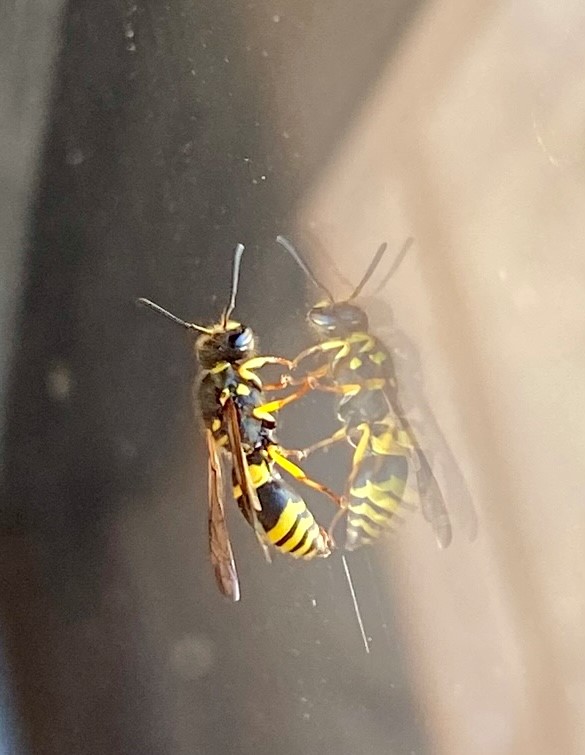
Category: human

  • It’s only forever, not long at all

    It’s only forever, not long at all

    Time has very much been on my mind lately.

    To be exact, it is probably the comprehension of time that has been at the forefront.

    I just went to the 40th anniversary of the movie ‘Labyrinth’, a quirky movie by Jim Henson of muppets fame, written by Monty Python Terry Jones, and starring David Bowie as the Goblin King (and who also wrote the songs) and Jennifer Connolly in her first role. Essentially a teen babysitting her baby half-brother wishes the goblins would take him when he cries to much. They do and many dream-like twists and turns occur in the goblin labyrinth as Sarah finally outwits the Goblin King to get the baby back.

    I was 19 when I went to the cinemas to see this movie. It’s a little intimidating to think that 40 years have passed since that that fresh-faced Adrian was starting his honours year at Otago. In some ways it seems like yesterday, in others a lifetime has passed by. I mean I’ve done a PhD, got married, became a lecturer, raised three sons to independence, supervised 78 postgraduates to completion, travelled, read a lot of Tolkien, listened to a lot of Kate Bush, played a lot of games, coached a lot of cricket and so on.

    Adrian in 1989 – starting his research career with behavioural work on native bees. Image by Adrian.

    (By the way the movie holds up well, the practical effects are still amazing, the songs catchy, Bowie’s pants are still alarmingly tight, although there are parts that have not aged well, especially the early computer effects – I’d like to think of that as a metaphor for something!)

    At a smaller scale, my granddaughter is about to turn one. (Note even the idea of being a grandfather makes me contemplate time a lot!) As an evolutionary biologist I have always said to my classes that, from an evolutionary fitness point of view, becoming a grandparent is the goal – you have reproduced and your children have reproduced. There’s not much more that you can do.

    I’ve also found that being a grandfather is a wonderful job in its own right! It feels like the most important thing that I could be doing. So yah for evolution!

    The last year has whizzed by and granddaughter has changed from an organic lump into a moving, noise-making, interactive Individual. Biology is amazing. But where did that year go?

    The perception of time is a funny old thing. With regards to my granddaughter the last year has sped by. On the other hand, I got a bad concussion last January (I zigged when I should have zagged) and the recovery from that, still ongoing, seems to have taken a decade. Same period of time but contrasting experiences!

    Adrian in 2026 with granddaughter. Image by Julie Paterson.

    Our poor human perception of passing time can really get in the way of understanding science, especially the sciences that take place over long periods, such as evolution, geology, astronomy. A particular issues is getting our minds to comprehend just how much time there has been.

    In my teaching I have used several analogies to try and get across the sheer scope of time. You want to take something familiar and use that as a metaphor. I’ve walked around the classroom where every step is 50 million years, I’ve used a rugby game where every minute is 25 million years. Usually, I am trying to emphasise that the dramatic stuff that we are most interested in happened recently and a looooooong time from the beginning.

    So here I go again trying to give a sense of the time available for the history of the Earth! This time let’s think about ‘The Lord of the Rings‘. Most people know the basic story: Bilbo gives Frodo a magic ring which turns out to be the source of the Big Bad of the world’s power that must be destroyed in the volcano where it was made. Shenanigans ensue.

    So, lets say we start with Chapter one and finish when the hobbits destroy the ring at Mount Doom (I know there is a prologue and there are several chapters after this but let’s stick with this basic journey of Shire to Mordor). In my copy of the ‘The Lord of the Rings‘ (LotR)this part of the story takes 916 pages. If the Earth forms with the first sentence of Chapter 1 “When Mr Bilbo Baggins of Bag End announced…” we are at 4.5 billion years ago.

    Each subsequent page is then the equivalent of 5 million years (still a period of time that is unimaginably long!).

    First evidence of life on Earth appears around page 54/916. In our read through of LotR this is in the The Fellowship of the Ring – Three is Company where Sam and Frodo meet Gildor and the elves within the Shire​ as they camp after leaving Bag End.

    Before long the elves came down the lane towards the valley” ​

    Prokaryote fossils (bacteria) appear in the fossil record​ around page 114/916 where Tom Bombadil rescues the hobbits from the clutches of a barrow wight. (The Fellowship of the Ring – Fog on the Barrow Downs)

    “At these words there was a cry and part of the inner end of the chamber fell in with a crash.”

    We finally see complex cells (eukaryotes) – the kind that would lead to you, me and the trees over half way through on page 503/916. Gandalf and Aragorn are talking to a defeated Saruman in the wreck of Isengard (​The Two Towers – The Voice of Saruman).

    “They came now to the foot of Orthanc.”

    Note that we have missed the hobbits fleeing the Nazgul and the Shire, Rivendell, the Mines of Moria, Lothlorien, Boromir’s death, the breaking of the Fellowship, Gollum, Ents, Rohan and Helms Deep!

    Gollum by Julie Paterson

    Multicellularity, sticking more than one cell together to form more complex organisms occurs on page 709/916. Pippin and Gandalf have ridden to Gondor and are meeting with Lord Denethor​ (The Return of the King – The Siege of Gondor).

    “Before long he was walking with Gandalf once more down the long cold corridor to the door of the Tower Hall.”

    The Cambrian Explosion, a point in time where we see fossils suddenly appear for almost all modern groups happens on page 803/916. We have sped past the journeys with Gollum, the encounter with Faramir and the Oliphaunt, and Gollum’s betrayal of the hobbits to Shelob and arrive at Sam rescuing Frodo from orcs after he has been poisoned by the spider (The Return of the King – The Tower of Cirith Ungol)

    “At that rage blazed in Sam’s heart to a sudden fury.”

    Land is colonised by plants and animals on page 833/916.The siege of Gondor is in full swing and Denethor perishes in a bonfire meant for the wounded Faramir (The Return of the King – The Pyre of Denethor).

    “Gandalf in grief and horror turned his face away and closed the door.”

    Reptiles, particularly lineages leading to dinosaurs become dominant by page 847/916 (The Return of the King – The Houses of Healing). Aragorn, Gandalf, Pippin and the wounded Merry reunite after the Battle of the Pellenor Fields​ where the Mordor forces have been beaten back and the Witch King destroyed.

    “And get the pipe out of my pack, if it is unbroken.”

    The extinction of the dinosaurs and many other things occurs on page 893/916 where Frodo and Sam are lost in the mountain border of Mordor (The Return of the King –The Land of Shadow).

    “The tops of the Morgai were grassless, bare, jagged, barren as a slate.” ​

    The Primate lineage that becomes the Hominids, our ancestors, evolves​ on page 906/916. Frodo and Sam, starving and thirsty, approach Mount Doom through the surrounding wasteland (The Return of the King – Mount Doom).​

    “Then let me carry it a bit for you.”

    Finally, on page 916 we come to the last 5 million year. Frodo and Sam are slumped on the slope of an erupting Mount Doom after destroying the ring (The Return of the King –Mount Doom). All of human history​ fits into the last sentence

    “Here at the end of all things, Sam.”

    So is this effective? I guess one needs to know the story to get the full effect but even just looking at the page numbers will give you the right idea. Most of the interesting stuff happens in the last few pages. Almost nothing much happens in the first two thirds. Life, itself, arrives surprisingly early.

    I feel like it helps me with to work with the notion of lots of time.

    It’s only forever, not long at all

    sings David Bowie in the song Underground in the Movie Labyrinth. The more I think about it, the more I think that this is a very perceptive line.

    Still, I am out of time for now. I’m off to celebrate my granddaughter’s birthday.

     The author, Adrian Paterson, is a lecturer in the Department of Pest-management and Conservation at Te Whare Wānaka o Aoraki Lincoln University. He has experienced a lot of time.

  • Our plants are not being poisoned by 1080 possum baits

    Our plants are not being poisoned by 1080 possum baits

    I’ll admit, before taking the 16 hour flight from Arizona to Christchurch, I didn’t know much about New Zealand besides ‘What We Do in the Shadows’, Karl Urban, and affordable yarn. I was especially excited to get my hands on possum yarn.  

    Possum yarn is coveted by the knitting community for its lightweightedness and warmth, only surpassed by the fur of arctic foxes and polar bears. And let me say that I absolutely think that the possum yarn was worth every dollar. With just 400 meters (one skein/ball) I was able to knit up a cabled hat, mittens, and still have some left over for some ankle length socks!  

    The feeling of possum yarn is incredibly soft and the natural brown color of the possum fur mixed with merino sheep wool makes for a more muted (in a good way) color palette. However, I recognise that the brushtail possum is a prevalent pest in New Zealand; so much so that drastic measures like Compound 1080 poison baits have been used since the mid-1950’s to control this introduced species. 

    Common Brushtail Possum by Catching The Eye, 2014 (CC BY-NC) 

    Compound 1080 for pest control in New Zealand 

    To put it simply, sodium fluoroacetate (AKA Compound 1080) is a vertebrate pesticide used to control introduced mammal species, such as rats, mice, feral cats, and possums. Without Compound 1080, these species decimate the population of endemic plants and animals only found in New Zealand. The compound is dispersed by aircraft(i.e. helicopters or fixed-wing planes) in either a carrot or cereal bait.  

    According to my professors, everyone has an opinion on the use of 1080. While Compound 1080 is great when it works, there are concerns from both the general public and Māori communities. From a public perspective, 1080 does have the real danger of killing people’s cats and dogs if accidentally ingested. As a pet owner myself, this is especially scary because my cat and dog would likely eat the bait before I’d have a chance to recognise what it was. Additionally, the Māori community has concerns about Compound 1080 leaching into the soil and then poisoning plants used for food or medicinal purposes.  

    Back in September 2003, a cooperative effort was made in New Zealand by the Ecology Department at Lincoln University, Landscape Research, Lake Waikaremoana Hapu Restoration Trust, and the Tūhoe Tuawhenua Trust to determine if Compound 1080 negatively impacts plant species used by the Ngāi Tūhoe Māori and if not, how to get this information spread among the iwi. To achieve this, a study was conducted on wild-growing pikopiko (AKA hen and chicken fern) and Karamuramu plants in State Forest Block 100, just south of Lake Waikaremoana. 

    Hen and Chickens FernAsplenium bulbiferum by John B, 2016 (CC BY-NC) 

    Ten individuals of each plant species were chosen and placed underneath wire mesh as protection against herbivory. Of the twenty plants, 3 of each species were exposed to a single Whanganui No. 7 cereal 1080 bait. Samples were taken from the plants throughout the study (days 0, 3, 7, 14, 28, and 56) as well as bait samples at the very beginning and end, to test for potential shift in potency over time.  

    More than 99% of the 1080 had disappeared from the baits by day 56 and all but one plant sample had no remaining amounts of 1080 within their systems. Of the twenty plants sampled, only one Karamuramu plant retained the toxin; and that was at most 5 parts per billion (ppb) and was completely gone by day 28.  

    Foodweb database 

    Karamuramu plantCoprosma robusta by eyemac23, 2025 (CC BY-NC) 

    I don’t know about you, but I’ve never been a huge fan of reading scientific articles. They’re always confusing, too long, and to be honest, a bit dry. Sometimes I wish I could, instead, just scroll through a presentation with all the information presented short and sweetly.  

    Oh wait, this article did just that and made up not only a comprehensive food web on the interactions of the forest environment with 1080, but also added hyperlinks to it that opens a PowerPoint!(Note: the article did not include the link to the original PowerPoint, only an image of one of the slides.) Each PowerPoint slide focuses on a single plant or animal species impacted by 1080, the intensity of 1080 impact, and additional reference sources. It’s easy to digest and leaves room for more research if one wanted to do so.  

    Concerns from the Māori community 

    In conclusion, I get why using Compound 1080 is necessary against invasive species, like the brushtail possum and it will likely never impact me on a personal level unless it somehow leaches into a batch of yarn or something. However, I also can understand why the Ngāi Tūhoe Māori tribe are still hesitant as 1080 is still a toxin and we may not know the full impacts. While the decision to use Compound 1080 in the Te Urewera area is complicated, in 2016 those from the Ngāi Tūhoe tribe largely oppose aerial drops since it cannot be controlled.  

    Final thoughts 

    I think it’s important to note that for a 70 kg person to actually die from consuming 1080 that has remained in a Karamuramu plant, (and even in this example the probability of death is only 50%), they would have to eat 28 tons (28,000 kg) of the stuff. And that’s also if the plant is eaten raw, normally it’s boiled in water as a tea and diluted even more. Personally, after reading this I wouldn’t be too worried about Compound 1080 in my plants but I will still leave the risk assessment up to those in the Māori community on an individual level. 

    For now, I will continue to enjoy knitting with the luxurious possum yarn until the pests are eradicated from New Zealand once and for all.  

    This article was prepared by Master of International Nature Conservation student Marie Frackiewicz as part of the ECOL608 Research Methods in Ecology course.

    OGILVIE, S.C., ATARIA, J.M., WAIWAI, J., DOHERTY, J., MILLER, A., ROSS, J.G. and EASON, C.T. (2010), Vertebrate pesticide risk assessment by indigenous communities in New Zealand. Integrative Zoology, 5: 37-43. https://doi.org/10.1111/j.1749-4877.2010.00190.x  

  • Why don’t restored streams bounce back?

    In New Zealand, many would agree that fresh water is one of our most loved natural resources. We drink it, we swim in it, we use it to farm and to make a living, we even use it to generate our power! Unfortunately, especially in Canterbury after some major earthquakes, many of our streams and rivers are struggling. They look something like this:

    Kowhai River, Kaikōura. From Environment Canterbury, ND.

    In stream restoration, we want to return the features of a stream back to their original state, before things like urban development or introduced species affected the quality. This includes adding native plants, allowing fish to make their way out to sea or further upstream, and making sure farm animals can’t walk straight into the stream. All of these things and more can help us to make healthier waterways.

    It does not always go to plan, with some hardy introduced species putting a spanner in the works and refusing to co-operate with careful scientific methods. Imagine a beautiful stream that’s been through tough times—pollution, habitat destruction, earthquakes you name it. People step in – scientists, council members, developers, maybe the general public, and they work hard to restore it, but here’s the kicker: sometimes, things just don’t bounce back like they should. Why? That’s exactly what a recent study by Issie Barrett and her team set out to uncover.

    To understand why streams struggle to recover even after the most thorough restoration efforts, we need to understand a few key factors.

    1. Species Interactions: In a healthy stream, different plants and animals interact in specific ways, such as some animals eating others or different plants competing for space. When a stream is damaged and then restored, these interactions might not work the same way anymore. This can make it harder for the original species to come back and thrive.

    A particular species of snail, the New Zealand mud snail (P. antipodarum) is particularly good at living in these degraded streams, they thrive under pressure and limited food sources. These snails are perfect species to take over a degraded environment and reduce the recovery ability! So even when original species are introduced, such as the mayfly, the same food source now has double the competition, meaning a negative reaction – that habitat can’t provide that much food even in a restored state.

    New Zealand mud snail Potamopyrgus antipodarum. Photo Credit Michal Maňas 2014

    2. Negative Resistance: This is a big concept, which in essence means that even when the physical conditions of a stream improve (like cleaning up pollution or adding new habitats), the plants and animals in the stream don’t always come back as quickly or fully as hoped.

    During the stream’s degradation years, new species like the mud snails might move in – kind of like uninvited guests crashing a party. Even after things are cleaned up, these newbies can stick around and hog resources, making it harder for the original gang to make a comeback. This is what they call “negative resistance.” This can happen because the habitat is too degraded for the ideal species to thrive even if they did before.

    3. Resilience Mechanisms: This means the ability of a system to absorb and adapt to change, ultimately returning to the restored ideal. This is where our negative resistance comes into play. If the species or the system is already not functioning as it should, we are going to have a hard time creating a resilient system that can adapt to a changing environment and overcome any future issues.

    For example, a high level of nitrogen could change the make-up of the riverbed so drastically that a species sensitive to nitrates may never repopulate that system. Understanding the relationship between negative resistance and resilience is important for predicting and enhancing any successful restoration efforts.

    What can we do?

    Look at the Big Picture: When restoring a stream, it’s not just about fixing what we can see. We need to think about how all the different plants and animals interact with each other. This includes what nutrients are in the water and what microscopic invertebrates might be living in that water.

    Keep Checking In: It’s important to keep watching restored streams over time to make sure they’re getting better and to fix any problems that come up. If we don’t see an improvement in 5 or 10 years, there must be something else we can do.

    Be Flexible: Sometimes, we might need to change our restoration plans based on what we learn from watching how the stream responds. As scientists we have to be okay with admitting our first idea didn’t work, and then be willing to help come up with a better solution for the future.

    Vegetated drain in Canterbury with optimum riparian planting. Photo credit Jon Sullivan, ND.

    Why it matters

    Overall, there are some pretty complex systems that are at play in stream restoration projects. It is not as simple as putting in some better plants and some bigger, cooler rocks and hoping it will all work out in 10 years. By paying attention to how plants, animals, and the environment all work together, perhaps we can work towards a deeper understanding of the best ways to help our New Zealand streams thrive for many more generations to come.

    I think it would be pretty cool to keep swimming in our rivers and looking for fish in the summer, but next time you go to your local river, have a look and see what plants and other animals would really love to keep living there too.

    This article was prepared by Postgraduate Diploma in Environmental Management student Tayla Cross as part of the ECOL608 Research Methods in Ecology course.

  • Echoes of misunderstanding: Invasive species or welcome guests?

    In a new age of ‘fake news’, the exponentially growing ChatGPT, and being talked at by your climate change-denier uncle at the dinner table, how do we know who to trust? Well, the scientists obviously. But what happens when the scientists get it wrong?

    An article released in January of 2024 “Systematic and persistent bias against introduced species” by Patricio Pereyra and colleagues, ruthlessly called out conservation biologists for demonstrating a bias against introduced species. Researchers were accused of shedding a negative light on introduced species no matter their taxonomy, habitat, time of introduction, and regardless of their attributed harm.

    Photo: Amelia Geary / Design: Archi Banal

    Pereyra speculated that the invasion of zebra mussels in North America had a strong impact on the establishment of the bias. Most cases of negative framing in publications were from North America.

    A month later, a counterargument article, led by Dan Simberloff and including Phil Hulme from Lincoln University, was submitted to the same journal. This response tore Pereyra’s article to shreds. For example, there is so much more published material labelling invasive species as harmful simply because most research is driven by funding to deal with harmful species.

    The “guilty until proven innocent” was seen by Pereyra as a bias, whereas Simberloff argued that it was the safest approach. Better to prevent outbreaks first rather than assume innocence and scramble to clean up the mess later.

    The validity of Pereyra’s research methods was also called into question. In their assessment of 300 publications, Pereyra and colleagues based their assessments on only the introduction of each paper, the section where no current research is reported. Pereyra stated that no non-native species have caused any type of extinction, by citing a study that only assessed their impact on native plants. This would be news to those in New Zealand dealing with the impacts of introduced mammalian predators. In addition, all of the assessments made in this article were made by two authors, with a third brought in when those two disagreed.

    Photo: Author

    Pereyra and colleagues continued to selectively use evidence that matched their hypothesis by making continual reference to the ‘tens rule’. This states that only 1% of non-native species will become pests. As more research on more diverse taxa was undertaken, this rule became a misleadingly low estimate. In fact, it is estimated that 50% of invasive vertebrates lead to harm. So while modern conservationists are able to recognise that the tens rule is outdated, the average person reading at home will not.

    This is just a tiny example of a much larger problem science is facing right now; the power of a harmful narrative in science and its implications for the general public. The science world has been struggling for a while now with issues like P-hacking (selecting data analyses that produce results aligning with their hypothesis), fraudulent scientific papers making it to publication (fabricating research that has not taken place to boost career accolades and experience in industry), and like the mentioned article, lack of rigorous scientific procedure.

    False science can turn certain areas of science into a debate to be had by those who are not fully equipped enough to have it. By now I believe just about everyone in the Western World knows about the reports that vaccines cause autism, an idea that originated from two academic physicians in the 1950s.

    Image: outtacontext

    Over 70 years later there is a massive group of people who still believe this to be true, despite countless modern scientists disproving this idea. Not only do scientists have to conduct research to further the field, they now have to spend countless years using countless resources trying to prove to the public that the beliefs they are so desperately holding on to are, in fact, not accurate.

    While the article accusing scientists of holding a bias against non-native species may not have such a wide reach as the vaccine debacle, it does have the ability to change the minds of people. It can change the environmental beliefs they hold, the way they look at conservation, and the future research they conduct, as well as aligning with their personal beliefs outside the world of science. It creates issues that would otherwise not have arisen; spreading misinformation, fostering unwarranted skepticism, and contributing to the polarisation of environmental issues.

    For example, the Pereyra paper could cause shifts in perception, such as questioning established ecological principles, potentially undermining conservation efforts aimed at preserving native biodiversity. This can have a ripple effect, influencing policy decisions, funding allocations, and public support for important conservation initiatives. While openness and debate in the scientific community is important and should be encouraged, you simply have to get your facts right.

    So again I ask, what happens when even the scientists get it wrong? Actually, it happens all the time. Trial and error are the engine of science! Scientific theories are tested to be disproven to ensure we actually have a full understanding of whatever it is we are studying.

    People at home can also look to disprove scientific theories. Pay attention to the transparency of the method and study size, credibility of sources, and citations from reputable journals and research institutions. It may not save your life, but it will save you from a lifetime of ill-informed conversation around the dinner table. You don’t want to be that relative.

    This article was prepared by Master of International Nature Conservation student Alexandra Paish as part of the ECOL608 Research Methods in Ecology course.


  • 500 not out!

    Recently, we ticked past the 500th article posted to EcoLincNZ. In many ways it is just a number, but it is sufficiently round to make me think about what we have achieved.

    Jon Sullivan and I put the original site together in 2008. Blogging was the new thing and we thought that it might be a great way of getting information out about the cool research being done at Lincoln University by the ecologists (and ecology adjacent researchers). Our aim was to provide biology school teachers with examples of cool ecology done here in New Zealand, as well as to build a resource to show to prospective postgrads about what types of research they could do.

    Sixteen years later, after a several of re-designs and shifts of providers, a couple of big earthquakes, and life in general, we have quietly and steadily kept accumulating articles. I quickly realised that Jon was going to handle the technical side and I would have to write the bulk of the articles. Currently, I have done about 220.

    A world cloud of the first 500 articles in EcoLincNZ. ‘New’ ‘Zealand’ ‘species’, not surprisingly, are ahead of the rest!

    The first article was on 29th July 2008. I posted on the different meanings of Gondwanan. I still like this one. It showcases a paper and makes a good point. Later that day (and probably for the only time) I posted a second article about how fairy penguins and little penguins are genetically distinct.

    The following year Jon and I had the idea that we would incorporate this writing into our Research Methods course and have the each postgraduate student produce an article about research done at Lincoln and uploading it to EcoLincNZ. The first article was by Phil Cochrane on May 15th, 2009 about hatching failures in native bird populations that suffer from inbreeding. We now have 183 of these postgrad projects.

    I think that this has been a good learning experience (not only do the students write their blogs in a series of drafts but they also provide feedback on each others’ articles). It also means that we have a wider variety of topics for EcoLincNZ as many of the students are not ecologists and will pick papers of more interest to them.

    In addition to the usual articles I started a Sandwalk series in 2010 where I have a cartoon of Darwin pacing his favourite walk and a reason why he may have taken so long to publish ‘The Origin of Species’ (well actually why he would have taken so long if he lived today). I have put out one or two a year since.

    This is what 16 years of blogging does to you!

    Another common theme is my interest in all things Tolkien. In 2014 I decided to write an article on how Tolkien had made me an evolutionary biologist. I drew some analogies and examples from Tolkien’s work to explain some points. That was fun and so I have continued with these types of articles till today.

    Some newer topics have started to build nicely: agroecology (30), community conservation (39), plant pathology and wine (40), soil (19), fire ecology (14) and threatened species (43).

    There are many common themes that we have talked about in our articles. As this is a blog written by the former Department of Ecology and now Department of Pest-management and Conservation there should be no surprise that Biodiversity is a theme of 117 (23%) of the articles, Conservation is a theme of 97 (19%), and Wildlife Management has 82 (16%).

    In terms of taxa, plant ecology has done well (65 articles) compared to bird ecology (29) and invertebrate ecology (40). My own areas have been well catered for: behaviour (67), species distributions (44), monitoring (48) and biogeography (17).

    After so many articles do I have any that I particularly like? I did like the two that I wrote about the value of our insect collection, especially as it was at a time when it was under threat of being closed (On the value of collections: pinning down the answer; On the value of bespoke collections: regional natural history collections are important too!).

    I enjoyed writing my Tolkien-flavoured articles. I also had fun with the article about Ursula le Guin’s Earthsea (A weevil of Earthsea: Finding the true name for the fourth beetle) as names are so important in this work and Earthsea is a bit New Zealand-like. My favourite title was The beetle that joined the stones about a beetle group that moved from living under bark into living in crevices on high mountains. Or maybe it was ‘Kate Bush and the smelly stoats‘ where I combine my love of the songs of the great singer with some recent mammal research?

    Where to from here?

    We haven’t really done this for the internet traffic. With a few changes in provider it makes it difficult to look at popular articles over the 16 years. Certainly traffic was higher in the early teens than it is now but we still get a steady stream of visits every day and articles from all eras are still read.

    The five most read over the last year or so are ‘Sitting on the Fence: Are Predator-Proof Fences a Solution to New Zealand’s Biodiversity Challenges?‘ (Dafna Gilnad, 2017), ‘Kawakawa, the ‘holey’ herb of Aotearoa‘ (Wendy Fox, 2021), ‘Why wasps and bees hover over cabbage plants’ (Wesis Pus, 2015), ‘I see you: Sauron and the panda‘ (Adrian Paterson, 2023), ‘Measuring the burn‘ (Adrian Paterson, 2016).

    Blogging declined worldwide in the 2020s as podcasting became more popular, but there seems to have been a mild blogging resurgence in 2024. So I think that we will keep on doing what we are doing. We tried a few podcasts in 2017/18 and this could be something to look at a little more. The online world continues to change. With AI around the corner it is not obvious what the value of these short articles will be in 5 years, perhaps worthless, perhaps really valuable.

    I guess as long as I enjoy writing the articles and we think that there is value in postgraduates writing this way, we will continue on. I wasn’t expecting to be doing this 16 years on. 500 has a nice ring to it. 1000 sounds even better!

    Adrian Paterson is a lecturer at Lincoln University and the Head of the Department of Pest-management and Conservation. He has interests in molecular biodiversity, conservation animal behaviour and biogeography. He quite likes writing these short articles about cool ecological science and his experiences.

  • Sounds idyllic

    As a kid I explored the waters of the Marlborough Sounds. I caught my first fish there at seven years old and, one New Year’s day, my biggest snapper weighing about 25 pounds. I have been awed by watching fish and bird feeding frenzies- the food chain in practice. I learnt to dive off boats in emerald waters and spent many evenings watching the sunset and roasting s’mores at an isolated and tranquil DOC campsite. A place we call our “bach”.

    But I have never seen a Southern Right Whale, nor an Elephant Seal, or a Waitaha Penguin, in the Marlborough Sounds. Prior to my childhood it was a different Marlborough Sounds. Stephen Urlich and Sean Handley delve into the historical changes of this beautiful location, exploring how food webs have been disrupted since human settlement. The aim of the study was to address knowledge gaps by taking an integrated approach to examining how land use has impacted on coastal ecosystems.

    Stephen and Sean focused on keystone species. They traced the history of whaling in Port Underwood, within the Sounds. When John Guard’s first whaling ship entered the harbour in 1828, whales were abundant. Sadly, by 1836, there were 18 vessels sending out 70 whaling boats to chase these majestic creatures. Whaling led to a significant transformation of the Sounds’ ecosystem.

    Image by Author- Out in the Sounds

    Keystone species, like the Southern Right Whale, play a crucial role in transferring energy within the coastal food web. Their role as ecosystem engineers, essential for habitat formation, was lost by human greed. Sadly, as the authors remind us, the Southern Right Whale was not the first animal hunted by humans in the Sounds. During Maori colonisation, the Elephant Seal, New Zealand Fur Seal, New Zealand Sea Lion, and Waitaha Penguin were all harvested. Hunting led to the decline of the Fur Seal population and the local extinction of the Sea Lion, Elephant Seal, and the Waitaha Penguin.

    What is happening to our waterways? Who is responsible for the ongoing transformation of precious natural environments? Us. Once the habitats of the Marlborough Sounds flourished. The study highlights that in the past, there were various subtidal habitats formed by species such as giant kelp forests, as well as communities of hydroids and sponges. As early as 1863 there was dredging for oysters in the Tory Channel and trawling began in 1904. Both of these disturbed the habitat and permanently changed the landscape. Since the 1970s, commercial enterprises of dredging for subtidal green-lipped mussels has been destroying these habitats.

    The destruction has continued into my lifetime. For example, in the dramatic 2021 floods , my friends bach slid down a hill. A shocking destruction of a home filled with memories. But the hidden impact of mud slides is far more devastating. Mudslides cause excessive amounts of brown sediment to be displaced from the land, settling in the Sounds and leading to extensive physical disturbance to vulnerable habitats.

    Image by Author- Commercial Mussels Farms

    But why so brown? Once Europeans arrived the Sounds continued to change. By the 1970s pine plantations had become widespread and clear felling had begun. Harvested and existing forest makes up about 18% of the land surface in the Marlborough Sounds but contributes to around 65% of landslides in 2021 and 2022 (Hart, 2023). Over the last 50 years sediment accumulation rates skyrocketed and continue to remain elevated. This is seen clearly in the Havelock estuary, which increased soft mud habitat by 34 ha from 2001 to 2014. Steep indigenous forested areas also receive this rainfall but are unrepresented in the slip data.

    The idea of ecosystem-based management (EBM) is also promoted by Urlich and Handley as a way of improving the catchment management. The suggested aim for Marlborough Sounds would be to restore ecological functions so that biodiversity can be maintained. Marine protection is an important part of EBM in New Zealand. It helps to protect remaining high quality habitat and can help with the recovery of more diverse habitats. With proper management maybe one day we will be able to see the return of more mussel beds and marine mammals.

    Is New Zealand really ‘Clean and Green’? Maybe on the surface. But what is happening to habitats in places like the tranquil depths of the Marlborough Sounds? The factors impacting marine habitats are often not well understood. Urlich and Handley suggest that the Marlborough Sounds could rather be referred to ‘brown and down’. This is partially due to the fragmented nature of marine management, where various institutions operate at different scales under diverse legislation.

    Image by Author – My campsite “bach”

    Urlich and Handley highlight that the current marine protection of the Sounds is inadequate as there is only one fully protected reserve. The management of habitats outside this reserve has become an ongoing legal issue. Since the 1880s, calls for additional marine protection within the Sounds has been disregarded. Conservation effort in the Marlborough Sounds is extremely challenging. This study highlights the urgent need for transformative changes in the Marlborough Sounds. It is suggested that the EBM needs to focus on managing seabed disturbance, reducing sedimentation and including Matauranga Maori ecosystem-based management. The EBM has the opportunity to change the narrative back to clean and green from ‘brown and down’ by providing innovative management (Urlich & Handley, 2020).

    Now, when I go out in the Marlborough Sounds, where I was once catching multiple snapper, I am now spending days catching absolutely nothing. With hindsight I need to ask myself: was I part of the problem? Recreational overfishing has contributed to a decline in species.

    Additionally, where once I was surrounded by deep blue sea, now it is often a murky mix. It is time for Marlburians, and New Zealanders as a whole, to take responsibility. We don’t want a collapsing, deteriorating ecosystem. We want an ecosystem that thrives. We want to restore ecological resilience. We want generations to come and sit on remote beaches in the Sounds, benefiting from a thriving ecosystem.

    This article was prepared by Applied Science Postgraduate Diploma student Hannah Smit as part of the ECOL608 Research Methods Class. 

    Urlich. S.C., Handley. S.J. (2020). From ‘Clean and Green’ to ‘Brown and Down’: A synthesis of historical changes to biodiversity and marine ecosystems in the Marlborough Sounds New Zealand. Ocean and Coastal Management. https://www.sciencedirect.com/science/article/pii/S0964569120302593 

    Hart, M. (2023). Human activity a ‘dominant factor’ in Marlborough Sounds Slips. https://www.rnz.co.nz/news/ldr/494507/human-activity-a-dominant-factor-in-marlborough-sounds-slips 

  • Wilderness and the New Zealand mind

    “Wilderness was the basic ingredient of American culture. From the raw materials of the physical wilderness, Americans built a civilization. With the idea of wilderness they sought to give their civilization identity and meaning.” – Roderick Nash, Wilderness and the American Mind

    Since the advent of the wilderness preservation movement in nineteenth-century America, protecting wild places has meant more than simply protecting pristine ecosystems. Despite the priceless value our world’s rapidly diminishing untouched landscapes hold for biodiversity conservation, wilderness preservation has first and foremost been a cultural mission.

    Doubtful Sound, Fiordland National Park – Rod Waddington, licensed under CC BY-SA 2.0

    Roderick Nash described wilderness not as a type of ecosystem but as a “state of mind.” Investigating this mindset reveals much about our reasons for protecting nature and what nature means to our society. The people of New Zealand decided very early on that its natural landscapes were worth protecting, especially its most wild and remote places. Wilderness areas are now considered a “defining characteristic” of New Zealand, with many citizens feeling a sense of “pride” and “identity” with these wild areas.

    Wild nature, as opposed to pastoral or modified landscapes, provides many people a source of connection to the natural world that transcends typical nature amenity values. People who visit wilderness areas report experiences of the sublime, of incredible beauty, of solitude and personal growth, of the unrivalled rewards of physical challenge and overcoming risk, and of a connection with nature that is no less than spiritual. But while wild places are by definition areas with as little human modification as possible, their preservation and meaning in society are entirely human.

    University of Lincoln researcher Kerry Wray wrote their doctoral thesis on the meaning behind New Zealander’s relationship with wilderness. Kerry identified how differences in wilderness valuation say much about the country’s human-nature relationship and its internal conflicts. Wray’s thesis covers how reasons for conserving nature can come from our desire for a life of meaning and connection and how this desire can direct the course of an entire nation.

    Nations, as well as individuals, look to their landscapes for identity. Where we come from often says much about who we are. New Zealand became one of the first countries in the world to establish national parks, starting in 1892. The government enacted legislation that officially recognised national parks as “areas of New Zealand that contain scenery of such distinctive quality, ecological systems or natural features so beautiful, unique, or scientifically important that their preservation is in the national interest.” They saw them as so valuable and essential to the essence of the country’s identity that they should also be preserved in “perpetuity.”

    Statue of Sir Edmund Hillary in Mount Cook/Aoraki National Park – Geof Wilson, licensed under CC BY-NC-ND 2.0

    As the country set out to preserve its landscapes it did so in a way that reflected the collective personality of the nation’s citizens. The colonial inhabitants of this land saw themselves as pioneers and explorers. As the country transitioned from colony to statehood, it looked for ways to distinguish itself. It looked towards its unpeopled valleys, deep fjords, and soaring peaks.

    Vast swathes of wild New Zealand were and remain unlike any environment in Europe and the people that explored them saw themselves as likewise distinct. The country aimed to preserve areas for backcountry tramping and hunting, celebrating their cultural love of adventure, self-sufficiency, and exploration. And so, with a provision in the 1952 National Parks Act for remote places, the country became one of the earliest adopters of the wilderness preservation movement in the world, setting aside immense areas with policies more strict than any other country.

    There are now 6 designated wilderness areas in the country, with many more remote areas that are effectively managed as wilderness. Wilderness in New Zealand is now, mainly under the 1985 Wilderness Policy, legally considered a place undisturbed by humanity, free from infrastructure including the most basic of modifications, such as huts, bridges, signs, and even tracks.

    Wilderness preservation polices have now spread around the world, with leading international conservation organizations emphasising their immense ecological and cultural value, such as the European Commission’s issue of wilderness management guidelines, definitions, and calls for further preservation. The International Union for Conservation of Nature has created a global classification and management guidelines system for wilderness areas. There are also non-profits with storied conservation legacies, such as the Wild Foundation and Wilderness International. It was largely due to the inspired efforts of the Federated Mountain Clubs‘ love of remote back-country experiences that New Zealand wilderness now ranks among the most wild and protected in the world.

    The wilderness area of Fiordland National Park, now a World Heritage Area, is the largest and most representative of the country’s wild nature. It was here in 1773 that Captain Cook moored when plotting New Zealand on the world map. It was here in Fiordland that advancements in species conservation were made as early as the nineteenth century with the protection of entire off-shore islands and the conservation efforts of some of the world’s rarest birds, such as the kākāpō and takahē.

    In Fiordland, the ethos of wilderness preservation has led to the protection of the largest expanse of native forest in the country. For trampers, it is the most remote one can get on the mainland. However, it is also home to three of the nation’s Great Walks and a national park attracting nearly 1 million visitors a year.

    The Darran Mountains, Fiordland National Park – Dan Nelson, licensed under CC BY-NC-ND 2.0

    “Fiordland National Park represents a legacy of every New Zealander, for every park visitor; a cherished corner of the world where mountains and valleys compete with each other for room, where scale is almost beyond comprehension, rainfall is measured in metres, and scenery encompasses the broadest width of emotions. It is a place of solitude, of retreat, of quiet rejuvenation… Welcome to Fiordland, land of the last retreat” – Department of Lands & Survey 1986

    The increasing demand for access to wilderness areas and their peripheries is not only putting pressure on these fragile ecosystems but on users’ values as well. For one person, the Fiordland wilderness means the Milford Highway and they may bemoan the lack of tracks that enter into deeper sections of the park. While for others, wilderness is not reached until hiking several days away from the Park into untracked valleys and may picket propositions to improve trails and build huts. How the Crown decides to manage these conflicting user expectations can direct the course of nature conservation in New Zealand as a whole, a country with more ecotourists and backcountry users every year.

    Which values will be prioritised? What interpretation of wilderness will be used in future? And, is the idea of wilderness always appropriate? Can it be harmful?

    Sign in Kauri National Park – Eli Duke, licensed under CC BY-SA 2.0

    With over a third of the country set aside for conservation and with one of the most extensive and strictly defined wilderness preservation systems in the world, New Zealand is a model case study in the phenomenon of wilderness preservation. But it is a phenomenon that is only beginning to come to terms with its colonial heritage.

    That word, wilderness, as well as its connotation, do not translate well out its Germanic language roots. Many people and cultures around the world have differing conceptions and values of wild places. And the Europeans who pioneered the idea paid little attention to human-nature relationships already present in these allegedly pristine or “Edenic” places.

    Indigenous peoples were the first to suffer from modern conservation strategies. Not only were they displaced from their lands but their heritage and legacy were ignored or erased. For example, nearly all wilderness areas in the United States were inhabited by native peoples before being designated. The European-American cultural idea of civilization vs wild nature imposed itself atop hundreds of years of indigenous peoples’ heritage with these ‘wild’ places. Wilderness preservation has led to the degradation of global indigenous heritage and even overt oppression.

    Countries around the world are now reassessing their relationship with nature conservation, including New Zealand. The future of Fiordland National Park, with its 800-900 year history of Māori inhabitation, has complex and competing human-nature relationships to be considered. Certain conservation lands throughout the country are now being reclaimed by iwi. Concessions are being made to allow customary use of natural resources across Crown Land. Wilderness areas are now being criticised for concealing indigenous heritage and restricting rights.

    The wilderness landscape of New Zealand played a large role in the creation of a national identity and a conservation agenda post-independence. Now again the idea of wilderness will play a role in how the country decides to manage its conservation lands and for whom.

    Nature conservation in New Zealand means more than saving the endangered birds. It has to do with culture, the quest for identity and beauty, and now, also, justice. There are many definitions of wilderness but all of them speak of a place somehow both lacking in humanity and a place to be sought, a wasteland and a wellspring of emotion, somewhere unmarked by human hands yet telling of our passions.

    The road into Aoraki Mount Cook National Park – /\ltus, licensed under CC BY-NC-ND 2.0

    Kerry’s work is a landmark piece in the academic discussion of New Zealand wilderness management. The many intangible values of wilderness and its environmental justice issues make it a complex idea to study or even casually talk about. Yet, Kerry’s endeavor describes why wilderness values are so important and demonstrates that it is possible to study them and produce substantive ideas for addressing its many complex problems.

    William Cronon’s famous critique of wilderness preservation called wilderness a “monument to the nation’s past.” The mounting challenges to conservation lands press our eyes forward. How we decide to value our world’s diminishing wilderness speaks to how we will value nature all together and what the future landscape of this country will look like.

    This article was prepared by Master of International Nature Conservation student Henry Luedtke as part of the ECOL608 Research Methods in Ecology course.

  • Lonely nature: the fear of suburbia

    Blandly pleasant houses flank wide roads. Inoffensive strip gardens line dull driveways and plain, wooden slat fences. Every street is perfectly plain and welcoming. The normal neighbourhood stretches on, unchanging for blocks.

    If you have looked for a house, flat, or rental in the past fifteen years, you have visited this suburb. Welcome home.

    Does anyone else listen to the Magnus Archives? It’s a fictional horror podcast where an archivist records first hand accounts of people pursued by manifestations of their own fear, including the fear of always being watched, hunted by dark beasts, or being horribly, completely alone. The endless suburbia described above is from one of these accounts: an episode named Cul-de-sac.

    Horror employs the unknown, unnatural, and surreal to frighten its audience. I find it disconcerting that modern suburbia is considered uncomfortable enough to feature. Scarily, it works. In this particular account, the writer finds themselves alone in a desolate suburban neighbourhood, absent of life and vigour. Nothing defines one home from the next. Gardens are non-existent, and no other living thing is present. Why is this dull repetitiveness so horrifying?

    Our homes define us as much as we define them. When an area is so lacking in character, in life, it ceases to be a place at all. Global trends of urban design (especially in western countries) have spent decades prioritising vehicles over personal well-being, land-use diversity, and ecosystem health. Poor planning has resulted in biologically desolate, emotionally draining landscapes that we spend our entire lives in. Some land uses, such as industrial, are considered incompatible with nature. As a result, suburban design has an imperative theatre to reintroduce biodiversity into our every-day lives.

    “The normal just seemed to go on forever.” The Archivist, The Magnus Archives. Episode 150 “Cul-de-sac”.
    Image: Author. All rights reserved.

    In 2008, Maria Ignatieva, Glenn Stewart, and Colin Meurk published an article in the New Zealand Landscape Review titled: Low Impact Urban Design and Development (LIUDD): Matching Urban Design and Urban Ecology.” They recognised New Zealand’s poor history in applying ecological principles to landscape design, which has led to the depreciation of native biodiversity, landscape legibility, and the tidal wave of invasive exotic organisms. Global trends, such as rewilding in the UK, nurture communities that respect, conserve, and enhance natural processes. This is not easy, as ingrained cultural perceptions of our relationship with ecology are complex. As put by Joan Nassauer in her article Messy Ecosystems, Tidy Frames:

    “People may care about improving ecological quality, but not at the expense of the proper perception of their own landscape”

    Socio-cultural norms borne from the picturesque design movement still drive perceptions of how landscapes should appear, more than 200 years after they were conceived. To see an iconic picturesque landscape, take a glance at this article on Stourhead Gardens in England. These preconceived values, lack of diversity, and cost-driven urban development result in homogenised, unlively neighbourhoods; perfect habitats for Cthulhu-esque, eldritch beings to consume lonely creatures’ fears in, but less perfect for our native flora and fauna.

    Two key methods of Low Impact Urban Design and Development were identified to address these issues: designing for sense of place (to improve public perceptions), and for native biodiversity. As an example, Ignatieva and colleagues suggest the use of ‘plant signatures’ in suburban design. These signatures are assortments of plants that provide context clues of the landscape; species are chosen deliberately to represent the ecological needs and habitat functions of that environment. This contrasts with most plant selections which are often driven by cost, function, or amenity driven calculations. Character and identity are inherent in an ecologically aware plant palette, and designers worth their salt should demonstrate this in thoughtful design choices.

    A stormwater system in Te Whāriki subdivision, Lincoln. Image: Author. All rights reserved.

    These ideas have been present for decades: plant signatures were coined by Nick Robinson in 1993, and Ignatieva and colleagues’ article was published 16 years ago. So, what effect have Low Impact Urban Design and Development and plant signatures had on increasing urban biodiversity? I met with Colin Meurk, one of the authors, to hear his thoughts. “Low Impact Urban Design and Development is pretty much history, apart from the legacy effect,” he said. “We use different jargon now.” Oh. Right.

    The thing is, just because ideas are innovative does not mean they are embraced and applied. In places, Low Impact Urban Design and Development has successfully evolved– Meurk points to stormwater design and ‘sponge cities’ as evidence that ecological concepts can assimilate successfully into current landscape practice.

    Te Whāriki in Lincoln is a great example of this: as a result of high clay soil and ground-fed springs, this subdivision needs to detain high levels of stormwater. The standard method to do so is with large grass-mown basins, such as those seen down the road in Wigram. Instead, Te Whāriki is designed with extensive wetland systems that support a wide range of native plants, bird species, and invertebrates. The wetlands also provide excellent public spaces, with walking tracks, seating, and street-inter-connectivity. My own parents chose Te Whāriki as their new home in 2022 specifically for the wetlands!

    A path through a stormwater system in Te Whāriki subdivision, Lincoln. Image: Adrian Paterson.

    Yet, ecological principles within suburban design are the exception rather than the rule. Is this because ecological action is still viewed in opposition of cultural values, as Nassauer would suggest? Is it that policy makers do not sufficiently emphasise ecological principles, or because developers dislike the financial ‘deadweight’ of ecological oriented design?

    I would suggest all three, although there is greater nuance and complexity than I have room to explore here. Notably, Te Whāriki was developed by Ngāi Tahu in conjunction with Lincoln University, both parties whom have a vested interest in increasing biodiversity in the region.

    It is disquieting that a common expression of modern living is easily utilised as a metaphor for horror and loneliness. What does it say about modern design that it can easily parallel horror and fear? When we met, Colin Meurk labelled modern subdivisions as an ‘extinction of experience’.

    Younger generations are often criticised for spending too much time on technology, but when they live in lonely neighbourhoods, can we blame them? In failing to design for biodiversity, we rob ourselves of opportunities to experience the natural world. Low Impact Urban Design and Development may have been subsumed into other concepts, but designing in a manner conducive to the natural world and people is more relevant than ever. Plant signatures are an excellent method to incorporate biodiversity and character in our suburbs. Birds, invertebrates, reptiles – they would love to take part in our neighbourhoods, and I, for one, would prefer a lively neighbourhood over a horrifying, lonely suburbia.

    Life provides. Image: Author. All rights reserved.

    This article was prepared by Master of Science postgraduate student Nathan Campbell as part of the ECOL608 Research Methods in Ecology course.

    Reference Article: Ignatieva, M., Meurk, C. D., & Stewart, G. H. (2008). Low impact urban design and development (LIUDD) : matching urban design and urban ecology. Landscape Review 12(2):61-73.

  • PredatorFreeNZ 2050: fantasy into reality

    High in the treetops of a lush forest, a group of native birds gathered together, their vibrant feathers glinting in the dappled sunlight. Excited chirps and melodic trills filled the air as they engaged in a lively conversation. Their voices carried the hopes and dreams of a restored ecosystem.

    Koru, a charismatic Tūī with iridescent feathers, fluttered his wings and cleared his throat. “Have you all heard the latest? The Humans are determined to make New Zealand predator-free by 2050!”

    The cheeky Kākāriki, a lively parakeet, interjected. “Can we truly reclaim our forests from the claws and jaws of those invaders?” A wise and observant Morepork owl, Ruru blinked his large, round eyes. “Is that so? Quite a lofty goal, but can they really do it?”

    Photo credit: CC BY-NC-ND 2.0 Simeon W Flickr
    Red-crowned Kakariki, Photo credit: CC BY-NC-ND 2.0 Simeon W, Flickr

    With its unique biodiversity, New Zealand is home to a huge array of species found nowhere else on Earth. However, many of these treasures face an existential threat from invasive predatory mammals, such as rats, stoats, and possums, introduced by human settlers centuries ago. These voracious predators ravage the native bird populations. Many species are now extinct, and more are now on the brink of extinction.

    Predator-Free New Zealand 2050 (PFNZ2050) was initiated in 2016 with an audacious aim of eradicating the most destructive trio of predators: possums, stoats, and rats; from New Zealand. This call for action echoed through the mountains and valleys, inspiring conservationists to make New Zealand, once again, a land of breathtaking beauty and thriving unique biodiversity. The ambitious aim of Predator Free 2050 is not without precedent. To date, New Zealand has successfully eradicated invasive mammals from 105 (admittedly much smaller) islands.

    In 2020, a journal article was published that assesses the feasibility and steps needed to achieve Predator Free 2050. it was written by James Ross, from the Centre for Wildlife Management and Conservation (CWMC) at Lincoln University, Grant Ryan from The Cacophony Project, Merel Jansen from the Department of Applied Biology, HAS University of Applied Sciences, Hertogenbosch, The Netherlands, and Tim Sjoberg, from the Taranaki Mounga Project. Together, these researchers have decades of experience controlling and monitoring pest mammals in New Zealand.

    The first step, removing predators with aerial 1080 poisoning and ground-based resetting traps, will help remove the majority of predators. A modified aerial 1080 approach, developed by Zero Invasive Predators (ZIP), can result in localised eradication. This was first tried in a 400-ha area at Mt. Taranaki in 2016, then at a 2,300-ha site in South Westland, using ground-based resetting traps. Regular servicing of resetting traps also gives better ground-based control results.

    Once pests have been eradicated from an area, the next big challenge is to defend the area from invasion. ZIP demonstrated how to defend predators from re-invasion in two sites using a “virtual barrier” of traps. A 2 km wide barrier of traps protected a 400-ha peninsula at Bottle Rock in the Marlborough Sounds. Using this virtual barrier of traps, ZIP prevented predators from re-invading at two sites, in the short term.

    Australian brushtail possums, initially introduced into New Zealand for the fur trade, and now one of the major pest mammals in New Zealand.
    Photo credit: CC BY-SA 2.0, Gnu Chris, Flickr

    Detecting the survivors is the next crucial phase for eradication, as any survivors can build a new population. The CWMC and Cacophony Project found that thermal cameras are 3.6 times more sensitive than trial cameras in detecting possums. Whilst trail cameras appear to improve detection rates, they do not always trigger when a small, fast-moving animal moves in front of them. These cameras also use infrared illumination at night, which may deter some animals.

    Thermal cameras are a new advanced technology that shows high sensitivity in detecting both small and large pest mammals. Because the motion detection is done using software, the sensitivity can easily be adjusted. Unlike trail cameras, thermal cameras do not require infrared illumination to operate at night.

    Videos collected by the thermal cameras are classified using AI technology (machine learning) trained on a library with more than 50,000 tagged videos. The AI can identify the animal species and only keep recordings for the target pests, which can be stored on-board the device or sent out using the cellular network.

    To achieve the PFNZ 2050 goal, detecting the last few individual pest mammals is complex and expensive. As a technical improvement in detection, ZIP has made an AI network of over 500 cameras across the Predator-free South Westland project area. The AI cameras use LoRa (low-powered radio technology) to send the information to solar-powered mini-satellites. The information is transferred to a web server that checks the information the next day. The AI cameras only need to be serviced twice a year to change the batteries. The AI cameras have reduced the time to detect one predator from around six weeks to just one day and have reduced the cost significantly.

    PFNZ2050 will require more innovative strategies, control tools, and wider public support to be successful in its ambitious challenge. Future control work will increasingly take place in and around urban areas. As such, the next most important advancement needs to be construct control tools that community groups can use. There should be a bottom-up-driven approach to community engagement in conservation so that as new technologies become available, the number and size of invasive mammal-free publicly and privately managed reserves can increase. In a recent study, people showed high support for species-specific toxins, but there is a shortage of funding for registration of these toxins.

    NZ has a 60-year history of eradicating pest mammals, from tiny 1-ha Maria Island to more than 11,000 ha Campbell Island, with suitable techniques and public support. This is an example of how the impossible becomes possible when passion, science, and community unite.

    With a final chorus of their harmonious calls, the native birds took flight, their wings carrying their hopes and aspirations to the corners of the land. From forests to cities, their songs echoed, touching the hearts of all who listened.


    This article was prepared by postgraduate student Mohamed Safeer as part of the ECOL 608 Research Methods in Ecology course for his Master of Pest Management degree.

  • Farming and biodiversity: what’s on 0.5% of Canterbury Plains?

    Imagine the Canterbury Plains blanketed in tall trees interwoven with small hardwoods. This beautiful, unique landscape is then singed into dry grassland with the arrival of Māori. Continue to imagine European settlers introduce weedy exotics that infest the landscapes, once again modifying the region. Now, picture the current landscape – a monotonous cover of dairy farms. Which of these images would you think is best for our native and endemic species?

    Prior to humans or today? (Think from an insect’s perspective)

    The plains have been a dynamic landscape ever since humans stepped foot in our vulnerable country. They will continue to experience dramatic changes in the future with the ever growing population leading to climate change, urban expansion and agriculture intensification.

    The 1940s saw the commencement of irrigation on the plains so that farmers could have a reliable water source to enhance the production of pasture and crops. Water facilitated the development of dairying from sheep farming, into the landscape we see today. Between 2002 and 2012, the Canterbury herd increased by 115%, accounting for 13.5% of the Aotearoa dairy herd.

    These drastic landscape changes have been detrimental to many of our precious native species by creating unfavourable conditions and habitats, species such as the bellbird (Anthornis melanura) have suffered. Some species, such as paradise shelducks (Tadorna variegata), have exploded in population numbers due to the favorable wet conditions caused from irrigating.

    Within the Canterbury Plains, less than 0.5% of this area is still the original remnant forest. Canterbury has been described as the most biological deprived and most modified environment in Aotearoa due to the intensification of agriculture. However, agriculture is a big portion of the country’s economy, bringing in approximately $10.6 billion (5%) of the country’s Gross Domestic Product (GDP).

    The food and fiber sector are major employer, providing jobs to over 359,000 people. Not only does it feed New Zealanders, it is also a big player in the global food market. in order to come to terms with this environmental dilemma, farms need to incorporate more sustainable agricultural practices, to feed the world and to support biodiversity. Currently through education and awareness this is already becoming a point of discussion.

    There has been a push to introduce native vegetation into farming systems. Several studies have examined the impacts of intensive dairy farming on soil health, vegetation, and life below ground. Farmers are now starting to see the benefits of even simple things, such as planting native vegetation. Such plantings not only positively impact farms, but also our are good for our native species, from small bugs to cryptic skinks and chatty birds.

    Mike Bowie from Lincoln University, like me, grew up on a family farm, and went on to tertiary education in ecology. This brings a helpful perspective to topics around the interaction of agriculture and ecology. It led Bowie to check out the biodiversity in the Bankside dryland remnant that is surrounded by an intensive dairy farming landscape. The Bankside Scientific Reserve in a 2.6-hectare area established in 1969. Mike wanted to know how adjacent agricultural land impacts the soil composition and fauna in this reserve area.

    Aerial photograph of the Bankside Scientific Reserve with kānuka and matagouri dotted throughout. (From Bowie et al., 2015)

    In 1970, an initial vegetation survey was conducted by Molloy within the new reserve. Bowie’s survey in 2015 found that only 31% of plants that Molloy surveyed still remained and that 27 new exotic species were present. The fauna found in the remnant were different to that of the neighbouring agricultural land. Bowie discovered the presence of four native earthworm species along with six exotic species. The number of the exotic worm species decreased with distance into the reserve.

    Bowie and his fellow researchers found 112 specimens of invertebrates, including many beetles as well as a significant native species, the ground weta! Soil pH, nitrate, and phosphate levels were all lower in the reserve compared to the surrounding paddocks.

    These observations highlight the need to retain existing dryland remnants and to establish other reserves throughout the plains. A diverse landscape will support a diverse range of species. I think farmers and the community are now starting to see the value of incorporating native vegetation and agroecological principles into their system, such as mixed species pasture systems.

    We don’t all need to put three hectares away into a reserve. Even small steps, such as planting a row of diverse natives along a fence line or waterway, will make a huge difference, if many farms join in.

    One thing that is highlighted in this study is the need for continued maintenance of restoration and remnant projects. It is not a plant and leave situation (no pun was intended…). Weed and pest control should be continually applied in these areas to prevent exotic weeds and animals from becoming established and smothering and displacing the natives.

    An example of this is in practice Te Ara Kakariki group that is establishing green dots (tiny native areas) from the Southern Alps to Lake Ellesmere/Te Waihora on private properties. This increases the connectivity of native planting, further increasing the power that these small areas can make overall. Animals and invertebrates will be able to spread throughout these dots and over the region.

    Farming has transformed the landscape of the Canterbury Plains. Image from Adrian Paterson.

    Farmers are becoming more aware of sustainable principles through education from organisations such as Te Ara Kakariki, DairyNZ, Landcare trust, and councils. Through education, ecology is becoming more interwoven into their practices. It will be a trick balancing the need for feeding the world and protecting the environment. Ecology is an excellent way to find this balance in agriculture, it can be adapted to any farming system to suit their needs and desires.

    Mike wants to help bridge this gap, not only in this study, but also others that he has conducted throughout his time at Lincoln University. Mike has examined how native plantings encourage native and beneficial invertebrates on Canterbury dairy farms, plus many more. I too believe that ecology and agriculture can work together to create a more sustainable agriculture sector that can efficiently produce food and improve food security, whilst supporting the health of the soil, water and biodiversity.

    This article was prepared by Master of Science postgraduate student Sam Fitzgerald as part of her ECOL608 Research Methods in Ecology course.

    Further reading

    Practical guide for landowner and farmers for landcare

    Improving biodiversity – Beef + lamb