Category: student blog

  • How to help lizards in your back yard/paddock

    How to help lizards in your back yard/paddock

    Has your cat ever brought in a nice present only for you to find it’s a lizard? Have you seen a lizard scutling away on a nice sunny summer’s day while walking around the garden? Well, you may have lizards residing in your back yard!

    In New Zealand we have over 125 different lizard species, 76 are skinks and 48 are geckos, all but one one skink species is native. Of these 126 species, 49 (~36%) are Threatened and a further 67 (~50%) are At Risk (Hitchmough et al., 2021). Therefore 86% of our lizard species are threatened by various factors, such as predation, urbanisation, habitat fragmentation, and agricultural intensification.

    We all need to play our part to ensure that lizards do not continue to decline.

    There are simple tools we can use that can help the lizards in our back yard. Skinks love to hide under rocks and in small gaps when startled. Geckos love to live in tight crevices, like spaces in wood, stone and even in various human-made structures (e.g. power boxes and garages).

    We can create structures called Artificial Retreats (ARs) that mimic these natural retreats that lizards love so much. Artificial Retreats are a tool that we can easily implement that can support vulnerable lizards.

    Currently, artificial retreats have been designed for scientific monitoring and are commonly constructed from roof-cladding Onduline sheets, which isn’t an easily accessible or cheap material. My thesis investigated two other alternative designs that are constructed in a manner that is easily accessible to landowners and public members keen to do their part in lizard conservation.

    One AR type was constructed from a stack of three bricks (Figure 1) that have a 10 mm wooden dowel stuck between each layer so that the lizards can easily move between them.

    The second was constructed from two plywood sheets (Figure 2), bolted together, with the 10mm dowel in between the sheets.

    The third was the common Onduline design (Figure 3). I tested these ARs across Canterbury farms located at Cleardale Station in the Rakaia Gorge, as well as Flea Bay and Goughs Bay on Banks Peninsula.

    I captured 26 lizards to test in the three AR designs and there was no preference among the three. However, the geckos at Cleardale Station preferred some designs more than the Flea Bay lizards. At Flea Bay, the lizards were more commonly found in the brick (46%  of all geckos) whereas at Cleardale they didn’t use the brick ARs. At Cleardale Station, a equal number (17%) were found in both Onduline and wooden ARs. At Flea Bay, 17% lizards were captured and only 4% of lizards were found in the Onduline design at Flea Bay.

    Depending on the location of the property and the species of lizards present, there will be differences in which AR they prefer. Having an option of several different AR designs is preferable. 

    During the field trials I found that the ARs did not withstand heavy stock (cattle)interactions and were frequently interfered with. However, I did not have any problems with ARs placed in sheep paddocks.

    Landholders can implement any or all three of the designs into their property and all have a chance of lizard occupation. A variety of designs means that landholders can choose which AR design to use based on what available materials they have.

    Having a choice of AR designs make it accessible to whomever wants to conserve lizard species on their properties without having to spend large amounts of money or spending valuable time having to source the materials to construct the AR.

    Key design components and considerations when planning and building lizard ARs.

    • The ARs need to have at least one gap that has a 10mm gap.
    • Placed in an area where lizards or their poo have been seen.
    • Recommended not to be placed in a paddock in cattle.

    Acknowledgements: A massive thank you to the financial support for this project from The Brian Mason Trust and the North Canterbury Forest and Bird Trust.

    Reference

    Hitchmough, R., Barr, B., Knox, C., Lettink, M., Monks, J., Patterson, G., Reardon, J., van Winkel, D., Rolfe, J., & Michel, P. (2021). Conservation status of New Zealand reptiles, 2021.  

    Written by Sam Fitzgerald, a MSc student in the Department of Pest-management and Conservation at Lincoln University.

  • PAPP: A humane toxin for feral cats in New Zealand?

    Can a cute-looking animal turn into a fierce demon? Yes, when cat moves from a snoring heap on your couch to hunting birds and reptile species. Cats have been silent killers in New Zealand for decades. It is estimated that 100 million of birds are killed by cats every year in New Zealand. As the sun sets, here comes the giant, big-eyed bully— FERAL CATS.

    At night, birds and other native species seek shelter in their homes, shutting their doors, but feral cats can break the lock and drag them out of their houses, feasting on them. That sounds demonic!

    Justice may be on the horizon. A charming, dashing, handsome saviour of the birds is coming. Ladies and gentlemen, of the bird world, and reptiles as well, let me introduce to you your saviour. Para-aminopropiophenone! That’s a big name for a saviour; let’s shorten this to PAPP (say it like ”pap”).

    PAPP being developed as a new, humane poison for feral cats by Connovation NZ Ltd. Importantly, mammals are more susceptible to PAPP than birds are. PAPP kills feral cats more humanely than previous toxins, as it acts faster and is less aversive.

    Two fierce demons hunting a poor little bird (Image by- Gilbert Mercier, Flickr user)

    News of the introduction of a new toxin on the market is spreading like wildfire in the wildlife world. “But we should never celebrate too early,” an old Kea is saying, and Old Ben Kokako adds “We must be cautious“.

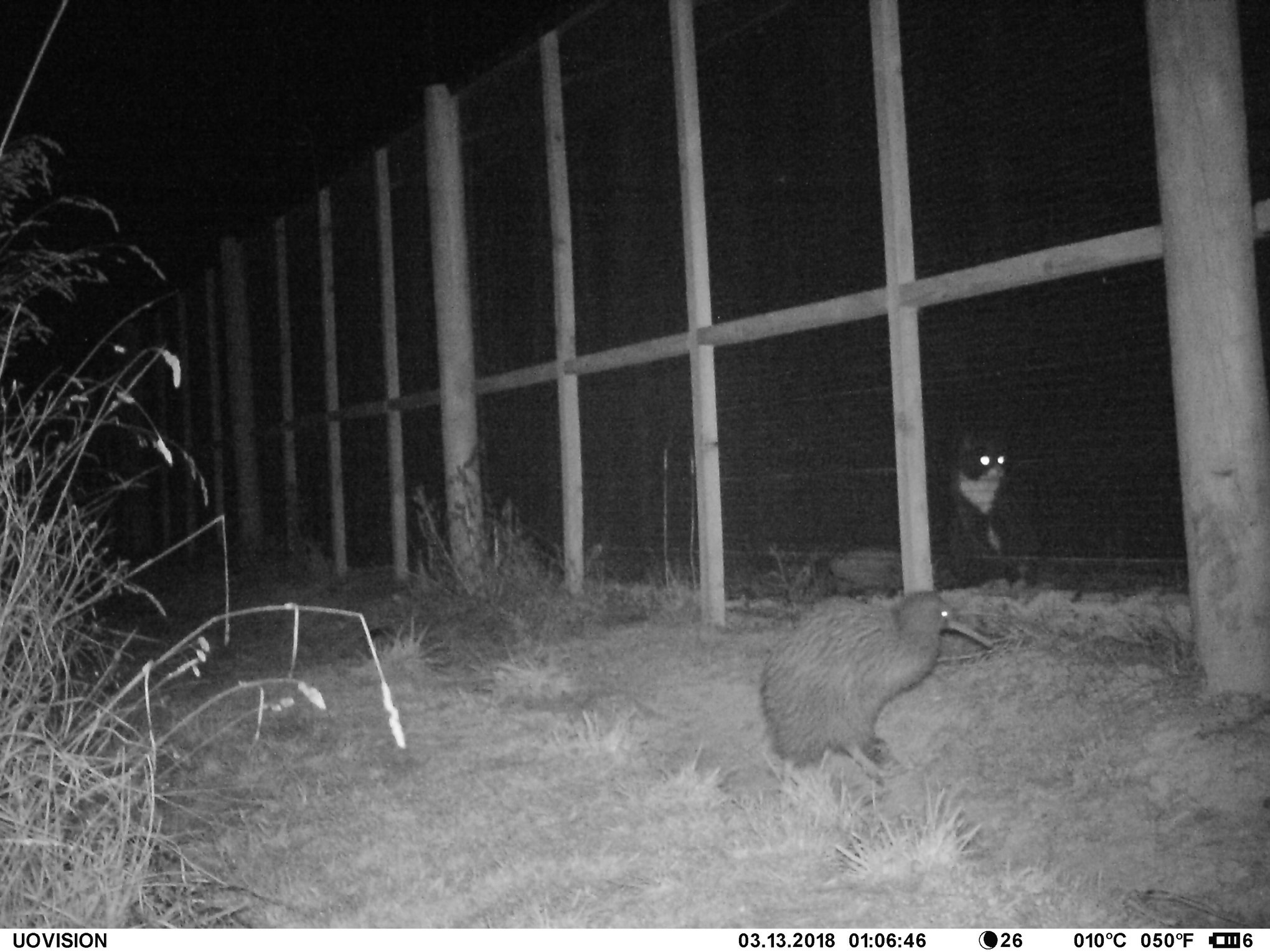
    To measure PAPP’s effectiveness, a two-phase trial was conducted by researchers Murphy, Shapiro, Hix, MacMorran, and Eason. The first trial was undertaken at two sites in North Canterbury. The second trial was undertaken on the central plateau in the North Island. Cats were trapped in Havahart live capture traps and were radio-collared to monitor their activities. Submarine bait stations, which are designed to target cats only, were stationed in the field. Three infrared monitoring cameras were also placed to monitor cats’ activities in the field area.

    And the hunt begins… (Image by- Pinke, Flickr user)

    The cats were first pre-fed so that they got used to the bait. Toxic baiting was then carried out by placing meat baits (minced beef and minced rabbit) containing 80 mg of PAPP at bait stations. The birds were eagerly waiting for the results of the trials. “Patience is a virtue” is an old saying in the reptile family.

    Five out of eight radio-collared cats and six other cats were poisoned found dead at the site. That was a huge success for the team, as the trial results showed the efficiency of PAPP. Another result from the North Island was just as promising. 13 cats out of sixteen radio-collared were found dead, and there were three more without the radio collar. So, a total of 27 cats from both islands were found dead. The remaining radio-collared cats appear to have left the area before the poison-baiting trial started.

    The result was great news for the bird and reptile world. Some of the birds were still suspicious about PAPP’s effectiveness. The matter was solved when the researchers showed the results of an earlier cage trial in which 18 out of 20 cats died and suggested that PAPP is an effective new tool for feral cat control in the field. During this trial, the cats who partly ate the bait also died, which shows PAPP’s overall effectiveness.

    Another question raised by an old Canterbury gecko was "what about the susceptibility of birds and reptiles to PAPP?". As in Australia, studies suggested that bandicoots (small marsupial mammals) and varanid lizards were highly susceptible to PAPP. It was a matter of great concern for both researchers and the native animal world. But it was also resolved as there was no evidence that some non-target species were also eating PAPP in the NZ trials, as the submarine bait stations used in the trials helped ensure targeted delivery.
    cute but alert… (Image by- patrickkanavagh, Flickr user)

    The researchers concluded their findings by addressing the non-target delivery of PAPP by developing efficient delivery systems, like bait stations, tunnel systems, or specific bait presentations that exploit the cats’ foraging behaviour. They also found that PAPP is the most humane way to kill feral cats among all the toxins found on the market as cats died within one to two hours. It acts fast and is less aversive.

    It was a sigh of relief for birds and reptiles because they had found a saviour. PAPP is a great solution to eradicating feral cats more efficiently. It is a true silent killer and a good alternative to sodium monofluoroacetate 1080 (another toxin used for poisoning). 1080 also affects non-target species, when delivered aerially, whereas no such effects were seen in the case of PAPP when delivered through submarine bait station for targeted delivery. So, PAPP isn’t just a funny name, it’s a glimmer of hope for New Zealand’s wildlife, and a demon-slayer!

    This article was prepared by postgraduate student Sikander Nagal as part of the ECOL 608 Research Methods in Ecology course in his Postgraduate Diploma in Applied Science degree.

    Original Article- Control and eradication of feral cats: field trials of a new toxin

    Share this:

  • Why don’t restored streams bounce back?

    In New Zealand, many would agree that fresh water is one of our most loved natural resources. We drink it, we swim in it, we use it to farm and to make a living, we even use it to generate our power! Unfortunately, especially in Canterbury after some major earthquakes, many of our streams and rivers are struggling. They look something like this:

    Kowhai River, Kaikōura. From Environment Canterbury, ND.

    In stream restoration, we want to return the features of a stream back to their original state, before things like urban development or introduced species affected the quality. This includes adding native plants, allowing fish to make their way out to sea or further upstream, and making sure farm animals can’t walk straight into the stream. All of these things and more can help us to make healthier waterways.

    It does not always go to plan, with some hardy introduced species putting a spanner in the works and refusing to co-operate with careful scientific methods. Imagine a beautiful stream that’s been through tough times—pollution, habitat destruction, earthquakes you name it. People step in – scientists, council members, developers, maybe the general public, and they work hard to restore it, but here’s the kicker: sometimes, things just don’t bounce back like they should. Why? That’s exactly what a recent study by Issie Barrett and her team set out to uncover.

    To understand why streams struggle to recover even after the most thorough restoration efforts, we need to understand a few key factors.

    1. Species Interactions: In a healthy stream, different plants and animals interact in specific ways, such as some animals eating others or different plants competing for space. When a stream is damaged and then restored, these interactions might not work the same way anymore. This can make it harder for the original species to come back and thrive.

    A particular species of snail, the New Zealand mud snail (P. antipodarum) is particularly good at living in these degraded streams, they thrive under pressure and limited food sources. These snails are perfect species to take over a degraded environment and reduce the recovery ability! So even when original species are introduced, such as the mayfly, the same food source now has double the competition, meaning a negative reaction – that habitat can’t provide that much food even in a restored state.

    New Zealand mud snail Potamopyrgus antipodarum. Photo Credit Michal Maňas 2014

    2. Negative Resistance: This is a big concept, which in essence means that even when the physical conditions of a stream improve (like cleaning up pollution or adding new habitats), the plants and animals in the stream don’t always come back as quickly or fully as hoped.

    During the stream’s degradation years, new species like the mud snails might move in – kind of like uninvited guests crashing a party. Even after things are cleaned up, these newbies can stick around and hog resources, making it harder for the original gang to make a comeback. This is what they call “negative resistance.” This can happen because the habitat is too degraded for the ideal species to thrive even if they did before.

    3. Resilience Mechanisms: This means the ability of a system to absorb and adapt to change, ultimately returning to the restored ideal. This is where our negative resistance comes into play. If the species or the system is already not functioning as it should, we are going to have a hard time creating a resilient system that can adapt to a changing environment and overcome any future issues.

    For example, a high level of nitrogen could change the make-up of the riverbed so drastically that a species sensitive to nitrates may never repopulate that system. Understanding the relationship between negative resistance and resilience is important for predicting and enhancing any successful restoration efforts.

    What can we do?

    Look at the Big Picture: When restoring a stream, it’s not just about fixing what we can see. We need to think about how all the different plants and animals interact with each other. This includes what nutrients are in the water and what microscopic invertebrates might be living in that water.

    Keep Checking In: It’s important to keep watching restored streams over time to make sure they’re getting better and to fix any problems that come up. If we don’t see an improvement in 5 or 10 years, there must be something else we can do.

    Be Flexible: Sometimes, we might need to change our restoration plans based on what we learn from watching how the stream responds. As scientists we have to be okay with admitting our first idea didn’t work, and then be willing to help come up with a better solution for the future.

    Vegetated drain in Canterbury with optimum riparian planting. Photo credit Jon Sullivan, ND.

    Why it matters

    Overall, there are some pretty complex systems that are at play in stream restoration projects. It is not as simple as putting in some better plants and some bigger, cooler rocks and hoping it will all work out in 10 years. By paying attention to how plants, animals, and the environment all work together, perhaps we can work towards a deeper understanding of the best ways to help our New Zealand streams thrive for many more generations to come.

    I think it would be pretty cool to keep swimming in our rivers and looking for fish in the summer, but next time you go to your local river, have a look and see what plants and other animals would really love to keep living there too.

    This article was prepared by Postgraduate Diploma in Environmental Management student Tayla Cross as part of the ECOL608 Research Methods in Ecology course.
  • Echoes of misunderstanding: Invasive species or welcome guests?

    In a new age of ‘fake news’, the exponentially growing ChatGPT, and being talked at by your climate change-denier uncle at the dinner table, how do we know who to trust? Well, the scientists obviously. But what happens when the scientists get it wrong?

    An article released in January of 2024 “Systematic and persistent bias against introduced species” by Patricio Pereyra and colleagues, ruthlessly called out conservation biologists for demonstrating a bias against introduced species. Researchers were accused of shedding a negative light on introduced species no matter their taxonomy, habitat, time of introduction, and regardless of their attributed harm.

    Photo: Amelia Geary / Design: Archi Banal

    Pereyra speculated that the invasion of zebra mussels in North America had a strong impact on the establishment of the bias. Most cases of negative framing in publications were from North America.

    A month later, a counterargument article, led by Dan Simberloff and including Phil Hulme from Lincoln University, was submitted to the same journal. This response tore Pereyra’s article to shreds. For example, there is so much more published material labelling invasive species as harmful simply because most research is driven by funding to deal with harmful species.

    The “guilty until proven innocent” was seen by Pereyra as a bias, whereas Simberloff argued that it was the safest approach. Better to prevent outbreaks first rather than assume innocence and scramble to clean up the mess later.

    The validity of Pereyra’s research methods was also called into question. In their assessment of 300 publications, Pereyra and colleagues based their assessments on only the introduction of each paper, the section where no current research is reported. Pereyra stated that no non-native species have caused any type of extinction, by citing a study that only assessed their impact on native plants. This would be news to those in New Zealand dealing with the impacts of introduced mammalian predators. In addition, all of the assessments made in this article were made by two authors, with a third brought in when those two disagreed.

    Photo: Author

    Pereyra and colleagues continued to selectively use evidence that matched their hypothesis by making continual reference to the ‘tens rule’. This states that only 1% of non-native species will become pests. As more research on more diverse taxa was undertaken, this rule became a misleadingly low estimate. In fact, it is estimated that 50% of invasive vertebrates lead to harm. So while modern conservationists are able to recognise that the tens rule is outdated, the average person reading at home will not.

    This is just a tiny example of a much larger problem science is facing right now; the power of a harmful narrative in science and its implications for the general public. The science world has been struggling for a while now with issues like P-hacking (selecting data analyses that produce results aligning with their hypothesis), fraudulent scientific papers making it to publication (fabricating research that has not taken place to boost career accolades and experience in industry), and like the mentioned article, lack of rigorous scientific procedure.

    False science can turn certain areas of science into a debate to be had by those who are not fully equipped enough to have it. By now I believe just about everyone in the Western World knows about the reports that vaccines cause autism, an idea that originated from two academic physicians in the 1950s.

    Image: outtacontext

    Over 70 years later there is a massive group of people who still believe this to be true, despite countless modern scientists disproving this idea. Not only do scientists have to conduct research to further the field, they now have to spend countless years using countless resources trying to prove to the public that the beliefs they are so desperately holding on to are, in fact, not accurate.

    While the article accusing scientists of holding a bias against non-native species may not have such a wide reach as the vaccine debacle, it does have the ability to change the minds of people. It can change the environmental beliefs they hold, the way they look at conservation, and the future research they conduct, as well as aligning with their personal beliefs outside the world of science. It creates issues that would otherwise not have arisen; spreading misinformation, fostering unwarranted skepticism, and contributing to the polarisation of environmental issues.

    For example, the Pereyra paper could cause shifts in perception, such as questioning established ecological principles, potentially undermining conservation efforts aimed at preserving native biodiversity. This can have a ripple effect, influencing policy decisions, funding allocations, and public support for important conservation initiatives. While openness and debate in the scientific community is important and should be encouraged, you simply have to get your facts right.

    So again I ask, what happens when even the scientists get it wrong? Actually, it happens all the time. Trial and error are the engine of science! Scientific theories are tested to be disproven to ensure we actually have a full understanding of whatever it is we are studying.

    People at home can also look to disprove scientific theories. Pay attention to the transparency of the method and study size, credibility of sources, and citations from reputable journals and research institutions. It may not save your life, but it will save you from a lifetime of ill-informed conversation around the dinner table. You don’t want to be that relative.

    This article was prepared by Master of International Nature Conservation student Alexandra Paish as part of the ECOL608 Research Methods in Ecology course.


  • Wild hunters: Unveiling the hidden leopards of northern Pakistan’s borderlands 

    Our adventure begins in the breathtaking north of Pakistan, where the majestic peaks of the Himalayas, and their foothills, stand as one of the last sanctuaries, a place where the sky meets the earth. Here, clouds drift over rough mountains and lush valleys, into dense forests. Glistening lakes and spectacular waterfalls shape this natural paradise.

    In this wilderness, the air echoes to the calls of rhesus monkeys, while wild boars wander through the underbrush. The Himalayan red fox prowls the mountains, on the hunt for colourful pheasants, a tale as old as time. 

    But the fox is not the only hungry predator in these forests. A top predator, larger and stronger, with a powerful bite and covered in unique dots, reigns in the mountainous range. The majestic leopard (Panthera pardus), a mysterious and shy creature, expert at camouflage, is prowling these forests.

    Leopards are amongst the most iconic big cats. Just like other big cats, leopards are endangered. Human activity and landscape alteration pose significant threats to their survival. When leopards and humans cross paths, conflicts arise, turning this top predator from hunter to hunted

    Panthera pardus fusca is described as larger subspecies, with brighter
    coloration and smaller rosettes (Bellani, 2019).

    Photo Credit: CC BY 2.0 DEED, taken by Rupal Vaidya in October 2016

    Leopards are generally cryptic and shy, much remains unknown about these ferocious hunters. 

    Muhammad Asad, a PhD student at Lincoln University, started his dangerous journey to this wild region in the north of Pakistan. The dangers of the landscape were not limited to wildlife; humans also posed a significant risk in this troubled region. Undeterred, Asad was ready for the challenge that lay ahead. 

    Leopards are amongst the world’s most widespread carnivores, ranging from Africa to Asia. Prowling over such a vast distribution has led to the recognition of several subspecies, most of which are endangered. The forests in the north of Pakistan are known to be home to leopards, but their subspecies status has not been assessed.  

    Contrary to the legend of water-shy cats, leopards are excellent swimmers. Still, the mighty Indus River was believed to act as a barrier between populations, maybe even keeping subspecies apart.

    To unravel this mystery, Asad and his team collected and analysed tissue samples from leopards. Modern techniques have created a genetic tool as powerful as its name: mitochondrial DNA (mtDNA). Mitochondria, the powerhouses of our cells, have long been known for their role in providing power for our cells. These powerhouses also carry their own DNA, passed down maternally, making mtDNA incredible useful for studying population dynamics and subspecies differentiation.

    A key protein encoded on the mtDNA, NADH 5, is essential for energy production and is highly variable among big cats, making it an excellent candidate gene for subspecies identification.

    Through their research, Asad and his team found two distinct subspecies of leopard in the north of Pakistan, P. p. saxicolor and P. p. fusca, both belonging to the Asian group of leopards.   

    Panthera pardus saxicolor is commonly a bigger subspecies and is often
    more pale coloration, with bigger rosettes (Kiabi et al., 2002).

    Photo Credit: CC BY 2.0 DEED, taken by Guido Konrad in July 2021

    These findings mark the first subspecies identification in this region and hold significant implications for conservation efforts. The coexistence of both subspecies in the same region suggests an interesting natural corridor that connects leopard habitats, offering hope for their conservation in the face of habitat fragmentation.

    At the same time, discovering two subspecies living in the same area opens up the possibility of them interbreeding. This can create some challenges for conservation. We might wonder: could one or both of these subspecies disappear over time? Or will they blend together and create a new subspecies? Hybridisation is very unpredictable, which is why it’s important to work on conserving both subspecies. They each have unique evolutionary histories, which are the product of thousands of years of adaptation and survival, and could potentially be lost due to this phenomenon called hybridisation.

    These findings not only help leopard conservation in the paradise of the Himalayan belt in the north of Pakistan, but also contribute to global conservation efforts to protect this amazing species. By identifying subspecies and unveiling their genetic patterns, we can better protect them. It is important to protect both subspecies, which helps protect the overall species Panthera pardus.

    This article was prepared by Master of International Nature Conservation student Eric Tscherbatko as part of the ECOL608 Research Methods in Ecology course.

    Thank you to all scientist who contributed to these amazing results, namely Muhammad Asad, Francesco Martoni, James G. Ross, Muhammad Waseem, Fakhar I- Abbas and Adrian M. Paterson for your important work!

    Asad M, Martoni F, Ross JG, Waseem M, Abbas F, Paterson AM. 2019. Assessing subspecies status of leopards (Panthera pardus) of northern Pakistan using mitochondrial DNA. PeerJ 7:e7243 https://doi.org/10.7717/peerj.7243

  • Microbes matter in breaking down nitrogen in dairy pastures

    Our eyes are captivated by the breathtaking diversity of the living world, where billions of plants and animals enchant us with their variety and richness, thriving above ground or in water. But we often overlook the organisms beneath our feet, in the hidden world of soil, where an equally mesmerizing realm teems with life.

    E. R. Ingham: “Just one spoonful of soil can be home to millions of microbes“- the astonishing dynamic of these tiny, unseen organisms would blow our minds, if we only knew their story.

    I am fascinated by the biodiversity of the massive underground community. Countless small living things, such as microbes, insects, and earthworms, are tirelessly at work, busily breaking down organic matter and waste like leaf litter, faeces, and other dead organisms.

    Soil sample under the microscope, Image credit: © William Edge
    from Dreamstime.com CC BY-NC 2.0

    These organisms play fundamental roles in decomposition and also contribute to unlocking essential nutrients, like nitrogen and phosphorus, making these nutrients more available to plants. However, some microbial species can degrade useful substances, primarily affecting the cropping system and leading to lower crop yields in agriculture.

    In New Zealand, our grazing pastures face a significant challenge of soil microbes depleting essential nitrogen (N) in the soil. The NZ dairy industry has a substantial economic impact. A report by Sense Partners highlights that DairyNZ accounted for a quarter of New Zealand’s total export earnings (26 million) in 2023, making it a crucial contributor to national prosperity. For dairy farmers, “grass is green gold” because high-quality pasture is the key to their success, supporting healthy and productive livestock.

    Nitrogen boosts pasture supply, especially when N fertilizer is applied in mid to late spring. In most regions, this application results in an optimal and reliable grass response of around 10 to 15 kg DM/kg N. Why the need to apply synthetic fertiliser when nitrogen is abundant in the atmosphere, which contains 78% nitrogen. The catch is that atmospheric nitrogen is not directly available to most plants (except for legumes) due to its highly stable form (N2).

    Given the necessity of nitrogen fertilisers in grazing pasture systems, a go-to choice is urea. It’s most cost-effective and the most widely applied nitrogen fertiliser in NZ dairy pastures. The scale of its usage is staggering, with over 400,000 tonnes of urea being used annually in dairy farm systems since 2013.

    Two Cows by Martin Gommel | Flickr | CC BY-NC 2.0

    There is a downside. Ammonia-oxidizing soil microbes release an enzyme called urease that can break down over 80-90% of urea fertiliser when soil moisture is high. This leads to significant economic losses for farmers and contributes to environmental pollution through nitrate leaching.

    Note: Urea is the substance of solid nitrogen fertilizer, while urease is an enzyme found in plant tissues, fungi, bacteria, and some invertebrates, but not in animals.

    Dr. Hossein Alizadeh, a senior researcher in the Department of Agricultural Sciences at Lincoln University, leads a team focused on addressing the problem of nitrogen loss in soil. They have identified key culprits of rapid nitrogen loss in the soil – urease-producing microbes.

    By understanding these microbes better, the team can develop solutions to enhance the uptake of nitrogen nutrients by pastures and reduce greenhouse gas emissions. This is crucial because nitrogen from livestock urine and agricultural fertilisers converts to nitrous oxide (N2O), contributing to about one-sixth of New Zealand’s CO2 equivalent greenhouse gas emissions.

    To detect the nationwide urea degradation levels in dairy farm pastures, Dr. Alizadeh and his research team collected soil samples from various regions, including Auckland, Canterbury, Manawatu, Marlborough, Nelson, Otago, Taranaki, Waikato, Wairarapa, and the West Coast. The sampled pastures primarily consisted of ryegrass (Lolium perenne L.) and white clover (Trifolium repens L.). Some grazing lands were relatively young, only nine months old, while others had 60 years of usage.

    To determine whether urease-producing microbes are present in different soil samples, researchers measured ammonium production. Urease breaks down urea and nitrogen in the soil converts to ammonia gas (NH3) and nitrate (NO3-) leaching. In the lab, if the urease producer actively breaks down urea and releases ammonia, the Petri dish with cultured microbes will show a pink colour (see Figure below). Additionally, to identify microbial bacteria and fungi, they applied the PCR (polymerase chain reaction) technique, morphological identification methods.

    Urease detection medium for isolation of soil urease producing microorganisms (left) and a purified urease (right). Own work CC BY-NC 2.0

    Hossein found some novel microbial species, such as Pochonia bulbillosa, Mariannaea elegans, and Gliomastixsp., which were reported for the first time for their urease production. The study also revealed variations in urease activity among the isolates and a diverse microbial community composition across different locations. For instance, in Nelson, bacteria were the dominant urease producers in the soil, while in Oxford, it was fungi, marking a significant discovery in soil microbiology.

    The groundbreaking research by Dr. Hossein and his team on identifying urease-producing microbes not only provides fundamental knowledge but also opens up possibilities for practical applications. The findings suggest the potential of manipulating these microbial populations in soil to reduce urease activity, a concept that is being further explored in the N-Bio Boost program led by Professor John Hampton of Seed Technology at Lincoln University. This project, funded by the New Zealand government and the fertilizer co-op Ravensdown, aims to harness a naturally occurring fungal species in the soil to enhance the nitrogen efficiency of plants, promising both environmental and economic benefits for New Zealand.

    So next time you are walking on pasture, pause and appreciate the busy world that is found under your feet!

    This article was prepared by Master of Pest Management postgraduate student Danyu Li as part of the ECOL608 Research Methods in Ecology course.

    Alizadeh, H., Kandula, D. R. W., Hampton, J. G., Stewart, A., Leung, D. W. M., Edwards, Y., & Smith, C. (2017). Urease producing microorganisms under dairy pasture management in soils across New Zealand. Geoderma Regional, 11, 78–85. https://doi.org/10.1016/j.geodrs.2017.10.003

  • Sonic science to eradicate the hedgehog

    Helpful gardeners or destructive beasts? Hedgehogs could be the last thing standing in the way of restoring native wildlife.

    Most New Zealanders are aware of the current predator problem, with possums, rats and stoats taking the cake for the biggest pains, but what about cute little hedgehogs? Are they really as innocent as they look or are they discretely unravelling the very fabric of our treasured native wilderness? Some scientists went on a hedgehog hunt to find out.

    Now imagine the magnificent Ōtamahua: an 80 hectare island smack in the middle of the flooded volcanic crater of Lyttleton Harbour, completely uninhabited by people, but instead populated by some weird mini chickens with fancy hairdos. Back in the day, European explorers hadn’t decimated local wildlife populations yet, and the island was teeming with now extinct koreke New Zealand quails, inspiring them to call this place Quail Island.

    Quail Island is a recreation reserve run by the Department of Conservation (DOC) and is being restored to a natural landscape after being formerly farmed. In this programme, the Quail Island Trust and DOC teamed up with a plan to eradicate all exotic pest mammals from the island. Scientists were ready to restore the island to its original splendour by bringing back native insects, lizards and birds, but one thing could be standing in the way of this; the island is dominated by European hedgehogs, and they’re not going down without a fight.

    Photo by Flickr user nutmeg66 CC BY-NC-ND 2.0

    So what’s the deal with hedgehogs? Everyone seems on board with killing every invasive pest mammal out there like it’s a glorified action movie. Oddly, people tend to feel very differently about these freaky little spike balls. Unlike other mammals that were introduced in New Zealand, people love them. This is because they can be seen helping around the garden, happily munching on slugs and snails, which are considered pests. But it’s difficult to understand exactly how these slug-munchers are impacting native wildlife, all we know is that we have gravely underestimated them.

    What else is on the dinner menu for these hedgehogs? Aside from the snails and slugs in your garden, they enjoy eating native beetles of all sizes, with a side of millipedes, and then moth larvae and earthworms for dessert. Some have even developed a taste for weta. Hedgehogs also snack on lizards and the eggs and chicks of ground-nesting birds. The hedgehogs are hungry and this is a bad situation for these vulnerable species.

    In the distant future, the year 2000, researchers from Lincoln University decided to go to war with the hedgehogs. They did so using their most powerful weapon of all: science and the pursuit of knowledge. They tested their techniques on local hedgehogs before heading into battle on Ōtamahua Quail island. The scientists discovered that they could entice the hedgehogs with a feast of their favourite foods. They tested baits like “kitekat chunky fish cat food” and quail eggs.

    (It is worth noting that while the original quail island quails went extinct, they were replaced by introduced California quails, which is convenient because the island didn’t have to renamed.)

    Once the scientists got to Quail Island and came face to face with these adorable monsters, they realized that unlike other invasive mammals, hedgehogs were pretty chilled out. They didn’t mind being caught and released again, which meant that it would be possible to remove them from the island without bloodshed. At this point, the animal rights activists may be cheering and the conservationists may be booing. Not killing them means putting them somewhere else. Instead of removing the problem, we are just relocating it.

    Photo of Ōtamahua Quail Island by Jon Sullivan CC BY-NC 2.0

    So the Lincoln researchers got to work running around the island, setting up 53 hedgehog traps. Since there was actually no such thing as a hedgehog trap at this point, they used their smart brains and decided to use traps for other pests which were known to catch hedgehogs by accident. The systematic trials led the scientists to the conclusion that one of the most effective baits for catching hedgehogs was something called “Chunks of Tasti Dinner Dog Roll”. You just can’t make this stuff up. Cat food and peanut butter were similarly popular among hedgehog audiences but surprisingly, quail eggs were not!

    Here’s the bad news: hedgehogs had made themselves at home across every kind of habitat on the island. Also, the number of hedgehogs being caught each night didn’t decrease over the course of the 11-day study, leading the scientists to conclude that there were far more hedgehogs on the island than they had previously thought.

    The baited traps were placed across all habitat types on the islands, but had much less success around pine and macrocarpa forests. The traps had the most success in catching hedgehogs in grassy and scrubby areas. Could this be the hedgehog headquarters?

    This research provided some important insights into the possibilities of eradicating hedgehogs. They figured out which food is preferred and which types of cages work best. They found that the hedgehogs didn’t hang out in pine and macrocarpa forests as much because there weren’t as many insect snacks for them in there.

    Quail Island in the centre. Image from Adrian Paterson.

    This study found that live trapping hedgehogs is possible but it is inefficient. The project took 75 hours of work and only managed to remove 24 hedgehogs, that’s 3 hours per hedgehog! The scientists suggested switching to lethal traps because these Houdinis are clever masterminds and they could be escaping from the live traps.

    Are there other options? Some have suggested recruiting the help of our best friends, dogs. On another island, dogs were used to find and kill possums. Hedgehogs are smelly and hunting dogs can find them easily without even being trained. The only caveat is that dogs do have to be trained to ignore other species, especially native birds like the precious little white-flippered penguin, another resident of Quail Island.

    On the mainland of Aotearoa New Zealand, hedgehogs were found in densities of 5 hedgehogs per 1 hectare of land (which is the size of 2 rugby fields). This is probably not the case on Quail Island because it is so dry, but nonetheless it will take a lot of effort to remove these destructive little creatures.

    This is one case study for the eradication of hedgehogs. While the current focus is on eradicating other predator species, may this serve as a warning that we can’t forget about the humble hedgehog when we talk about predator control.

    This article was prepared by Master of International Nature Conservation student Lindsay Wood as part of the ECOL608 Research Methods in Ecology course.
    Research Article Source: Kavermann, M., Bowie, Michael H., Paterson, Adrian M. (2003) The eradication of mammalian predators from Quail Island, Banks Peninsula, Canterbury, New Zealand. Lincoln University Wildlife Management Report series. https://hdl.handle.net/10182/683

  • Wine is changing with the times

    For thousands of years, humans have been indulging in the pleasures of alcohol. It is one of the few pastimes that run throughout the history of civilisation. But what did wine taste like without the modern technologies we have today? In the modern day world, wine may be described as somewhat spicy, smelling of roasted walnuts, apples, toasted bread, and curry, with a very dry and sappy mouth feeling.

    Figure 1. A glass of NZ red wine (Photo by Evan Wood)

    Romans would often add herbs, spices, honey, or saltwater before drinking the wine, to experiment with flavour and medicinal properties. As humans became more advanced in the production, storage, and fermentation of grapes, we created more delicate wines with sophisticated flavour profiles, aromas, and textures.

    In the modern world of wine, terroir reigns supreme. This French term encapsulates the unique combination of soil, climate, and topography that imparts distinct characteristics to wine. These terroir factors affect many viticultural practices, such as fruit ripeness, maturation, and harvest dates, which have a direct impact on the quality of wine.

    While much attention is given to the climate and grapes themselves, an equally critical yet often overlooked aspect of winemaking, is the role of microbial communities. Fermentation is at the heart of winemaking, where grape juice transforms into wine through the action of yeasts and lactic acid bacteria. These microorganisms are present within the grape must, the natural, freshly pressed grape juice.

    Figure 2. Landscape of a vineyard located in Marlborough, New Zealand (Photo by Bernard Spragg)

    The yeasts break down sugars to ethanol (alcoholic fermentation), which encourages lactic acid bacteria growth. These bacteria then begin the malolactic fermentation process, where they convert malic acid to lactic acid. Not only do these microorganisms liberate the aromas and flavour profile of the grapes, but they are the tiny soldiers that help give you a little, or large, buzz. So next time you drink a glass of wine or alcoholic beverage, give a toast to these yeasts and bacteria.

    Many winemakers choose to select conventional, commercial strains of microbes for fermentation to ensure gold-standard wine, rather than risk the potential of rotten grape juice. Others opt for spontaneous fermentation, which relies on naturally occurring microorganisms on the skin of grapes or in the environment (air or soil). In such vineyards that use spontaneous fermentation, the diversity, abundance, and role of these microbes are crucial in the development and quality of the wine.

    Figure 3. A barrel of grape must + microbes (Photo by benmacaskill)

    As climate change reshapes our environment, its impact on these microscopic winemakers becomes a fascinating field of study. Dr Aghogho Ohwofasa’s work explores the variation of microbial populations between different vintage years on the same block of a vineyard that consistently uses an organic approach.

    Between vintage years and geographical regions, the climate, such as average temperature, relative humidity, and rainfall that a vineyard receives varies. Climatic variation influences the vintage effect, which is used to describe the variation in yield, quality, and typicality of both grapes and wine from year to year.

    The purpose of Aghogho’s study was to figure out which climatic factors varied between the 2018 vintage and 2021 vintage and how that variation influenced the bacterial and fungal communities present. The first step was to select two areas of the vineyard for each vintage that had the same shared location and would experience the same weather.

    Figure 4. Vineyard near Waipara, North Canterbury (Photo by Vjpaul)

    Next, the microbial communities were compared between each vintage year. Samples were taken from the grape juice at four important fermentation time points. These were the start of fermentation, two times during the process of fermentation, and the end of fermentation. The detection of the yeasts and bacteria in the samples was achieved through metabarcoding, which is able to detect and sequence the DNA of all the organisms present in the sample.

    The results from Aghogho’s study indicated that the diversity and abundance of bacterial and fungal communities varied between the 2018 and 2021 vintage years. The bacterial community and composition of the 2018 vintage had 56 genera (groups of species) that were uniquely present in that particular year and showcased much greater diversity when compared to the 2021 vintage, with only 17 genera.

    In spontaneous wine fermentation, Saccharomyces yeast species typically predominate due to their specific adaptive traits, which give them competitive advantages over other yeast species. The graph below in Figure 6 shows that Saccharomyces yeasts made up 53% and 46% of the yeast species in 2018 and 2021 respectively.

    Figure 5. Relative abundance of bacterial communities between 2018 and 2021 vintage (Data from Aghogho Ohwofasa)

    Other dominant yeast species included Auerobasidium, Hanseniaspora, Stramerella, and Metschnikowia. Despite the dominance of Saccharomyces within the 2018 and 2020 vintage, there was variation between other yeast species, namely Stramerella (2018 vintage) and Metschnikowia (2021 vintage).

    Inevitably each year, a batch of grapes will have a unique profile of microorganisms that influence the development of the wine. But since different yeasts unlock different aromas, what risks may vineyards be facing due to these changing populations?

    The dominant lactic acid bacteria involved in winemaking include the Lactobacillus, Pediococcus, Leuconostoc, and Oenococcus genera. The activity of these bacteria can modify the wines appearance, flavour, aroma, and texture, as well as reduce its acidity.

    Figure 6. Relative abundance of yeast communities between 2018 and 2021 vintage (Data from Aghogho Ohwofasa)

    Most of the bacteria present in Aghogho’s study are common and expected throughout the wine regions of the world. They have also been extensively studied, and their contribution to the winemaking process well-known.

    The Tatumella genera, which was overly abundant (61%) within the 2021 vintage but had less than 2% abundance in the 2018 vintage, is much less studied. So how might this organism be affecting the quality of wine between these two seasons? This is a question that we simply don’t know the answer to.

    Dr Aghogho Ohwofasa and colleagues’ work highlights that climatic variables, such as temperature, rainfall, and relative humidity, influence the bacterial differences that occurred between the 2018 and 2021 vintage. Rainfall and humidity were key variables driving the populations of bacterial and fungal communities within the 2018 vintage, whilst maximum temperature had a large influence in the 2021 vintage.

    Different species and strains of yeasts and bacteria can contribute to the sensory characteristics of wine, which may be beneficial or detrimental to the quality of wine. So, what does this mean for wine making worldwide?

    We don’t fully understand the extent to which these ‘wild’ microbes play a role in affecting the flavour profiles and aromas within our wines. Will climate change disturb the composition and abundance of these microscopic winemakers that will ultimately impact the taste of our wines? If so, how do we protect our wine from changing with the times?

    This article was prepared by Bachelor of Agricultural Science with Honours student Charlotte Tinsley as part of the ECOL608 Research Methods in Ecology course.

    Reference:

    Ohwofasa A, Dhami M, Zhang J, Tian B, Winefield C, et al. (2024) Influence of climatic variation on microbial communities during organic Pinot noir wine production. PLOS ONE 19(2): e0296859. https://doi.org/10.1371/journal.pone.0296859

  • Creeks spread invasive herbs in New Zealand

    Invasive plants can have a devastating impact on our natural environment.

    What are invasive plants? Put simply, they are non-native plants that spread rapidly within New Zealand and pose a significant threat to ecosystems, agricultural production, or human health. It sounds awful.It is even worse than it sounds.

    Lodgepole pine (Pinus contorta) CC BY by Chris Schnepf, University of Idaho, Bugwood.org

    Invasive plants pose a threat to natural ecosystems as they are often highly competitive compared to native plants. Invasive species also spread rapidly to take over the living space of native plants, alter ecosystem structures, and reduce biodiversity.

    Many exotic plants are invasive, such as lodgepole pine (Pinus contorta) and Scotch thistle (Cirsium vulgare). Invasive plants change the composition of plant communities and affect food webs and ecosystem balance. For example, the introduction of eucalyptus alters soil chemistry and moisture content, affecting the survival of other plants and animals (Mengistu, 2022).

    Invasive plants also impact agriculture and grazing and can cause massive economic damage. Scotch thistle (Cirsium vulgare) can quickly spread and take over farmland, reducing crop yields. Unpalatable invasive plants can compete with pasture grasses, reducing the area of grassland available for grazing and affecting livestock husbandry (Massey Universy).

    Scotch thistle (Cirsium vulgare) CC BY by John Barkla,  

    Some exotic plants are harmful to human healthy, like Giant Hogweed (Heracleum mantegazzianum),  which can cause third-degree burns and even blindness by simply touching it!

    Knowing how invasive plants spread can help us to control them effectively. A study conducted at Lincoln University in 2013 focused on whether creek habitats are a source of spread for these invasive plants.

    Researchers from Lincoln University (Alice Miller and colleagues) studied Hieracium lepidulum (Asteraceae), an invasive herbaceous plant that has proliferated in the South Island in recent decades. It now occurs in a wide range of upland habitats, from improved short tussock grasslands, to intact beech forests, to alpine herbaceous fields. Hieracium is a more shade-tolerant relative of the widespread pasture hawkeed.

    Historical data suggests that Hieracium is common in naturally disturbed habitats, such as stream edges and forest canopy gaps. Alice selected creek catchments in the area with the longest known history of  H. lepidulum invasion in New Zealand:  Craigieburn Forest Park on the eastern side of the Southern Alps, Canterbury, New Zealand. She surveyed 1,144 spots along 17 creek catchments.

    Giant Hogweed (Heracleum mantegazzianum). CBS News

    Alice and colleagues found that creek habitats (e.g., stream edges and disturbed areas) play an important source role in the dispersal of H. lepidulum. These areas tend to be subject to more natural and human-caused disturbances, which provide a suitable growing environment for  H. lepidulum, and contribute to its rapid reproduction and accumulation in these areas.

    The high resource availability and frequency of disturbance at stream edges allow H. lepidulum to colonise and spread rapidly. Disturbed areas, such as forest clearings and trail edges, provide similarly favourable conditions. Stream habitats provide connected linear dispersal paths that allow H. lepidulum to spread rapidly along streams and from there into neighbouring areas.

    The dispersal patterns of H. lepidulum in forests and subalpine areas were found to differ. In forests, the dense canopy and ground vegetation form a natural barrier to the spread of this plant. As a result, the density of H. lepidulum in forests decreases rapidly with increasing distance from creeks, except in areas with higher light availability, such as tree-fall gaps.

    Forested areas near creek edges remain vulnerable to invasion. In contrast, in subalpine habitats, H. lepidulum density declined more gently with increasing distance from creeks. This suggests that these areas are less restricted to seed dispersal corridors and more susceptible to invasion.

    Location of study area with the 17 surveyed creeks in bold and indicated by an asterisk. From Google Map

    The study also found that multiple environmental variables had an effect on H. lepidulum abundance, with dense canopy cover reducing light and inhibiting its growth. Areas closer to stream mouths were usually more frequently disturbed and H. lepidulum abundance was relatively higher. Higher elevation areas pose a challenge to H. lepidulum growth due to harsher climatic conditions, but the invasion is still significant in subalpine areas. Disturbances, such as human activities, increase the chances of reproduction and dispersal of H. lepidulum.

    Alice provided several recommendations for managing and conserving areas affected by H. lepidulum. First, she suggested prioritising efforts to limit the spread of this invasive plant by reducing disturbances in the environment and using biological control methods. Second, she recommended setting up monitoring systems in vulnerable subalpine habitats to detect and control H. lepidulum early and prevent it from forming large populations. Finally, while disturbances are natural in these ecosystems, it is important for managers to consider the additional impact of human activities, such as building roads and trails, which can exacerbate the invasion, especially in subalpine areas where the barriers to invasion are lower.

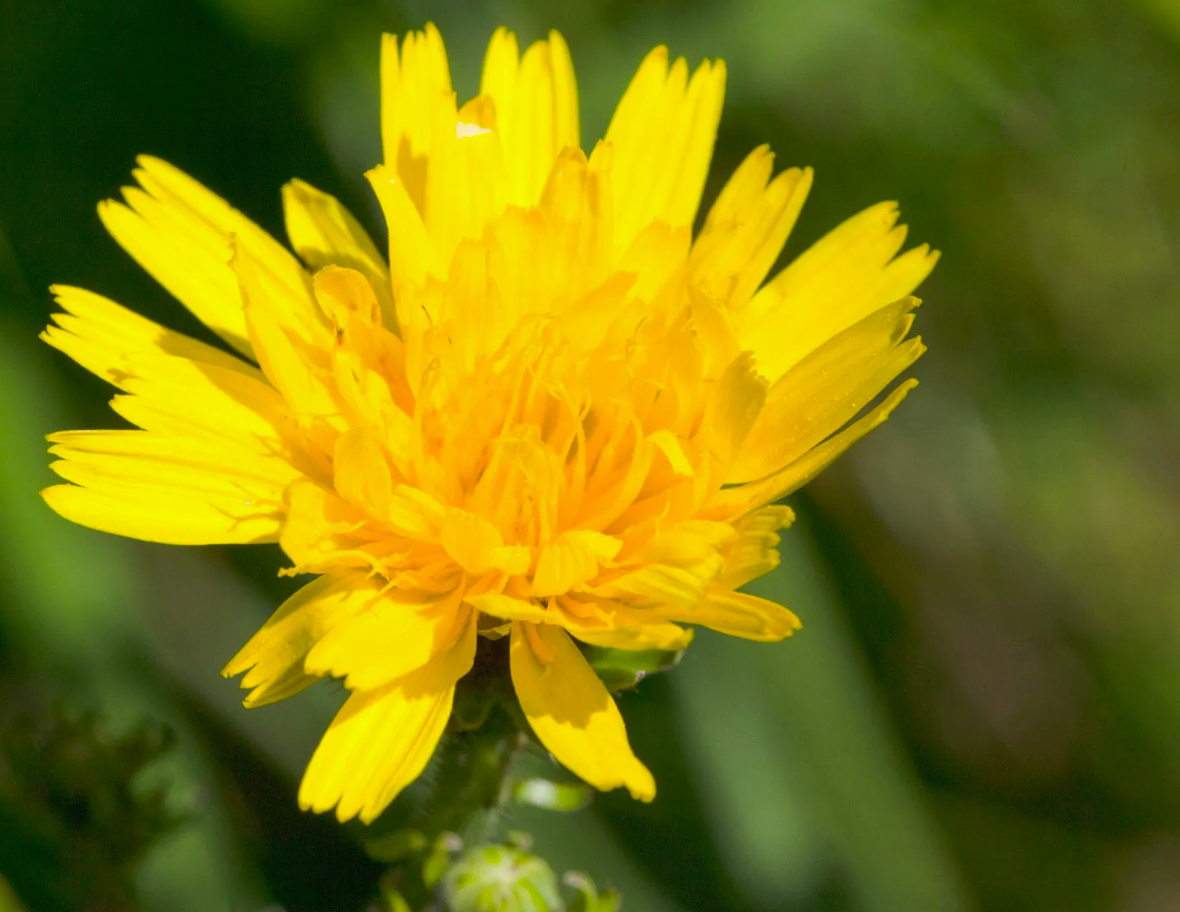
    Hieracium lepidulum Stenstr. (Asteraceae).CC BY by John Barkla

    Through this study, we have gained valuable insights into the dispersal patterns and environmental impacts of the invasive plant H. lepidulum. This hardy invader tends to thrive along creek margins and in disturbed areas, making these locations hotspots for its spread. It is our responsibility to protect these pristine landscapes from invasive species.

    If you’re hiking in New Zealand’s stunning mountains, keep an eye out for those little H. lepidulum spreading on the sly. Let’s be the guardians of nature and protect this pristine land from these “little invaders” that are taking over our ecosystem.We can help preserve the natural beauty and biodiversity of New Zealand’s ecosystems, ensuring that these “little invaders” do not take over and disrupt the delicate balance of our environment.

    This article was prepared by Master of Pest Management postgraduate student Hao Zhang as part of the ECOL608 Research Methods in Ecology course.

    References:

    Mengistu, B., Amayu, F., Bekele, W., & Dibaba, Z. (2022). Effects of Eucalyptus species plantations and crop land on selected soil properties. Geology, Ecology, and Landscapes, 6(4), 277-285. https://www.tandfonline.com/doi/full/10.1080/24749508.2020.1833627

    Miller, A. L., Wiser, S. K., Sullivan, J. J., & Duncan, R. P. (2015). Creek habitats as sources for the spread of an invasive herb in a New Zealand mountain landscape. New Zealand Journal of Ecology39(1), 71-78. https://www.jstor.org/stable/26198696

    massey.ac.nz/about/colleges-schools-and-institutes/college-of-sciences/our-research/themes-and-research-strengths/plant-science-research/new-zealand-weeds-database/scotch-thistle/

    https://www.cbsnews.com/news/giant-hogweed-plant-causes-blindness-third-degree-burns-discovered-in-virginia-other-states/

  • Fire-resisting superpowers in plants

    I don’t know what you like to eat at barbecues, but I like some nice roasted veggies! What I don’t fancy are burned broccoli or charred cauliflower. Who would want to eat that, right? Do you have an idea what causes huge amounts of burnt veggies each year? It’s wildfires!

    Seasoned vegetables,
    by polaristest (Flickr)

    With 8-11% of wildfires globally occurring on agricultural land you can imagine that these cause a lot of unenjoyable vegetables. Agricultural wildfires mostly derive from accidental ignition from machinery use or through the escape of fires initially deliberately lit for management purposes. Because 38% of land worldwide is used for grazing and cropping, there is a lot of potential for fire, which highlights the importance of reducing the fire risk to secure our major food sources.

    We don’t have to go far to realise the significance of this topic, as Canterbury accounts for around 20% of New Zealand’s total farmland, roughly 2,600,000 hectares of land. That is about the size of 3,700,000 rugby fields! Canterbury has a climate characterised by low precipitation and dry winds, good ingredients for an easily flammable outdoor barbecue.

    Local wildfires take away many people’s chance to roast their veggies themselves as well as causing a huge amount of economic and ecological loss. But what if we could use farmland for fire prevention? What if some crops actually had the superpower to fight against wildfires, or at least survive them?

    Canterbury NZ, by Simon (Flickr)

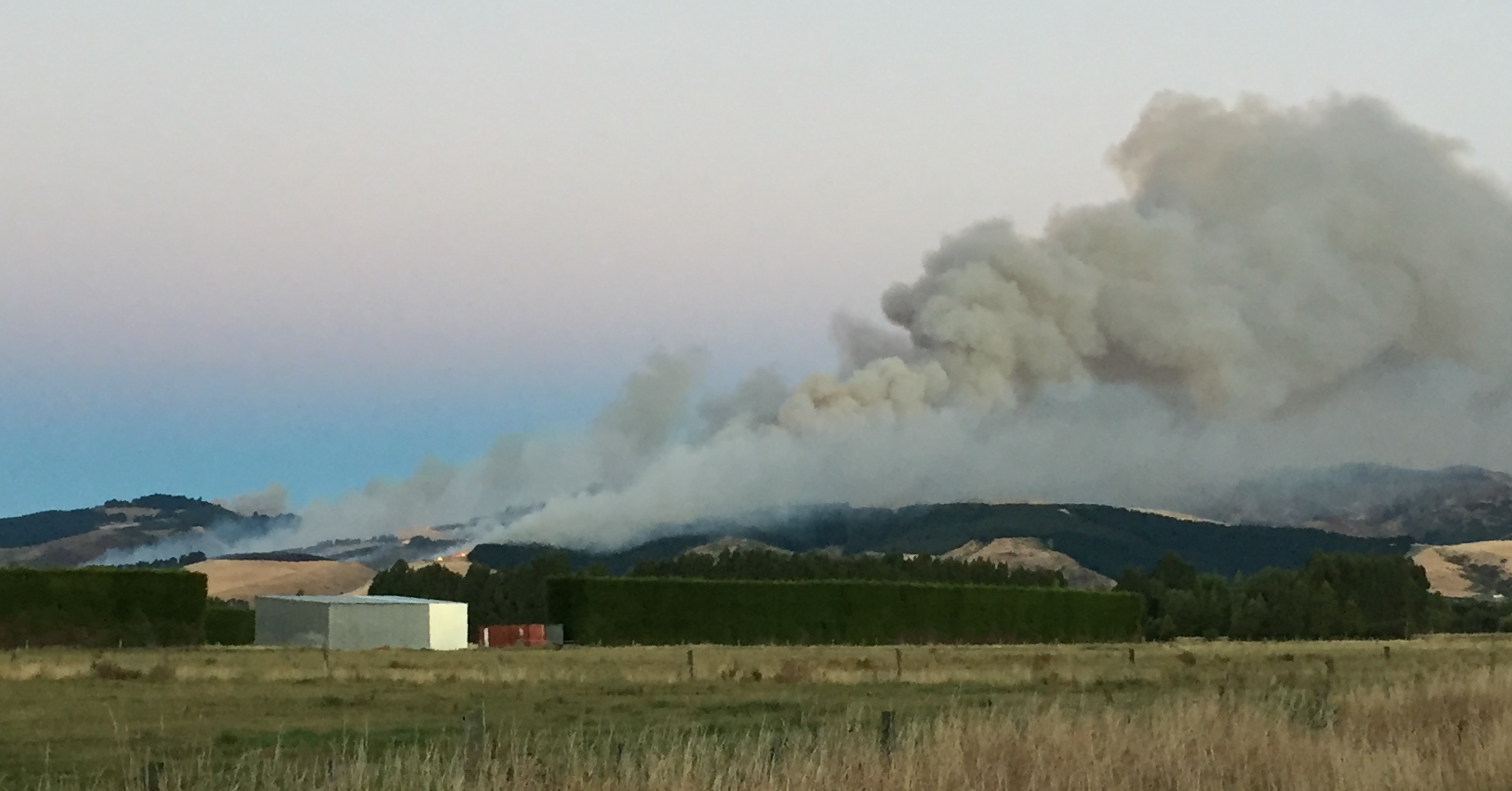
    There is a lot of information on how to plant mindfully, using low-flammability plants to create buffer zones that allow us to keep wildfires under control and stop them from spreading. Those ‘green fire breaks’ were tactically planted after the Port Hill fires in 2017 to prevent history from repeating itself. As green fire breaks can only help reduce the impact of wildfires to some extent, planting smart on farmland might add to the best practice, especially in fire-prone areas like Canterbury.

    That is exactly what was tested in a study by Lincoln University in 2023. Masters student Tanmayi Pagadala, with colleagues Azhar Alam, Tom Maxwell, and Tim Curran, tested 47 different agricultural plants for their flammability superpowers, following a simple recipe.

    Ingredients:
    – 47 different shoots and plants of the following groups: cereal crops, forage crops, fruit trees, grazing forbs, pasture grasses, weeds, pasture legumes, vegetables, and wine grapes.

    Utensils:
    – Infrared laser thermometer
    – Lighter
    – Plant barbecue (“a 44 gallon drum cut in half with a grill on top”

    Plant barbecue
    (Image by Hanna Hoeffner)

    Instructions:
    – Heat the grill by turning on the burner (125-199 °C)
    – Place your sample on the grill in a horizontal position and leave for 2 minutes
    – Turn on the blowtorch for 10 seconds to ignite the sample
    – Wait until the plant stops burning

    Following this recipe, one can evaluate the ignition time, the maximum temperature reached, the burning time, and how much of the sample was burned.

    After many days of barbecues, Tanmayi’s team was able to tell which plants have the superpower to resist fires better than others. Fruits and cereal crops had significantly higher flammability compared to vegetables, weeds, winegrapes, forage crops, grazing herbs, pasture grasses and legumes. Or, to make it more understandable, easily flammable crops dry faster, are generally dryer, and retain more dead material. Veggie superheroes were bell peppers, spring onions, and potatoes.

    Tanmayi’s team created “A fire-wise mixed cropping farm system” as a guideline for purposeful planting on farmland. The idea of fire-wise cropping is similar to green fire breaks. Using low-flammability native tree, grass and legume species as boundaries around higher flammable crops. 

    Broccoloid, by CaptainEdawardTeague (deviantart)

    Higher flammability species are then protected from wildfires that start outside of the farmland and also prevent fires started on the farm from spreading to neighbouring properties. While you must consider other factors, like local environmental conditions, economics, and goals like enhancing biodiversity, this approach can add to existing green fire breaks. By redesigning farms, we can utilise the fire-resistant superpowers of some species to safely plant non-super-powered plants and minimise increasing the wildfire risk.

    Even though this research was conducted in New Zealand, many of the species tested are common crops worldwide. Therefore, their superpowers could come in handy in many places with continuously increasing fire risks, putting veggies at the forefront of the fight against wildfires!

    This article was prepared by Master of International Nature Conservation student Hanna Hoeffner as part of the ECOL608 Research Methods in Ecology course.


    Pagadala, T., Alam, M. A., Maxwell, T. M., & Curran, T. J. (2024). Measuring flammability of crops, pastures, fruit trees, and weeds: A novel tool to fight wildfires in agricultural landscapes. Science of the Total Environment906, 167489. https://doi.org/10.1016/j.scitotenv.2023.167489