Tag: ECOL608

  • The genetic mystery behind “clonal” plants

    The genetic mystery behind “clonal” plants

    Hey plant lovers! Let me share something incredible with you about the plant world. Some clever plants have discovered a super cool way to multiply without needing seeds or pollen from other plants. It is called apomixis. Think of it as nature’s way of letting plants create mini-me versions of themselves. These amazing plants can thrive and spread their families far and wide, even when life throws them some challenges.

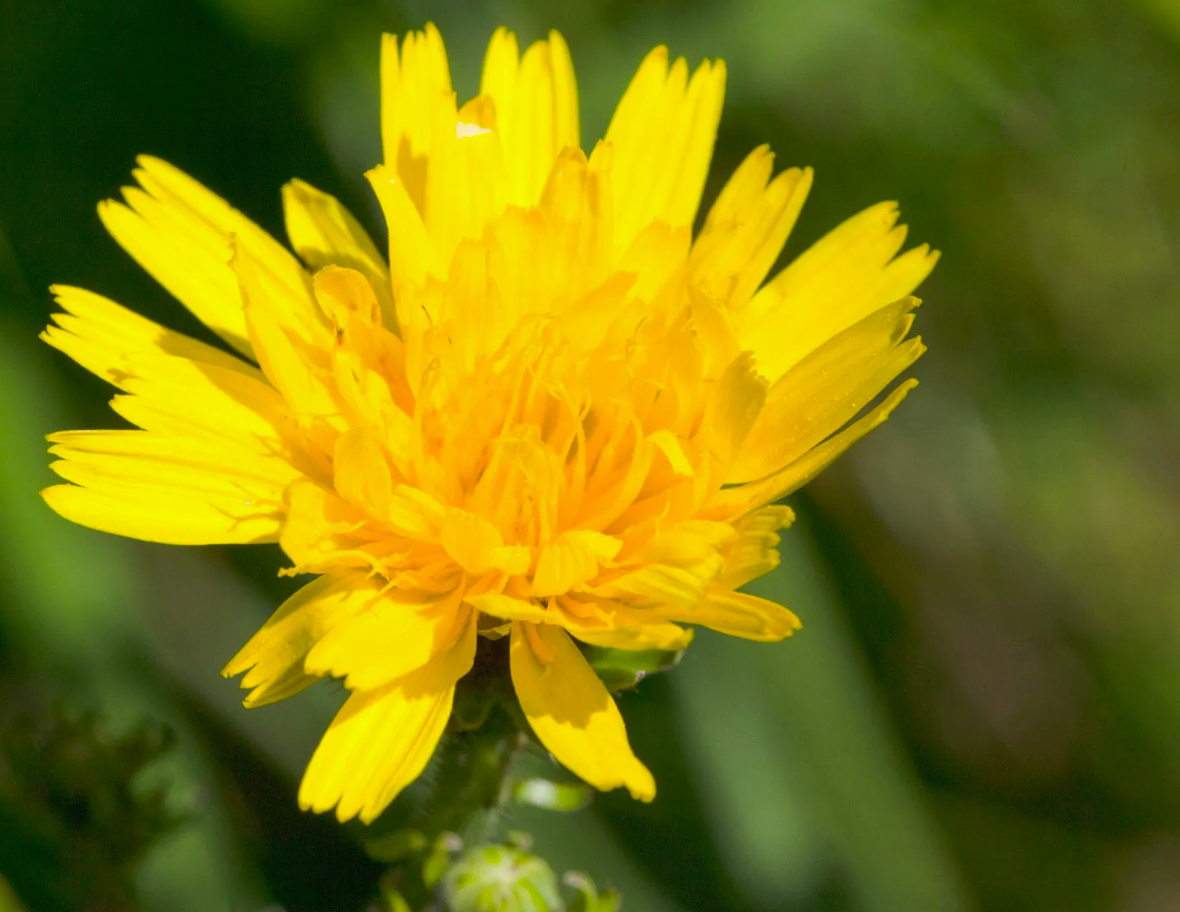
    Want to meet one of these botanical wonders? Say hello to Pilosella, which includes the common hawkweed. These remarkable plants are not just special because of their unique family-growing style, they also teach us lessons about how plants adapt and stay strong when their world changes around them.

    Apomixis: Nature’s Reproductive Shortcut

    In Pilosella, scientists found that this cloning trick is actually controlled by three special gene regions, kind of like switches on a circuit board:
    Switch 1: LOA – avoids meiosis, the normal gene-splitting step,
    Switch 2: LOP – avoids fertilisation, so eggs grow into plants without needing pollen,
    Switch 3: AutE – lets the plant build the food-filled tissue (endosperm) that supports the developing seed.
    Together, these three “super switches” turn regular sexual reproduction into a smooth, pollen-free process.

    The LOP locus: the key to clonal reproduction

    Let’s zoom in on one of those switches: the LOSS OF PARTHENOGENESIS locus, or LOP. It’s the part of the genome that tells the plant, “Hey, go ahead and make a seed, even without any pollen.” That means the egg cell doesn’t need fertilisation to start developing into a full plant.

    Using some clever genetic detective work, Ross Bicknell (former Plant and Food scientist), Chris Winefield (Lincoln University), and five other researchers mapped this LOP region to a small section of the genome, 654 thousand base pairs long (which is small, considering plant genomes can be billions of bases in total length). They did this using a special technique involving polyhaploids — basically, plants that carry only a single set of chromosomes, which helps make genetic signals easier to read.

    The role of the PAR gene and jumping DNA

    One especially interesting gene in the LOP region is called PARTHENOGENESIS, or PAR for short. This gene is a key player in apomixis, and it shows up in other plants like dandelions, too.

    Dandelion flower (left) and a seed head (right). From learn.colincanhelp.com/know-your-weeds-dandelions/

    Here’s where it gets wild: scientists found that the active version of PAR (the one that triggers cloning) carries a little hitchhiker — a transposable element, or “jumping gene”, stuck in its promoter region (the bit that controls when the gene turns on). This jumping gene acts like a sneaky switch that flicks PAR into high gear, telling the plant: “Start cloning!”

    Even cooler? This transposable element-based activation seems to have happened independently in different plant groups — dandelions, hawkweeds, and their cousin Hieracium all show this trick, but with slightly different transposable elements in different spots. It’s like nature reinvented the same superpower in different ways, a phenomenon known as convergent evolution.

    So, are these plants just cloning machines?

    Not quite! For a while, scientists thought apomixis might be an evolutionary dead-end — after all, if you keep making copies of yourself, you might miss out on helpful mutations or adaptability and you steadily pick up flaws that you can’t get rid of. But Pilosella proves that’s not always the case. These plants can reproduce both ways: by cloning or by mixing genes with other plants. That means they can pass on their tried-and-true genetic blueprints or shuffle the deck when times get tough.

    In nature, this flexibility is a huge bonus. It lets them survive droughts, colonise poor soils, and hang in there when pollinators are scarce, and still adapt to new environments when needed. It’s the best of both worlds.

    Why this matters for the environment

    These clever plants are like nature’s survivalists. Their ability to reproduce without pollination means that they can spread quickly, especially in harsh places like dry grasslands or alpine meadows.

    But here’s the twist: sometimes they’re too good at it. In places like New Zealand, hawkweeds can become aggressive invaders, crowding out native plants. My own mother, for example, considers them total pests in her lawn!

    Scientists want to understand the genetic switches behind apomixis (like the LOP locus) to figure out how to manage or even control these fast-spreading plants, or perhaps one day harness apomixis for crop breeding.

    What this means for the future of plants and food

    Building on our exploration of the Pilosella plant and its unique LOP locus, let us dive into how plant genetics deepens our understanding of the natural world. As scientists examine these complex genetic blueprints, they uncovered valuable insights about:

    • How our green friends cleverly adapt to our changing climate
    • The super-smart ways that plants figure out how to survive and flourish in tough spots
    • Cool possibilities for helping crops grow better, even when the weather gets tricky

    But wait, there is more! This exciting research is not just about one plant, it is opening doors to better farming methods, helping protect our precious plant species, and finding clever ways to help plants weather the storms ahead.

    Let’s wrap this up

    Our exploration of Pilosella and its powerful LOP locus shows that even a so-called “weed” can teach us big lessons about evolution, resilience, and the future of farming.

    So next time you’re out for a walk and spot a humble hawkweed or dandelion, take a second look — you’re staring at a tiny miracle of plant reproduction, a living clue in one of nature’s greatest puzzles.

    This article was prepared by Bachelor of Science with Honours student Sienna Zeng as part of the ECOL608 Research Methods in Ecology course.


    References

  • Why don’t restored streams bounce back?

    In New Zealand, many would agree that fresh water is one of our most loved natural resources. We drink it, we swim in it, we use it to farm and to make a living, we even use it to generate our power! Unfortunately, especially in Canterbury after some major earthquakes, many of our streams and rivers are struggling. They look something like this:

    Kowhai River, Kaikōura. From Environment Canterbury, ND.

    In stream restoration, we want to return the features of a stream back to their original state, before things like urban development or introduced species affected the quality. This includes adding native plants, allowing fish to make their way out to sea or further upstream, and making sure farm animals can’t walk straight into the stream. All of these things and more can help us to make healthier waterways.

    It does not always go to plan, with some hardy introduced species putting a spanner in the works and refusing to co-operate with careful scientific methods. Imagine a beautiful stream that’s been through tough times—pollution, habitat destruction, earthquakes you name it. People step in – scientists, council members, developers, maybe the general public, and they work hard to restore it, but here’s the kicker: sometimes, things just don’t bounce back like they should. Why? That’s exactly what a recent study by Issie Barrett and her team set out to uncover.

    To understand why streams struggle to recover even after the most thorough restoration efforts, we need to understand a few key factors.

    1. Species Interactions: In a healthy stream, different plants and animals interact in specific ways, such as some animals eating others or different plants competing for space. When a stream is damaged and then restored, these interactions might not work the same way anymore. This can make it harder for the original species to come back and thrive.

    A particular species of snail, the New Zealand mud snail (P. antipodarum) is particularly good at living in these degraded streams, they thrive under pressure and limited food sources. These snails are perfect species to take over a degraded environment and reduce the recovery ability! So even when original species are introduced, such as the mayfly, the same food source now has double the competition, meaning a negative reaction – that habitat can’t provide that much food even in a restored state.

    New Zealand mud snail Potamopyrgus antipodarum. Photo Credit Michal Maňas 2014

    2. Negative Resistance: This is a big concept, which in essence means that even when the physical conditions of a stream improve (like cleaning up pollution or adding new habitats), the plants and animals in the stream don’t always come back as quickly or fully as hoped.

    During the stream’s degradation years, new species like the mud snails might move in – kind of like uninvited guests crashing a party. Even after things are cleaned up, these newbies can stick around and hog resources, making it harder for the original gang to make a comeback. This is what they call “negative resistance.” This can happen because the habitat is too degraded for the ideal species to thrive even if they did before.

    3. Resilience Mechanisms: This means the ability of a system to absorb and adapt to change, ultimately returning to the restored ideal. This is where our negative resistance comes into play. If the species or the system is already not functioning as it should, we are going to have a hard time creating a resilient system that can adapt to a changing environment and overcome any future issues.

    For example, a high level of nitrogen could change the make-up of the riverbed so drastically that a species sensitive to nitrates may never repopulate that system. Understanding the relationship between negative resistance and resilience is important for predicting and enhancing any successful restoration efforts.

    What can we do?

    Look at the Big Picture: When restoring a stream, it’s not just about fixing what we can see. We need to think about how all the different plants and animals interact with each other. This includes what nutrients are in the water and what microscopic invertebrates might be living in that water.

    Keep Checking In: It’s important to keep watching restored streams over time to make sure they’re getting better and to fix any problems that come up. If we don’t see an improvement in 5 or 10 years, there must be something else we can do.

    Be Flexible: Sometimes, we might need to change our restoration plans based on what we learn from watching how the stream responds. As scientists we have to be okay with admitting our first idea didn’t work, and then be willing to help come up with a better solution for the future.

    Vegetated drain in Canterbury with optimum riparian planting. Photo credit Jon Sullivan, ND.

    Why it matters

    Overall, there are some pretty complex systems that are at play in stream restoration projects. It is not as simple as putting in some better plants and some bigger, cooler rocks and hoping it will all work out in 10 years. By paying attention to how plants, animals, and the environment all work together, perhaps we can work towards a deeper understanding of the best ways to help our New Zealand streams thrive for many more generations to come.

    I think it would be pretty cool to keep swimming in our rivers and looking for fish in the summer, but next time you go to your local river, have a look and see what plants and other animals would really love to keep living there too.

    This article was prepared by Postgraduate Diploma in Environmental Management student Tayla Cross as part of the ECOL608 Research Methods in Ecology course.

  • Microbes matter in breaking down nitrogen in dairy pastures

    Our eyes are captivated by the breathtaking diversity of the living world, where billions of plants and animals enchant us with their variety and richness, thriving above ground or in water. But we often overlook the organisms beneath our feet, in the hidden world of soil, where an equally mesmerizing realm teems with life.

    E. R. Ingham: “Just one spoonful of soil can be home to millions of microbes“- the astonishing dynamic of these tiny, unseen organisms would blow our minds, if we only knew their story.

    I am fascinated by the biodiversity of the massive underground community. Countless small living things, such as microbes, insects, and earthworms, are tirelessly at work, busily breaking down organic matter and waste like leaf litter, faeces, and other dead organisms.

    Soil sample under the microscope, Image credit: © William Edge
    from Dreamstime.com CC BY-NC 2.0

    These organisms play fundamental roles in decomposition and also contribute to unlocking essential nutrients, like nitrogen and phosphorus, making these nutrients more available to plants. However, some microbial species can degrade useful substances, primarily affecting the cropping system and leading to lower crop yields in agriculture.

    In New Zealand, our grazing pastures face a significant challenge of soil microbes depleting essential nitrogen (N) in the soil. The NZ dairy industry has a substantial economic impact. A report by Sense Partners highlights that DairyNZ accounted for a quarter of New Zealand’s total export earnings (26 million) in 2023, making it a crucial contributor to national prosperity. For dairy farmers, “grass is green gold” because high-quality pasture is the key to their success, supporting healthy and productive livestock.

    Nitrogen boosts pasture supply, especially when N fertilizer is applied in mid to late spring. In most regions, this application results in an optimal and reliable grass response of around 10 to 15 kg DM/kg N. Why the need to apply synthetic fertiliser when nitrogen is abundant in the atmosphere, which contains 78% nitrogen. The catch is that atmospheric nitrogen is not directly available to most plants (except for legumes) due to its highly stable form (N2).

    Given the necessity of nitrogen fertilisers in grazing pasture systems, a go-to choice is urea. It’s most cost-effective and the most widely applied nitrogen fertiliser in NZ dairy pastures. The scale of its usage is staggering, with over 400,000 tonnes of urea being used annually in dairy farm systems since 2013.

    Two Cows by Martin Gommel | Flickr | CC BY-NC 2.0

    There is a downside. Ammonia-oxidizing soil microbes release an enzyme called urease that can break down over 80-90% of urea fertiliser when soil moisture is high. This leads to significant economic losses for farmers and contributes to environmental pollution through nitrate leaching.

    Note: Urea is the substance of solid nitrogen fertilizer, while urease is an enzyme found in plant tissues, fungi, bacteria, and some invertebrates, but not in animals.

    Dr. Hossein Alizadeh, a senior researcher in the Department of Agricultural Sciences at Lincoln University, leads a team focused on addressing the problem of nitrogen loss in soil. They have identified key culprits of rapid nitrogen loss in the soil – urease-producing microbes.

    By understanding these microbes better, the team can develop solutions to enhance the uptake of nitrogen nutrients by pastures and reduce greenhouse gas emissions. This is crucial because nitrogen from livestock urine and agricultural fertilisers converts to nitrous oxide (N2O), contributing to about one-sixth of New Zealand’s CO2 equivalent greenhouse gas emissions.

    To detect the nationwide urea degradation levels in dairy farm pastures, Dr. Alizadeh and his research team collected soil samples from various regions, including Auckland, Canterbury, Manawatu, Marlborough, Nelson, Otago, Taranaki, Waikato, Wairarapa, and the West Coast. The sampled pastures primarily consisted of ryegrass (Lolium perenne L.) and white clover (Trifolium repens L.). Some grazing lands were relatively young, only nine months old, while others had 60 years of usage.

    To determine whether urease-producing microbes are present in different soil samples, researchers measured ammonium production. Urease breaks down urea and nitrogen in the soil converts to ammonia gas (NH3) and nitrate (NO3-) leaching. In the lab, if the urease producer actively breaks down urea and releases ammonia, the Petri dish with cultured microbes will show a pink colour (see Figure below). Additionally, to identify microbial bacteria and fungi, they applied the PCR (polymerase chain reaction) technique, morphological identification methods.

    Urease detection medium for isolation of soil urease producing microorganisms (left) and a purified urease (right). Own work CC BY-NC 2.0

    Hossein found some novel microbial species, such as Pochonia bulbillosa, Mariannaea elegans, and Gliomastixsp., which were reported for the first time for their urease production. The study also revealed variations in urease activity among the isolates and a diverse microbial community composition across different locations. For instance, in Nelson, bacteria were the dominant urease producers in the soil, while in Oxford, it was fungi, marking a significant discovery in soil microbiology.

    The groundbreaking research by Dr. Hossein and his team on identifying urease-producing microbes not only provides fundamental knowledge but also opens up possibilities for practical applications. The findings suggest the potential of manipulating these microbial populations in soil to reduce urease activity, a concept that is being further explored in the N-Bio Boost program led by Professor John Hampton of Seed Technology at Lincoln University. This project, funded by the New Zealand government and the fertilizer co-op Ravensdown, aims to harness a naturally occurring fungal species in the soil to enhance the nitrogen efficiency of plants, promising both environmental and economic benefits for New Zealand.

    So next time you are walking on pasture, pause and appreciate the busy world that is found under your feet!

    This article was prepared by Master of Pest Management postgraduate student Danyu Li as part of the ECOL608 Research Methods in Ecology course.

    Alizadeh, H., Kandula, D. R. W., Hampton, J. G., Stewart, A., Leung, D. W. M., Edwards, Y., & Smith, C. (2017). Urease producing microorganisms under dairy pasture management in soils across New Zealand. Geoderma Regional, 11, 78–85. https://doi.org/10.1016/j.geodrs.2017.10.003

  • Seed coating: fungi protect maize from disease

    Did you know that seeds can wear coats, just like people? Different kinds of coats can be added to seeds to protect them for improved cultivation. How do seed-coatings work and what are the benefits for seeds wearing coats? There are several distinct strengths of seed coating. You will know a lot more about seed-coating, and a recent discovery that could be applied in maize seeds, after reading throughout this page.

    Recently, Federico Rivas-Franco, with colleages at Lincoln University and researchers around the world, discovered the benefits of coating maize seed with a kind of entomopathogenic fungi (Metarhizium species). Entomopathogenic is a technical word meaning insect killing, so this is a fungus that infects and kills insects. By adding a Metarhizium coating to maize seed, Federico found that maize plants grow taller than the untreated plants, when those plants are in the presence of the plant pathogenic fungus, Fusarium graminearum. That was a useful surprise!

    What’s more, the Metarhizium hyphae (the growing threads of the fungus) were observed growing on and in root tissues in all the Metarhizium treated maize with the coating. This showed that Metarhizium can live together with maize roots and had a consistent effect on defending maize plants from underground pests and plant pathogens (like Fusarium graminearum).

    Fusarium ear rot on maize
    Fusarium ear rot on maize.
    Image CC BY-NC-SA 2.0 by Thomas Lumpkin

    Many of you may be asking, what is Fusarium graminearum? It is a causative agent of several serious plant diseases. Fusarium graminearum can cause a devastating disaster on maize and lead to huge yield losses.

    Maize seeds, roots, stems and ears can all be easily infected by this fungal pathogen, which means maize plants are susceptible to Fusarium infections throughout the cultivation period. More terribly, not only maize, but also wheat, barley and rice can be infested by Fusarium. It is quite annoying, right? It can be expensive for farmers. What if people and stock eat the contaminated crops? The answer is they will get ill, and the symptoms including vomiting, stomach ache and so on. Fusarium infected maize can not be sold as food, so farmers need a solution to protect their crop from this nasty fungus.

    Metarhizium species are a kind of fungus that is generally used to biocontrol insect pests. However, the biocontrol ability of Metarhizium not only works for insects but also against plant pathogens like Fusarium. That’s quite the superpower!

    In 1870s, Metarhizium was first extracted and identified by a Russia scientist Élie Metchnikoff (Илья Ильич Мечников in Russian). He found that there were hypha growing from dead beetles. Initially, the hypha was white, then turned green, and then a darker green. After molecular techniques were introduced at the end of 20th century, new species of Metarhizium species have continued to be identified.

    How does Metarhizium combine with seed coats? In fact, it is microsclerotia, which is a resistant structure grown by the fungus, that is added into seed coats. Over the past decade, it has been discovered that entomopathogenic fungi are able to produce high concentrations of microsclerotia when grown in liquid media.

    Microsclerotia are desiccation tolerant and have excellent storage stability. More importantly, they are capable of producing high quantities of infective conidia (asexual spores) after rehydration. All these attributes make microsclerotia an excellent agent to be used in seed coating.

    Besides preventing plant diseases and pests, different seed coatings can also make seeds grow healthier and improve cold resistance (drought & moisture resistance as well). That’s because commercial seed coatings are composite products made up of combinations of insecticides, fungicides, compound fertilizers, trace elements, plant growth regulators or more other chemical or physical components. What’s more, same size and shape of coated seeds make it much easier for mechanical sowing.

    After using seed coatings, farmers don’t need to use as many insecticides and fungicides to protect the emerging young plants. This reduces the pollution in the environment and the insecticide (or fungicide) resistance of the plant.

    This research demonstrated the excellent potential for adding Metarhizium to commercial seed coatings for maize. We have seen the good outcomes in the experimental field. Let’s wait and see the next step for figuring out how best to do this in commercial production.

    This article was prepared by Master of Science postgraduate student Xiaohan Wang as part of the ECOL608 Research Methods in Ecology course.

  • Testing new bait coatings for conservation

    Mickey Mouse and Scabbers the Rat, are causing biodiversity loss in Aotearoa, New Zealand. They are committing crimes against some of our most endangered wildlife and arriving uninvited to the party. Protecting our taonga falls into the hands of conservationists and wildlife managers. New research plays a vital role in protecting our precious taonga.

    Menacing mouse – a little creature creating a big problem. Photo by Nils Fleischeuer (CC BY-NC)

    Would you be surprised to read that mice (Mus musculus) have been recorded eating live albatross (300 times their size)? I sure was! How could a little mouse possibly kill a bird known for having the largest wingspan in the world? Sadly, lots of albatross die from mouse predation every year. When mice aren’t eating albatross, they dine on many species of insects, chicks, eggs and lizards.

    If mice are so terrible, what about rats? There are three species of rat in Aotearoa, the Norway rat Rattus norvegicus, Black rat Rattus rattus and the Polynesian rat Rattus exulans. They are all bad news – they kill adult birds, chicks, snails and insects. They also compete for food that should be there for our native fauna.

    Due to the negative impacts of these rodents, and other introduced predators, many of New Zealand’s most critically endangered fauna are whisked away to predator-free off-shore islands. Some are protected behind expensive predator-resistant fences. PHEW, job completed, right? Not so fast!

    Despite eviction notices, Micky and Scabbers can wriggle their way back into our protected areas. Maybe it’s a quick hop along a fallen tree that bridges the now not so “predator-resistant” fence or a long swim to an off-shore island. When they do appear, we need to have proven tools in the toolbox to deal with them. One of the tools to control them is cereal poison bait.

    These baits are like your breakfast cereal in that they are made from similar ingredients – apart from the poison! Picture this: you reach for your new box of breakfast cereal in the morning and notice an open, very much neglected, box of cereal sitting at the back of your pantry. It’s been there for so long you can’t remember opening it (or you’ve just been ignoring it for many months). It smells stale and has gone slightly soggy, so you bin it, knowing full well that it will taste nasty.

    A good rat is a dead rat! Photo by Jacqui Geux, iNaturalist NZ, (CC-BY)

    Bait stations are used to protect the bait from the rain. However, just like you with your open box of stale cereal, mice and rats also have preferences when it comes to eating their cereal. The longer that bait is stored inside bait stations, the less palatable it is to rodents, the less they eat and the longer it continues to sit and weather.

    To make things worse, the bait stations are often irregularly serviced, so wildlife managers need a bait that stays palatable to mice and rats for as long as possible. This is an issue on remote predator-free islands and fenced predator-resistant sanctuaries that have difficult access and limited funds. Stale or mouldy bait in particular will not control rodents if they aren’t even going to eat it.

    If only there was a way to prevent baits from absorbing moisture and going mouldy – keeping the bait fresh for longer so that mice and rats were more likely to eat it when they come across it …

    This is where researchers at Lincoln University (NZ), James Ross and colleagues, had an idea to coat the baits in a material that will do just these things. Also the material will not reduce the palatability of the baits to mice and rats. To test this idea, they created an experiment using two coatings, Polyvinyl butyral (PVB) and Shellac. Shellac is already used as a food glaze and as a coating to mask the bitter taste of Paracetamol/Acetaminophen. Shellac is also fully biodegradable, which makes it environmentally friendly.

    The coatings were tested using four combinations of the aforementioned substances. First, they had to ensure the new coatings didn’t reduce the palatability compared to uncoated baits. If mice and rats do not eat the new bait coatings, it would be a waste of time to test them further. If Whitakers coated your favourite chocolate bar in something strange, you might take one bite and decide that the new “sardines & whipped cream” coated chocolate bar was not your vibe.

    This image has an empty alt attribute; its file name is 518244606_bcc3409a3a_c.jpg
    An easy pill to swallow – A Panadol tablet, commonly coated in Shellac. (CC BY-NC-SA 2.0) Photo by venana, Flickr. 

    The researchers also had to measure whether coated pellets remained palatable after extended environmental exposure because this is highly likely how mice and rats will find the baits in the real world. In the experiment the coatings were placed on the food the captive rats and mice were fed on. Mice, and more so rats, are neophobic (afraid of new things). So placing new food in their cages might affect the results in such a way that the researchers are measuring the wrong thing. Putting the coatings on their food means their wary responses will be minimised, since they eat rodent pellets every day. After the mice and rats had munched their way through their favourite snacks, the bowls were weighed, and the results were in – Shellac for the win.

    There were differences between the bait coating combinations; Shellac was the most palatable, it performed the best for both mice and rats. Shellac out preformed the PVB coating and the mix of PVB/Shellac. This experiment demonstrated that mice and rats are picky eaters and highlights the importance of testing the different coating types. Coatings, although no thicker than 500 micrometers (really thin), will affect how much mice and rats will eat. Ironic given that mice and rats will eat out of a trash can – now we know they are fussily searching for the “best rubbish”.

    This research is a step in the right direction for conservation in Aotearoa. I call it a small win for the native fauna. With Shellac showing promising signs, researchers and wildlife managers can test the new bait coatings in the field. Wild Mickey and Scabbers can try out some of the mould free, ‘fresh as can be’ Shellac bait. So next time Mickey and Scabbers arrive uninvited to the party, it may be the last thing they do.

    This article was prepared by Master of Pest Management student Nils Fleischeuer as part of the ECOL608 Research Methods in Ecology course.