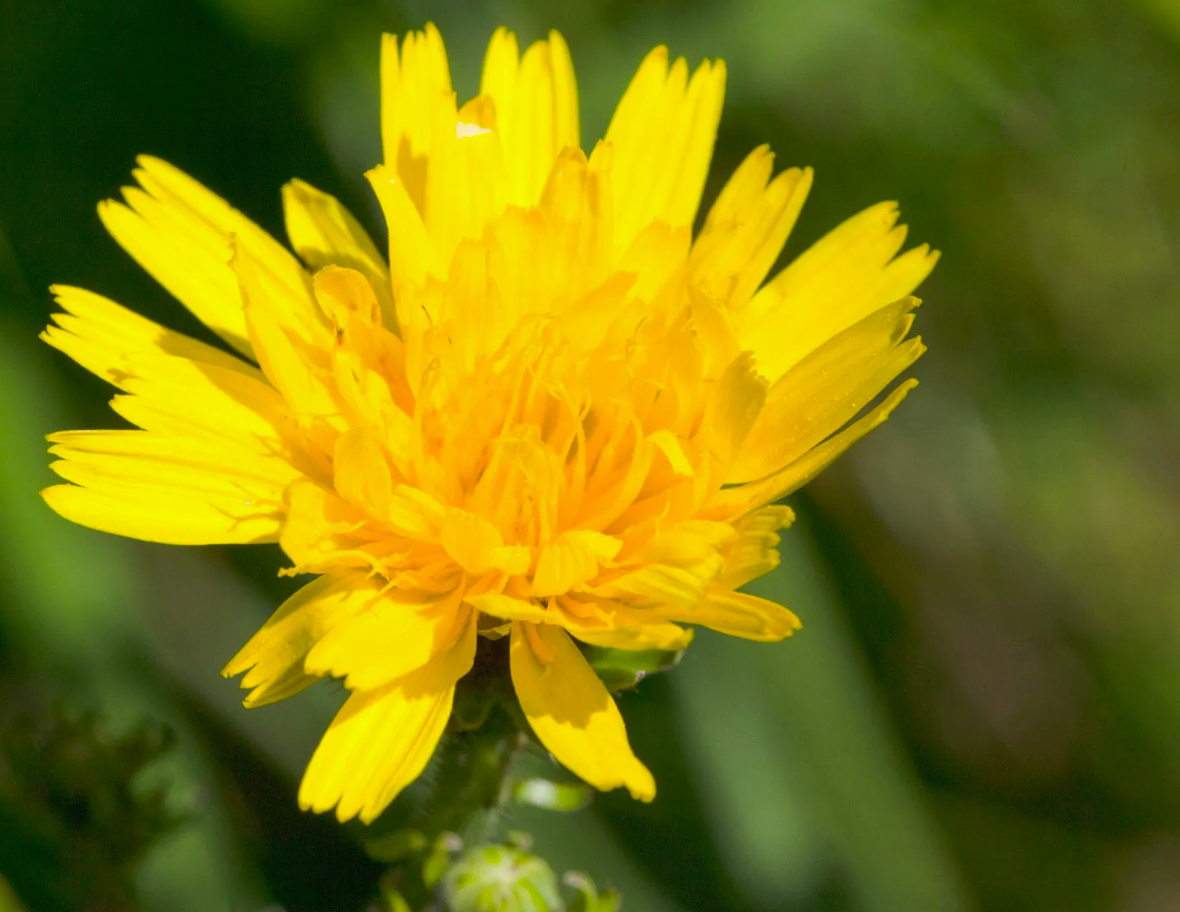
Hey plant lovers! Let me share something incredible with you about the plant world. Some clever plants have discovered a super cool way to multiply without needing seeds or pollen from other plants. It is called apomixis. Think of it as nature’s way of letting plants create mini-me versions of themselves. These amazing plants can thrive and spread their families far and wide, even when life throws them some challenges.
Want to meet one of these botanical wonders? Say hello to Pilosella, which includes the common hawkweed. These remarkable plants are not just special because of their unique family-growing style, they also teach us lessons about how plants adapt and stay strong when their world changes around them.
Apomixis: Nature’s Reproductive Shortcut
In Pilosella, scientists found that this cloning trick is actually controlled by three special gene regions, kind of like switches on a circuit board:
Switch 1: LOA – avoids meiosis, the normal gene-splitting step,
Switch 2: LOP – avoids fertilisation, so eggs grow into plants without needing pollen,
Switch 3: AutE – lets the plant build the food-filled tissue (endosperm) that supports the developing seed.
Together, these three “super switches” turn regular sexual reproduction into a smooth, pollen-free process.
The LOP locus: the key to clonal reproduction
Let’s zoom in on one of those switches: the LOSS OF PARTHENOGENESIS locus, or LOP. It’s the part of the genome that tells the plant, “Hey, go ahead and make a seed, even without any pollen.” That means the egg cell doesn’t need fertilisation to start developing into a full plant.
Using some clever genetic detective work, Ross Bicknell (former Plant and Food scientist), Chris Winefield (Lincoln University), and five other researchers mapped this LOP region to a small section of the genome, 654 thousand base pairs long (which is small, considering plant genomes can be billions of bases in total length). They did this using a special technique involving polyhaploids — basically, plants that carry only a single set of chromosomes, which helps make genetic signals easier to read.
The role of the PAR gene and jumping DNA
One especially interesting gene in the LOP region is called PARTHENOGENESIS, or PAR for short. This gene is a key player in apomixis, and it shows up in other plants like dandelions, too.

Here’s where it gets wild: scientists found that the active version of PAR (the one that triggers cloning) carries a little hitchhiker — a transposable element, or “jumping gene”, stuck in its promoter region (the bit that controls when the gene turns on). This jumping gene acts like a sneaky switch that flicks PAR into high gear, telling the plant: “Start cloning!”
Even cooler? This transposable element-based activation seems to have happened independently in different plant groups — dandelions, hawkweeds, and their cousin Hieracium all show this trick, but with slightly different transposable elements in different spots. It’s like nature reinvented the same superpower in different ways, a phenomenon known as convergent evolution.
So, are these plants just cloning machines?
Not quite! For a while, scientists thought apomixis might be an evolutionary dead-end — after all, if you keep making copies of yourself, you might miss out on helpful mutations or adaptability and you steadily pick up flaws that you can’t get rid of. But Pilosella proves that’s not always the case. These plants can reproduce both ways: by cloning or by mixing genes with other plants. That means they can pass on their tried-and-true genetic blueprints or shuffle the deck when times get tough.
In nature, this flexibility is a huge bonus. It lets them survive droughts, colonise poor soils, and hang in there when pollinators are scarce, and still adapt to new environments when needed. It’s the best of both worlds.
Why this matters for the environment
These clever plants are like nature’s survivalists. Their ability to reproduce without pollination means that they can spread quickly, especially in harsh places like dry grasslands or alpine meadows.
But here’s the twist: sometimes they’re too good at it. In places like New Zealand, hawkweeds can become aggressive invaders, crowding out native plants. My own mother, for example, considers them total pests in her lawn!
Scientists want to understand the genetic switches behind apomixis (like the LOP locus) to figure out how to manage or even control these fast-spreading plants, or perhaps one day harness apomixis for crop breeding.
What this means for the future of plants and food
Building on our exploration of the Pilosella plant and its unique LOP locus, let us dive into how plant genetics deepens our understanding of the natural world. As scientists examine these complex genetic blueprints, they uncovered valuable insights about:
- How our green friends cleverly adapt to our changing climate
- The super-smart ways that plants figure out how to survive and flourish in tough spots
- Cool possibilities for helping crops grow better, even when the weather gets tricky
But wait, there is more! This exciting research is not just about one plant, it is opening doors to better farming methods, helping protect our precious plant species, and finding clever ways to help plants weather the storms ahead.
Let’s wrap this up
Our exploration of Pilosella and its powerful LOP locus shows that even a so-called “weed” can teach us big lessons about evolution, resilience, and the future of farming.
So next time you’re out for a walk and spot a humble hawkweed or dandelion, take a second look — you’re staring at a tiny miracle of plant reproduction, a living clue in one of nature’s greatest puzzles.
This article was prepared by Bachelor of Science with Honours student Sienna Zeng as part of the ECOL608 Research Methods in Ecology course.
References
- Bicknell, R., Gaillard, M., Catanach, A., McGee, R., Erasmuson, S., Fulton, B., & Winefield, C. (2023). Genetic mapping of the LOSS OF PARTHENOGENESIS locus in Pilosella piloselloides and the evolution of apomixis in the Lactuceae. Frontiers in plant science, 14, 1239191-1239191. https://doi.org/10.3389/fpls.2023.1239191
- Cover photo from: https://www.britannica.com/plant/hawkweed
Leave a Reply