Category: DNA

  • More than teeth: mouth microbiomes of stoats and possums

    More than teeth: mouth microbiomes of stoats and possums

    Like most people, I hate going to the dentist. Every time I have a check-up, they poke and prod around my mouth, trying to find something wrong. Most of the time, they end up telling me the same thing: I don’t floss enough.

    Despite all those check-ups and the money that went into braces, I rarely find myself thinking about what actually goes on inside our mouths. They are the first point of contact for everything, from breaths of fresh air to the good (and bad) choices about what we eat. But our mouths have a lot more going on than we credit them with.

    Our mouths are home to over 700 different species of microbes – tiny microscopic organisms that can be anything from bacteria to fungi to viruses. While that might sound like a bad thing, these microbial communities contain both helpful and harmful organisms. Many beneficial microbes assist with digestion and help regulate harmful microbes, even in food!

    Our mouths are home to hundreds of different microorganisms. Image from Tjandrawinata et al., (2025) licensed under CC BY 4.0

    These diverse oral communities exist in almost all animals, and their roles go far beyond digestion. They can also influence immune responses and even host behaviour. In turn, oral microbiomes themselves are shaped by a host’s genetics, physiology, environment, and diet. As microbiomes co-evolve with their hosts, we can potentially understand genetic variation and evolutionary processes in host species by looking at these small passengers.

    Common Brushtail Possum (Trichosurus vulpecula) – JJ Harrison (CC-BY-SA-2.5)

    These interesting, yet poorly understood, communities were studied by a group of nine scientists, including researchers from Lincoln University. They wanted to understand the oral microbiomes of two invasive to New Zealand mammals: the stoat and the common brushtail possum. Stoats and possums are both notorious pests in Aotearoa. They disrupt our vulnerable ecosystems, killing native plants and animals. While extensive research has examined the species themselves, little attention has been given to their microbiomes, let alone their oral microbiomes.

    Stoat (Mustela erminea) – James Lindsey (CC BY-SA 3.0)

    Led by Arsalan Emami-Khoyi, the researchers aimed to characterise the diversity, content, and variation of oral microbiota in the animals. With ethics approval from the Lincoln University Animal Ethics Committee, they live-captured five stoats and five possums from Banks Peninsula. Unlike a typical trip to the dentist, the animals were sedated before researchers swabbed their mouths. The researchers then used a DNA technique called 16S rRNA metabarcoding to discover and record microbial communities. This complex technique identifies the abundance of different groups of microbes.

    All of the animals captured were healthy apart from gum inflammation – my dentist would be horrified by how little they brush their teeth. As published in the journal Diversity, the researchers identified 19 different major microbial groups (phyla), and 51 known species in the animals’ mouths. Despite this high diversity, a small number of microbes dominated each mouth fauna in both animals. These same groups are abundant across other mammal species, representing a ‘core’ set of microbes across mammals. Some of these core groups are Proteobacteria and Firmicutes.

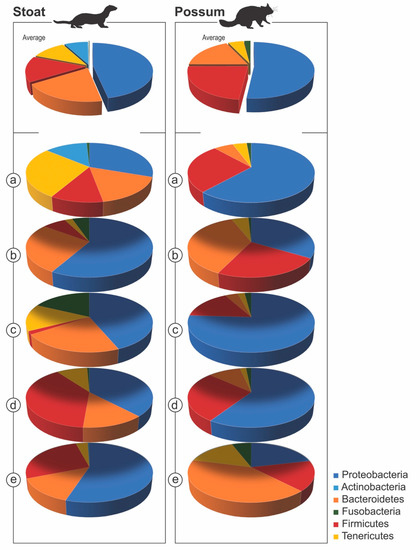
    The researchers also found clear differences in microbial composition between stoats and possums. This suggested a link between diet and microbes, with omnivorous possums having plant-metabolising bacteria, such as Treponema sp., which were completely absent in the carnivorous stoat. At the same time, the high diversity in both species suggests that other factors, such as genetics, environment and physiology, also play an important role in shaping oral microbiomes.

    The variation of the five core oral bacteria in stoats and possums found in the study (CC BY 4.0).

    This high variation in the oral microbiome could help us understand evolutionary responses of introduced species to new environments. Because of their short lifespan and fast reproduction, microbial communities can change more rapidly than their host genetics. So focusing on them could teach us about how much these invasive species have adapted to New Zealand’s environment.

    Understanding the oral microbiomes of these invasive mammals could also have practical applications in pest control. Microbes can influence how animals process toxins and other chemicals, which may influence how well poisons work. In New Zealand, we often rely on poisons, such as 1080 and brodifacoum, to control our mammalian populations. Future research on this could help us improve the effectiveness of control tools.

    Work has already been done beyond this study. The lead author and colleagues have developed a device that collects DNA from possums in the field, allowing us to sample DNA without capturing the animal directly. Alongside collecting host DNA, this approach can also provide insights into possum health by analysing oral microbial DNA.

    The device developed by Arsalan Emami-Khoyi and colleagues for capturing DNA in the field (Arsalan Emami-Khoyi et al., 2021)(CC BY 4.0).

    Personally, I think this study could help us understand population connectivity. Comparing microbial samples from different locations could provide a new way to understand population connectivity and how invasive species spread.

    There is a wide range of potential applications from this research, and microbiomes will likely play an increasingly important role in future pest management.

    It turns out we can learn a lot from what’s happening inside an animal’s mouth. So maybe my dentist is right to look so closely after all.

    This article was prepared by Master of Bioprotection student  Sam Bonney as part of the ECOL608 Research Methods in Ecology course

    Emami-Khoyi, A., Benmazouz, I., Paterson, A. M., Ross, J. G., Murphy, E. C., Bothwell, J., Alizadeh, H., van Vuuren, B. J., & Teske, P. R. (2020). Oral Microbiome Metabarcoding in Two Invasive Small Mammals from New Zealand. Diversity, 12(7), 278. https://doi.org/10.3390/d12070278

  • It’s not you, it’s your species: Mate choice in fishing spiders

    It’s not you, it’s your species: Mate choice in fishing spiders

    Dating is hard and confusing for most… but especially for these guys.

    A recent study on two native semi aquatic spiders, Dolomedes aquaticus and Dolomedes minor, revealed that spider dating is dramatic, but beneficial for their evolution. These spider species spend a lot of time diving for their prey in rivers and streams.

    Male fishing spiders (Dolomedes species) perform complex courtship displays for their partners, which include vibratory, visual, and chemical signals, all just to avoid being killed by the female they are trying to impress, and just so he gets the opportunity to copulate.

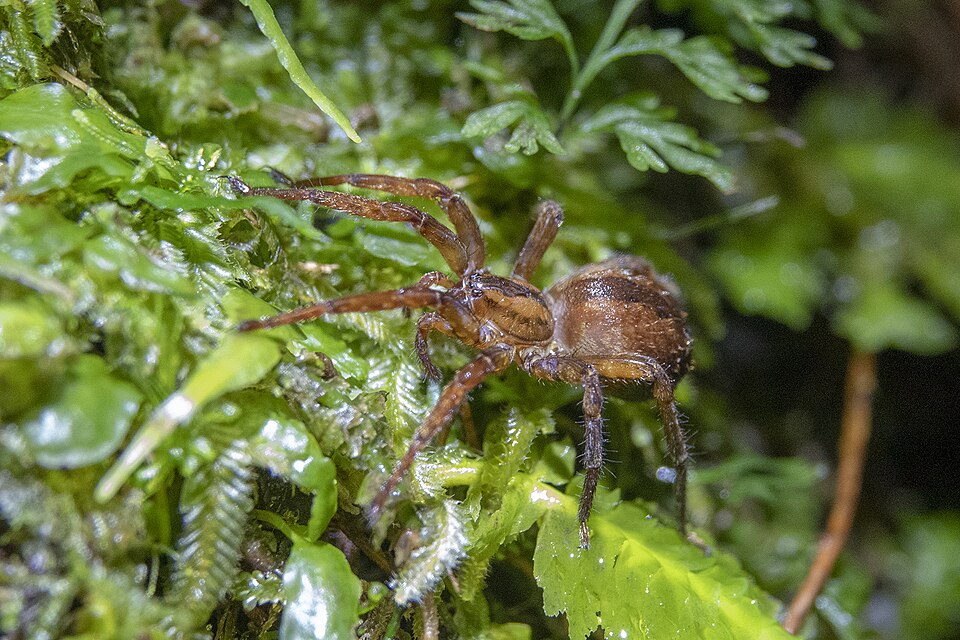
    D. aquaticus at Boyle River. Photo by Nicky Lowther (CC BY-NC)

    Unfortunately for these eight-legged boys, their ladies are often aggressive, sexual cannibalism common, and dates often making up a significant portion of these feisty ladies diets.

    These fishing spider species are found throughout New Zealand. In a particular area in the lower South Island, something interesting is going on… they are hybridising!… but only in one direction.

    DNA analysis has revealed that mitochondrial introgression has occurred between D. aquaticus females and D. minor males. Introgression is when DNA moves from one species to another. But why, and why only one way? This study investigated the one way introgression between these two species, coauthored by one of New Zealand’s preeminent arachnologists, the one and only Cor Vink.

    These species are closely related and have been observed to interbreed. This causes genes from one species to pass to the other; this process is called introgression. Introgression between these species has only been observed in one direction between female D. aquaticus and male D. minor. Introgression has also only been seen in one location, in the south of the South Island, the “introgression zone.”

    Distribution of D. aquaticus and D. minor within New Zealand, with introgressed D. minor specimens shown. Data from Vink and Dupérré
2010 and Lattimore et al 2011. Also shows collection locations of spiders for laboratory experiments, and Waipara field monitoring site. The introgression
zone is shown by the square box.
    Distribution of Dolomedes aquaticus and D. minor within New Zealand, with introgressed D. minor specimens shown. Data from Vink and Dupérré 2010 and Lattimore et al 2011. Also shows collection locations of spiders for laboratory experiments, and Waipara field monitoring site. The introgression zone is shown by the square box. (Content subject to copyright: please see the study image notes for details)

    The purpose of this study was to investigate life history traits and mating behaviour that promoted and limited introgression that occurs only one way and is limited to one area.

    Spiders were collected from within and outside the introgression zone and mating behaviour was tested in a lab.

    From these experiments, it was found that males from outside the introgression zone were less willing to continue courtship once realising the female was of a different species from themselves, often ghosting halfway through, an experience familiar to those of us in the dating pool. On the other hand, D. minor males within the introgression zone were happy to flirt with any female. This unfussy selection seems familiar. Whether this is a spider phenomenon or a southern cultural trait remains unclear.

    Another interesting find was that female D. minor were more short tempered when it comes to D. aquaticus males, having much higher attack and rejection rates towards D. aquaticus males than the opposite pairing. When a D. aquaticus male attempted courtship, the females often attacked and ate him. This suggests the differences in female behaviour between the two species may have just as much influence on gene flow as mate choice.

    Female receptiveness to male courtship is key for introgression to occur, including female ability to recognise male courtship, female choice, and premating aggressive behaviour, these could all prevent interbreeding in ways that could vary throughout the species’ range.

    Pairings were more successful if the pairings were similar in size. Females in both species are much larger than males, although D. aquaticus is larger overall. It was suggested that one way introgression could be because a female D. aquaticus assumes that a smaller male would be an easier snack, not a great mate!

    D. aquaticus at Boyle River. Photo by Nicky Lowther (CC BY-NC)

    Other potential factors could include that partners in the south could be less choosy in their mate selection as their breeding seasons may be shorter due to natural conditions. D. aquaticus females may think males of their species are rarer, or D. aquaticus male and D. minor female genitalia may not be compatible.

    In summary, it is likely that mating behaviour has a strong influence on the dynamics of introgression gene transfer between these species within the introgression zone.

    Male behaviour may limit introgression one way, preventing mating between D. minor females and D. aquaticus males. Also, female behaviour and choice may limit introgression because of a preference: mate or meal?

    In the end, these spiders prove one thing: rejection is natural selection, and preference is important in evolution. So, next time you have a bad date, consider yourself grateful that your rejection did not end in sexual cannibalism. 🕷️

    This article was prepared by Master of Bioprotection student  Nicky Lowther as part of the ECOL608 Research Methods in Ecology course

    Connolly, S. J., Hunt, J., Curtis, K. M., Painting, C. J., Cooney, C., & Vink, C. (2025). Mating behaviour influences the direction and geographic extent of introgression in New Zealand fishing spiders (Dolomedes). Journal of Evolutionary Biology38(3), 291–304. https://doi.org/10.1093/jeb/voae147  

  • The genetic mystery behind “clonal” plants

    The genetic mystery behind “clonal” plants

    Hey plant lovers! Let me share something incredible with you about the plant world. Some clever plants have discovered a super cool way to multiply without needing seeds or pollen from other plants. It is called apomixis. Think of it as nature’s way of letting plants create mini-me versions of themselves. These amazing plants can thrive and spread their families far and wide, even when life throws them some challenges.

    Want to meet one of these botanical wonders? Say hello to Pilosella, which includes the common hawkweed. These remarkable plants are not just special because of their unique family-growing style, they also teach us lessons about how plants adapt and stay strong when their world changes around them.

    Apomixis: Nature’s Reproductive Shortcut

    In Pilosella, scientists found that this cloning trick is actually controlled by three special gene regions, kind of like switches on a circuit board:
    Switch 1: LOA – avoids meiosis, the normal gene-splitting step,
    Switch 2: LOP – avoids fertilisation, so eggs grow into plants without needing pollen,
    Switch 3: AutE – lets the plant build the food-filled tissue (endosperm) that supports the developing seed.
    Together, these three “super switches” turn regular sexual reproduction into a smooth, pollen-free process.

    The LOP locus: the key to clonal reproduction

    Let’s zoom in on one of those switches: the LOSS OF PARTHENOGENESIS locus, or LOP. It’s the part of the genome that tells the plant, “Hey, go ahead and make a seed, even without any pollen.” That means the egg cell doesn’t need fertilisation to start developing into a full plant.

    Using some clever genetic detective work, Ross Bicknell (former Plant and Food scientist), Chris Winefield (Lincoln University), and five other researchers mapped this LOP region to a small section of the genome, 654 thousand base pairs long (which is small, considering plant genomes can be billions of bases in total length). They did this using a special technique involving polyhaploids — basically, plants that carry only a single set of chromosomes, which helps make genetic signals easier to read.

    The role of the PAR gene and jumping DNA

    One especially interesting gene in the LOP region is called PARTHENOGENESIS, or PAR for short. This gene is a key player in apomixis, and it shows up in other plants like dandelions, too.

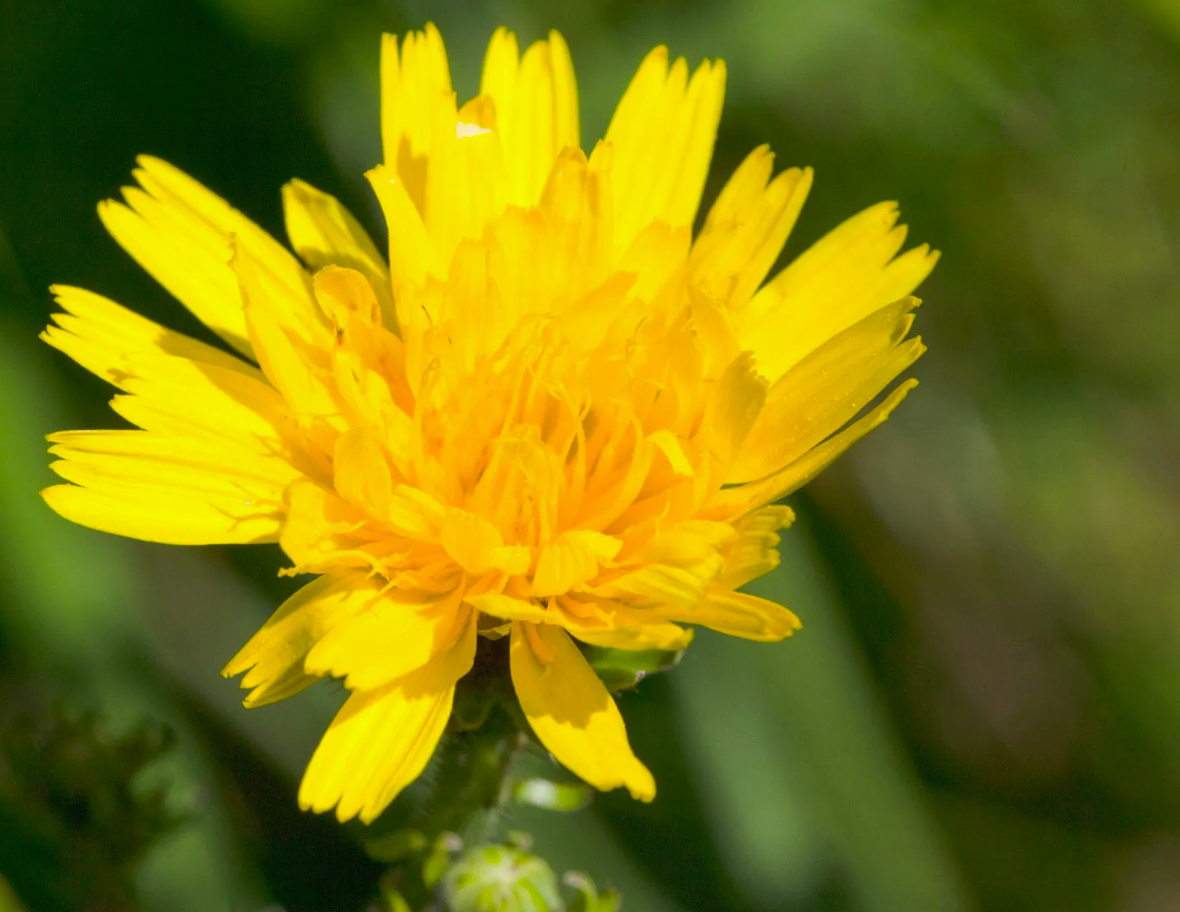
    Dandelion flower (left) and a seed head (right). From learn.colincanhelp.com/know-your-weeds-dandelions/

    Here’s where it gets wild: scientists found that the active version of PAR (the one that triggers cloning) carries a little hitchhiker — a transposable element, or “jumping gene”, stuck in its promoter region (the bit that controls when the gene turns on). This jumping gene acts like a sneaky switch that flicks PAR into high gear, telling the plant: “Start cloning!”

    Even cooler? This transposable element-based activation seems to have happened independently in different plant groups — dandelions, hawkweeds, and their cousin Hieracium all show this trick, but with slightly different transposable elements in different spots. It’s like nature reinvented the same superpower in different ways, a phenomenon known as convergent evolution.

    So, are these plants just cloning machines?

    Not quite! For a while, scientists thought apomixis might be an evolutionary dead-end — after all, if you keep making copies of yourself, you might miss out on helpful mutations or adaptability and you steadily pick up flaws that you can’t get rid of. But Pilosella proves that’s not always the case. These plants can reproduce both ways: by cloning or by mixing genes with other plants. That means they can pass on their tried-and-true genetic blueprints or shuffle the deck when times get tough.

    In nature, this flexibility is a huge bonus. It lets them survive droughts, colonise poor soils, and hang in there when pollinators are scarce, and still adapt to new environments when needed. It’s the best of both worlds.

    Why this matters for the environment

    These clever plants are like nature’s survivalists. Their ability to reproduce without pollination means that they can spread quickly, especially in harsh places like dry grasslands or alpine meadows.

    But here’s the twist: sometimes they’re too good at it. In places like New Zealand, hawkweeds can become aggressive invaders, crowding out native plants. My own mother, for example, considers them total pests in her lawn!

    Scientists want to understand the genetic switches behind apomixis (like the LOP locus) to figure out how to manage or even control these fast-spreading plants, or perhaps one day harness apomixis for crop breeding.

    What this means for the future of plants and food

    Building on our exploration of the Pilosella plant and its unique LOP locus, let us dive into how plant genetics deepens our understanding of the natural world. As scientists examine these complex genetic blueprints, they uncovered valuable insights about:

    • How our green friends cleverly adapt to our changing climate
    • The super-smart ways that plants figure out how to survive and flourish in tough spots
    • Cool possibilities for helping crops grow better, even when the weather gets tricky

    But wait, there is more! This exciting research is not just about one plant, it is opening doors to better farming methods, helping protect our precious plant species, and finding clever ways to help plants weather the storms ahead.

    Let’s wrap this up

    Our exploration of Pilosella and its powerful LOP locus shows that even a so-called “weed” can teach us big lessons about evolution, resilience, and the future of farming.

    So next time you’re out for a walk and spot a humble hawkweed or dandelion, take a second look — you’re staring at a tiny miracle of plant reproduction, a living clue in one of nature’s greatest puzzles.

    This article was prepared by Bachelor of Science with Honours student Sienna Zeng as part of the ECOL608 Research Methods in Ecology course.


    References

  • Kiwi Hedgehogs : A Journey of Curiosity and Connection

    Kiwi Hedgehogs : A Journey of Curiosity and Connection

    Curiosity often starts with a sense of wonder and a desire to understand the world around us. If you are a parent, I hope you have noticed and observed this in your children. Their endless questions and fascination with the world are a beautiful reminder of the joy and excitement that comes with learning and discovery.

    I have four lovely daughters, among them four-year-old Arshifa Gul is a bundle of curiosity and always gives me a tough time replying to all her unexpected questions. She also loves watching animated movies, stories and travelling. Back in 2023, I took her to the Pakistan Museum of Natural History for the first time. She was shocked by seeing the animal models and skeleton structures, especially the huge dinosaurs and their roaring, Asiatic lions and their growling, and the realistic models of sharks and dolphins. At first, she was quiet, observing closely, making sure they couldn’t attack. Then, her surprising questions began. “Why is the dolphin here? Who made the dinosaur roar? How did they get so big? When did they live?”

    As a wildlife biologist, I’ve worked with animals for years, but her questions confused me! It was the first time that I struggled to explain my own field. Her curiosity pushed me to think deeper and find ways to explain complex concepts in simple terms. Our trip ended but Arshifa Gul’s questions did not. Her curiosity shifted to linking the roars and growls to the human voice of the animals she heard in the animated movies


    AI-generated image (Grok) of Arshifa Gul standing in awe before a towering dinosaur skeleton in a museum, her eyes wide with wonder, surrounded by animal models like lions and dolphins.

    The next morning at breakfast, Arshifa Gul excitedly shared her thoughts about the characters from her favourite animated movie, “Allahyar and the Legend of Markhor”, set in Pakistan. She talked about the boy Allahyar and his animal friends, then asked where these animals lived, how big they were in real life, what their calls sounded like, and if we could visit them. I said yes we could, but explained that Khunjerab National Park, home to the markhor and snow leopard, was seven hours away.


    Landscape of Khunjrab National Park, Pakistan © Nisar Ahmed

    Her curiosity turned our breakfast into an adventure planning session. I gathered information on the park’s history, species like snow leopards, ibex, and Marco Polo sheep, and conservation efforts, including a trophy hunting program initiated by IUCN and WWF. 80% of the total benefits from this hunting initiative goes to the local communities while the remaining 20% is invested in habitat protection and improvement.

    We visited the site, and she enjoyed the trip thoroughly and I answered most of her questions and her confusion cleared regarding voices and the original habitat of different species. Answering her is always tough, but it makes me see the world through her bright, wondering eyes, full of love for animals. She makes me realise how important it is to nurture this curiosity, not just in her, but in all children.

    Curiosity is a powerful force that drives us to explore, learn, and grow. Arshifa Gul’s curiosity inspired me to write about the introduction of European hedgehogs into New Zealand. The European hedgehog, also known as the West European hedgehog, is a charming little creature native to Europe.

    Hedgehogs can live in a variety of terrestrial habitats and are mostly active at night. They have a slow, hesitant way of walking and often stop to sniff the air. Unlike other hedgehog species that 

    Hedgehogs have fascinated people for centuries. Their spiky charm has made them popular in history, from ancient amulets to modern pop culture icons, like Sonic the Hedgehog. Did you know that New Zealand is the only country outside Europe where European hedgehogs have successfully been established in the wild? This fascinating story of how these spiky little creatures made their way to both the North and South Islands of New Zealand is filled with twists and turns.

    Back in the 1869, acclimatisation societies in New Zealand introduced European hedgehogs to control pests. For a long time, it was believed that hedgehogs were first introduced to the South Island and later spread to the North Island. However, a molecular study in 2013 challenged this view and suggested that hedgehogs were independently introduced to both the islands directly from Europe. This means that the North Island had its own separate introduction of hedgehogs, rather than receiving them from the South Island.

    To uncover the truth, researchers from various universities, including Lincoln University, turned to historical records, especially old newspaper articles. They discovered that there were at least four independent shipments of hedgehogs into the North Island before 1900 (which were not documented in the first publication back in 1975). These findings confirmed that the North Island’s hedgehog population did not originate from the South Island. This study highlights the importance of combining observational data, molecular studies, and historical records to understand the introduction pathways of species.


    Hedgehog searching for food © Author

    The European hedgehog population thrived well in NZ, too well, as it has now become problematic for native wildlife. For example, they prey on ground-nesting birds and compete with native species for food. Leading conservationists have classified them as a pest, and the Department of Conservation New Zealand has launched a campaign to protect native species from hedgehogs.


    Arshifa Gul’s questions and the hedgehog share a common thread. Curiosity drives us to explore and learn. Whether it’s a child marvelling at a museum exhibit or scientists unravelling ecological puzzles, curiosity bridges wonder and action. It reminds us that conservation isn’t just about saving species—it’s about nurturing the spark that makes us care. As parents, educators, or stewards of the planet, or a teacher we can foster curiosity by encouraging, sharing stories, and exploring nature together by using interactive technologies.

    The author, Muhammad Waseem, is a postgraduate student in the Master of Science at Te Whare Wānaka o Aoraki Lincoln University. This article was written as an assessment for ECOL 608 Research Methods in Ecology.

    Reference: Pipek, P., Pysek, P., Bacher, S., Cerna Bolfikova, B., & Hulme, P. E. (2020). Independent introductions of hedgehogs to the North and South Island of New Zealand. New Zealand Journal of Ecology, 44(1), 3396. https://doi.org/10.20417/nzjecol.44.7

  • Wild hunters: Unveiling the hidden leopards of northern Pakistan’s borderlands 

    Our adventure begins in the breathtaking north of Pakistan, where the majestic peaks of the Himalayas, and their foothills, stand as one of the last sanctuaries, a place where the sky meets the earth. Here, clouds drift over rough mountains and lush valleys, into dense forests. Glistening lakes and spectacular waterfalls shape this natural paradise.

    In this wilderness, the air echoes to the calls of rhesus monkeys, while wild boars wander through the underbrush. The Himalayan red fox prowls the mountains, on the hunt for colourful pheasants, a tale as old as time. 

    But the fox is not the only hungry predator in these forests. A top predator, larger and stronger, with a powerful bite and covered in unique dots, reigns in the mountainous range. The majestic leopard (Panthera pardus), a mysterious and shy creature, expert at camouflage, is prowling these forests.

    Leopards are amongst the most iconic big cats. Just like other big cats, leopards are endangered. Human activity and landscape alteration pose significant threats to their survival. When leopards and humans cross paths, conflicts arise, turning this top predator from hunter to hunted

    Panthera pardus fusca is described as larger subspecies, with brighter
    coloration and smaller rosettes (Bellani, 2019).

    Photo Credit: CC BY 2.0 DEED, taken by Rupal Vaidya in October 2016

    Leopards are generally cryptic and shy, much remains unknown about these ferocious hunters. 

    Muhammad Asad, a PhD student at Lincoln University, started his dangerous journey to this wild region in the north of Pakistan. The dangers of the landscape were not limited to wildlife; humans also posed a significant risk in this troubled region. Undeterred, Asad was ready for the challenge that lay ahead. 

    Leopards are amongst the world’s most widespread carnivores, ranging from Africa to Asia. Prowling over such a vast distribution has led to the recognition of several subspecies, most of which are endangered. The forests in the north of Pakistan are known to be home to leopards, but their subspecies status has not been assessed.  

    Contrary to the legend of water-shy cats, leopards are excellent swimmers. Still, the mighty Indus River was believed to act as a barrier between populations, maybe even keeping subspecies apart.

    To unravel this mystery, Asad and his team collected and analysed tissue samples from leopards. Modern techniques have created a genetic tool as powerful as its name: mitochondrial DNA (mtDNA). Mitochondria, the powerhouses of our cells, have long been known for their role in providing power for our cells. These powerhouses also carry their own DNA, passed down maternally, making mtDNA incredible useful for studying population dynamics and subspecies differentiation.

    A key protein encoded on the mtDNA, NADH 5, is essential for energy production and is highly variable among big cats, making it an excellent candidate gene for subspecies identification.

    Through their research, Asad and his team found two distinct subspecies of leopard in the north of Pakistan, P. p. saxicolor and P. p. fusca, both belonging to the Asian group of leopards.   

    Panthera pardus saxicolor is commonly a bigger subspecies and is often
    more pale coloration, with bigger rosettes (Kiabi et al., 2002).

    Photo Credit: CC BY 2.0 DEED, taken by Guido Konrad in July 2021

    These findings mark the first subspecies identification in this region and hold significant implications for conservation efforts. The coexistence of both subspecies in the same region suggests an interesting natural corridor that connects leopard habitats, offering hope for their conservation in the face of habitat fragmentation.

    At the same time, discovering two subspecies living in the same area opens up the possibility of them interbreeding. This can create some challenges for conservation. We might wonder: could one or both of these subspecies disappear over time? Or will they blend together and create a new subspecies? Hybridisation is very unpredictable, which is why it’s important to work on conserving both subspecies. They each have unique evolutionary histories, which are the product of thousands of years of adaptation and survival, and could potentially be lost due to this phenomenon called hybridisation.

    These findings not only help leopard conservation in the paradise of the Himalayan belt in the north of Pakistan, but also contribute to global conservation efforts to protect this amazing species. By identifying subspecies and unveiling their genetic patterns, we can better protect them. It is important to protect both subspecies, which helps protect the overall species Panthera pardus.

    This article was prepared by Master of International Nature Conservation student Eric Tscherbatko as part of the ECOL608 Research Methods in Ecology course.

    Thank you to all scientist who contributed to these amazing results, namely Muhammad Asad, Francesco Martoni, James G. Ross, Muhammad Waseem, Fakhar I- Abbas and Adrian M. Paterson for your important work!

    Asad M, Martoni F, Ross JG, Waseem M, Abbas F, Paterson AM. 2019. Assessing subspecies status of leopards (Panthera pardus) of northern Pakistan using mitochondrial DNA. PeerJ 7:e7243 https://doi.org/10.7717/peerj.7243

  • Jumping to the top of the world: new salticid spider species in the Southern Alps

    Spiders.

    Your reaction to that word might determine whether or not you finish reading this post, but try to bear with me — at least for a little while. While I can accept that most people aren’t nearly as fond of spiders as I am, I think all but the truly arachnophobic (it’s okay; I understand that you can’t help it) can agree that the jumping spiders are among the “cutest” and most acceptable spider groups. These active little hunters can often be found in or around the house, and their big binocular eyes and expressive “face” make them a lot more relatable than your average creepy-crawly. Well, most of them!

    A newly-described female Ourea petroides from the Ōtira River valley, Arthur’s Pass. © own work, 2022. CC-BY-NC.

    Jumping spiders, in the family Salticidae, are among the most well-researched spiders in the world, with over 6,500 species described. Meanwhile, the jumping spiders found in Aotearoa New Zealand – apart from the most commonly-encountered species – are very poorly known to science. There are thought to be around 200 species in NZ, with about 50 known well enough to be named. However, we can only reliably identify fewer than a dozen of them. Compare this with Australia, where hundreds of species are known already, and work to describe the rest is well under way.

    Not to be outdone by the Aussies, Lincoln University’s Robin Long, along with her supervisor Dr Cor Vink, decided to do something about that. For her Master’s project, Robin set out to catalogue and describe the jumping spiders found in some of NZ’s most remote and extreme environments: the rocky heights of the South Island’s alpine zone.

    Robin visited 21 different sites all over the Southern Alps, from Paparoa to Fiordland, collecting 170 jumping spider specimens (all by hand!) from up to 1,800 m above sea level — and logging some impressive hiking mileage in the process!

    Looking across the Ōtira River at a scree slope where Ourea petroides can be found, Arthur’s Pass. © own work, 2022. CC-BY-NC.

    Through DNA analysis and careful examination of microscopic features on each spider, Robin separated those 170 specimens into 12 new species, and determined that the group was so unlike others known to science that it represented a brand new genus (a group of closely-related species with a common ancestor). She named this genus Ourea because, like the ancient Greek mountain gods, many of the species were found to be associated with a specific mountain range.

    Many of NZ’s indigenous species are only found across quite small areas, often because of the (relatively) recent and rapid growth of our mountains — which even today continue to grow taller by around 7 mm per year. Formerly widespread species were split into separate populations by the tectonic uplift, and over the last few million years these now-isolated populations have diverged into new species. Robin’s jumping spiders, much like many other NZ alpine species, took advantage of the ample prey and new habitats created by the growth of these mountain ranges. Over time these spiders even developed cryptic colours and patterns that help to camouflage them against the particular rock types they live amongst.

    Magnificent moustache: a female(!) Ourea saffroclypeus from the Remarkables Range. © Robin Long, 2022. CC-BY-NC.

    Not content with merely describing a whole genus and a dozen new species, Robin also set about studying and describing the spiders’ behaviours when interacting with other members of the same species. Jumping spiders have exceptional eyesight, and are known for communicating with each other through visual displays that range from the bronze hopper’s simple leg-waving, all the way to the flamboyant, colourful dances (which often incorporate vibration as well) performed by the aptly-named peacock spiders.

    The four Ourea species that Robin observed in the lab each exhibited a unique set of behaviours when they met another spider, and these behaviours differed depending upon whether they met a member of the same or the opposite sex. Males postured fiercely at each other, squaring up in a face-to-face grappling contest with legs and fangs outstretched.

    When attempting to impress a female, males gestured with their legs and “zigzag-danced” their way closer, before attempting to reach out and gently stroke the female’s head. Perhaps unsurprisingly, this final move had quite mixed success! Females meeting each other were a bit more sensible, and usually made a few simple (though probably quite impolite) leg gestures at each other, before one or both turned away and went in the opposite direction.

    Despite the enormous amount of work that went into researching these spiders, Robin acknowledges that her almost 150-page thesis has only scratched the surface of the topic. Little is known of the spiders’ life histories or the individual species’ spatial distributions, and it’s “very likely” that there are additional species in the genus waiting to be discovered on other mountain ranges.

    Exquisite camouflage: Ourea petroides, Ōtira River valley, Arthur’s Pass. © own work, 2022. CC-BY-NC.

    Robin also suggests a similar study would likely uncover another distantly-related group of undescribed jumping spiders living quietly in the Southern Alps. This is a common problem with New Zealand’s invertebrate fauna: while we have a good general understanding of what’s around us, there are still huge gaps in our knowledge — and usually the studies that attempt to address this just end up revealing more unanswered questions!

    We have a rich history of brilliant people, like Robin, studying, documenting, and describing New Zealand’s unique invertebrate biodiversity, and there are still many new discoveries to be made in every corner of our little country. But, despite huge technological advances, research has dwindled in recent decades due to funding redirections and the restructuring of government services.

    Under the looming threats of climate change and habitat loss, we need to pay closer attention to the smallest and most enigmatic (if not always particularly cute) creatures that live alongside us, lest they disappear before we even have a chance to study them. Australia is well ahead of NZ in this regard, with funding and support for taxonomic studies provided through their world-leading ABRS scheme. I’m not much of a sports enjoyer, but beating the Aussies at this game is one trans-Tasman rivalry I could definitely get behind.

    This article was prepared by Bachelor of Science (Honours) student Dustin la Mont as part of the ECOL608 Research Methods in Ecology course.

  • Detecting eDNA: everything, everywhere all at once

    Let’s say you want to know what animal species are present in a forest. You could walk along line transects and record the species visually observed. You could set up trail cameras to take pictures of passing animals for as long as there is enough space in the memory card and battery life in the cameras. You can use the acoustic survey method to study bats, birds, frogs, and even some monkey species, as they can be distinguished based on their sounds and calls.

    Depending on the size of your study area, making a list of the animal species present might take a several hours to several months because you will need to carry out various methods to identify them, which may also require species experts.

    These are well-established conventional methods for biodiversity monitoring, but is there no single method to find all the species in a given area at once? A one-size-fits-all t-shirt?

    There is a rapidly developing method that can identify a good portion of species in a given study area, including those living on the ground, in the ground, in the water, and even those flying in the air.

    Every organism contains genetic material called deoxyribonucleic acid (DNA), passed down from parents to children. All organisms from the same species have very similar DNA.

    An illustration of the double-helix of the DNA molecule. Original public domain image from Wikimedia Commons

    This technology takes advantage of the traces that organisms leave of their DNA in their environment, whether feathers, skin, scales, urine, or faeces. These traces, known as environmental DNA (eDNA), can be found in soil, water, and air.

    This shiny new method is called DNA metabarcoding. Simply put, it identifies organisms by matching their DNA with reference DNA from the gene database or library. It is like matching the barcode of products when you check out at the supermarket.

    The process begins with collecting water or soil, or even air, samples from the study area. These samples typically contain genetic material from diverse organisms, including bacteria, plants, and animals.

    Once samples are collected from the field, they are brought to the laboratory. DNA is separated from the samples, amplified, and sequenced to generate vast amounts of genetic data that can be compared with existing DNA databases and reference libraries such as GenBank for species identification.

    Environmental DNA – An emerging tool in conservation for monitoring past and present biodiversity – Scientific Figure on ResearchGate. Available from: https://www.researchgate.net/figure/The-overall-workflow-for-environmental-DNA-eDNA-studies-with-examples-of-organisms-that_fig1_269724781 License: CC BY-NC-ND 4.0

    DNA metabarcoding can detect a broad range of organisms at once, providing a snapshot of the species diversity within the study area. That way, you can avoid performing various sampling methods. How convenient is that!

    Of course, no method is perfect, even DNA metabarcoding. Since it is still developing, there are limitations. The public gene library has the DNA references of many species but this is still a small fraction of all the species on earth, so far. There can be contamination in the samples, which could disrupt the results. Errors can occur not only during sample collection in the field but also in the laboratory.

    Compared to DNA metabarcoding, conventional methods have stronger standardised techniques for sampling and for interpreting the datasets. Besides, in the context of biodiversity monitoring, conventional methods can provide detailed information, such as abundance, age, sex ratios, and individual animals’ special characteristics, such as colours and conditions, which DNA metabarcoding cannot tell us.

    Conventional methods are like pictures with tiny pixels portraying good resolution, but their taxonomic scope is limited, whereas those of DNA metabarcoding cover a broad range of species, but the resolution is coarse.

    Is there the best of both worlds?

    Yes! Robert Holdaway and colleagues, including Ian Dickie working at Lincoln University, suggested that combining DNA metabarcoding with conventional monitoring methods will benefit scientists in many ways.

    Using them together will enable scientists to test and improve the reliability and accuracy of our still-developing DNA metabarcoding method. Moreover, combining them will result in a higher chance of detecting species from the same lineage.

    Robert and colleagues provided three case studies in New Zealand that can benefit from the dynamic duo.

    First, the duo can be of advantage to the nationwide measurements of New Zealand’s biodiversity. They can provide greater taxonomic coverage and more thorough information on the relations among biodiversity, ecosystem functions, and services.

    Second, integrating DNA metabarcoding with Māori biodiversity monitoring approaches will bring more understanding to the Māori worldview of interconnections among living and non-living beings. Metabarcoding can enhance biodiversity inventories, identifying species important and relevant to Māori which are rare or hard to find using conventional methods.

    Third, combining DNA metabarcoding with traditional surveillance in detecting pest species at the early stage will secure native species and landscapes from harmful biosecurity threats, such as harmful pests and diseases.

    In addition, DNA results shared from various surveys using the dynamic duo will be added to the reference libraries making them more resourceful and convenient for future research. Having more reference DNA sequences of species in the reference libraries, like GenBank, will make biodiversity monitoring much easier by identifying species with just a few clicks.

    DNA metabarcoding is a rapidly developing and powerful tool for monitoring biodiversity. Integrating it into conventional methods will lead to a stronger method to get plausible results. Overall, as Robert and colleagues indicated, not only will they add value to New Zealand’s biodiversity and Māori culture, but they will also protect the native natural environment and species through early detection of pests.

    This article was prepared by Master of Science postgraduate student Zin Mar Hein as part of the ECOL608 Research Methods in Ecology course.

    Together, they will indeed make the best of both worlds for conservation.