Category: agroecology

  • The next big thing… arbuscular mycorrhizal fungi

    The next big thing… arbuscular mycorrhizal fungi

    Aotearoa’s nature is defined by its iconic species like kauri and pōhutukawa, kiwi and kea, and even insects like wētā. These species are undeniably important, but it’s now time for some credit to be given to a less visible group – arbuscular mycorrhizal fungi (AMF). 

    Little known to most, AMF have been an important part of the Earth’s ecosystems for 450 million years. Around 80% of all plant species live in symbiotic relationships with AMF.

    AMF colonise plant roots and support the host plant by extending fine filaments, called hyphae, into the soil. These tiny hyphae can access water and nutrients that would otherwise be missed by the host plant’s roots. This gives plants a major boost. The extra intake of limited nutrients, like nitrogen and phosphate, enhances the plant’s resistance to environmental stressors – such as disease or climate change.

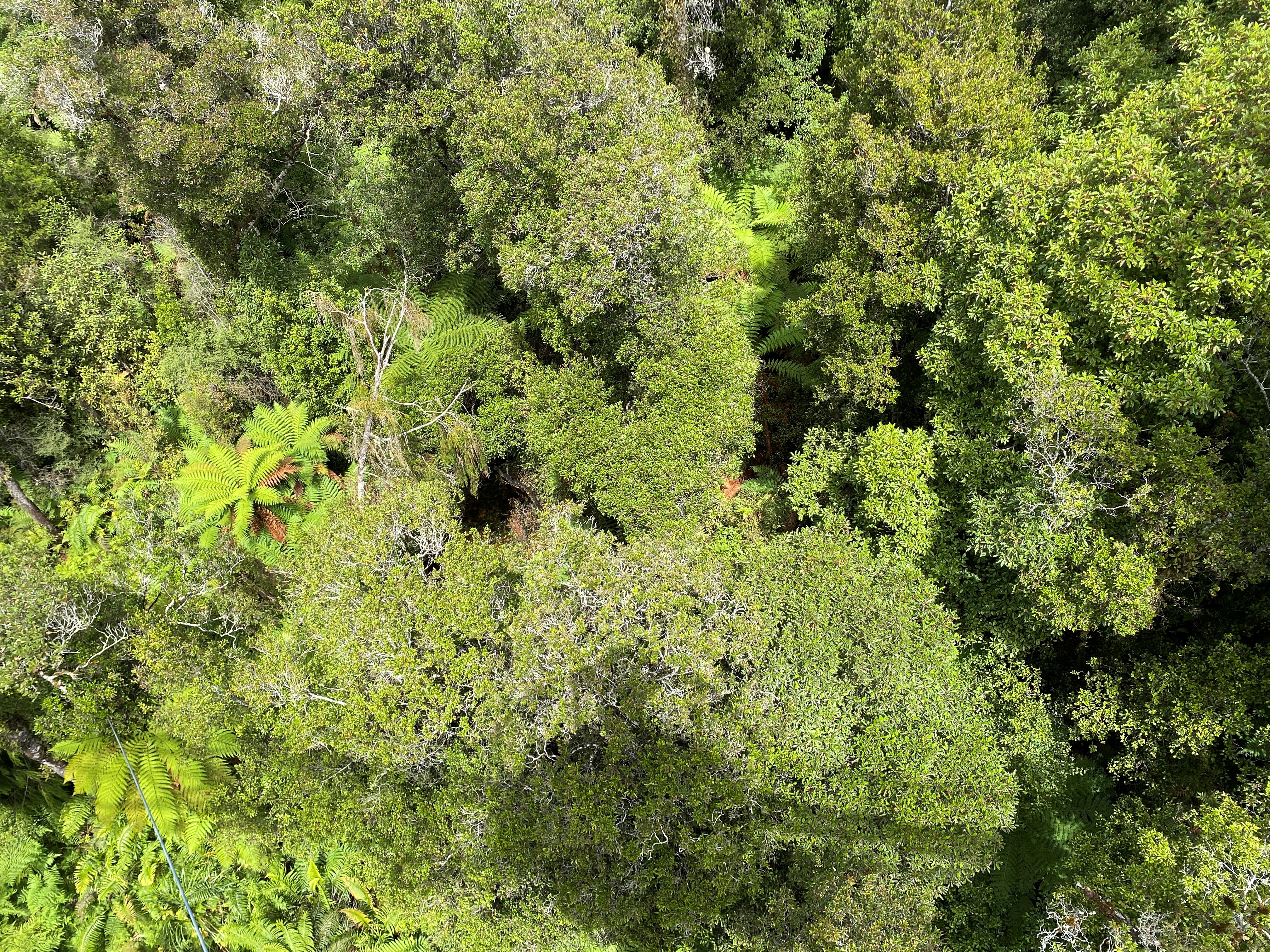
    Native Forest, Tauranga. You can’t see them, but AMF are in this photo! Photo by Ngaire Ferriss

    But it’s not all one-sided. AMF benefit too, receiving carbohydrates and fatty acids from the plants in return for their work. 

    It’s no secret that native Aotearoa ecosystems are struggling. Anthropogenic challenges, like climate change, deforestation, invasive species, and soil depletion (I could keep going), make it difficult for our native plants, and the fauna which they support, to thrive.

    The same goes for our valuable agricultural systems, which struggle with similar challenges. Luckily, a recent review of AMF in Aotearoa’s ecosystems suggests that these fungi may be able to help us out.  

    Aotearoa is home to 38 identified species of AMF. It is thought that there is functional specialisation across species, meaning that each species can offer different benefits to its host plant. 

    Kānuka forest, Paparoa. Kānuka commonly interacts with AMF. Photo by Ngaire Ferriss

    Studies show that AMF have the ability to improve plant growth. For example, kānuka and mānuka growth was significantly enhanced when AMF was added to the soil. Another study showed an increase in root and shoot growth in the sample apple trees. These benefits can assist with disease resilience, as greater size means greater defence. 

    Crop plants can also benefit from this growth. When New Zealand-made mycorrhizal products were applied to plants like lettuce and plantain it increased the size of the crops. Other plant species saw an improved nutrient uptake, which can assist with carbon storage in soils. Aside from helping plant health, this is a global warming win, locking carbon away and preventing it from accumulating in the atmosphere. And unlike chemical fertilisers, mycorrhizal products don’t contribute to soil depletion. While a great temporary solution, crops relying on fertilisers lack many of the components soil needs to thrive. On the other hand, AMF add organic matter, nutrient availability, and long-term soil health. 

    So far, it’s sounding pretty good. However, AMF isn’t the solution to all our problems yet. Research is expensive, and we currently lack knowledge on AMF species, functions, and relationships with plants. The next steps in advancing AMF research include increasing AMF culture collections, characterising communities at a precise level, and discovering associations with plant species. If this can happen, a whole world of benefits could be unlocked. Native plant diversity and abundance could shoot up with specific applications of AMF – increasing resilience to stress, enhancing growth, improving soil quality, and improving competition with invasive species. Agriculture could also be supported by these fungi, using crops which support diverse AMF communities. By making use of the skills of different AMF species, crop plants could enjoy increased nutrient uptake and resilience, creating more productive and sustainable farms.  

    It seems our secret weapon has been beneath our feet all along. Now that AMF have had their big introduction, perhaps they can help forge a new path toward healthier soils, healthier ecosystems, and a healthier Aotearoa.  

    This article was prepared by Postgraduate Diploma in Applied Science student Ngaire Ferriss as part of the ECOL608 Research Methods in Ecology course.
  • Is nitrogen the only driver of freshwater eutrophication?

    Is nitrogen the only driver of freshwater eutrophication?

    Imagine a typical stream or river running through farmland. It looks clear enough at first glance, but you start to notice something is not right. Algae begins appearing over time. The water quality gradually declines. Something is leaking into the ecosystem and altering the natural environment.

    So the question becomes: what is responsible?

    For a long time, scientists suspected a single culprit. But, in the early 2000s, soil scientist Andrew Sharpley and his colleagues, including Lincoln University researcher Professor Richard McDowell, set out to investigate why water quality problems persisted even when nutrient management practices were in place.

    Their research, published in Plant and Soil (Sharpley et al.,2001), revealed that nutrient loss from farms to freshwater was far more complicated than previously thought.

    Instead of one obvious offender, the evidence pointed towards two main suspects: nitrogen and phosphorus.

    Solving this mystery changed how we manage nutrients within agricultural landscapes.

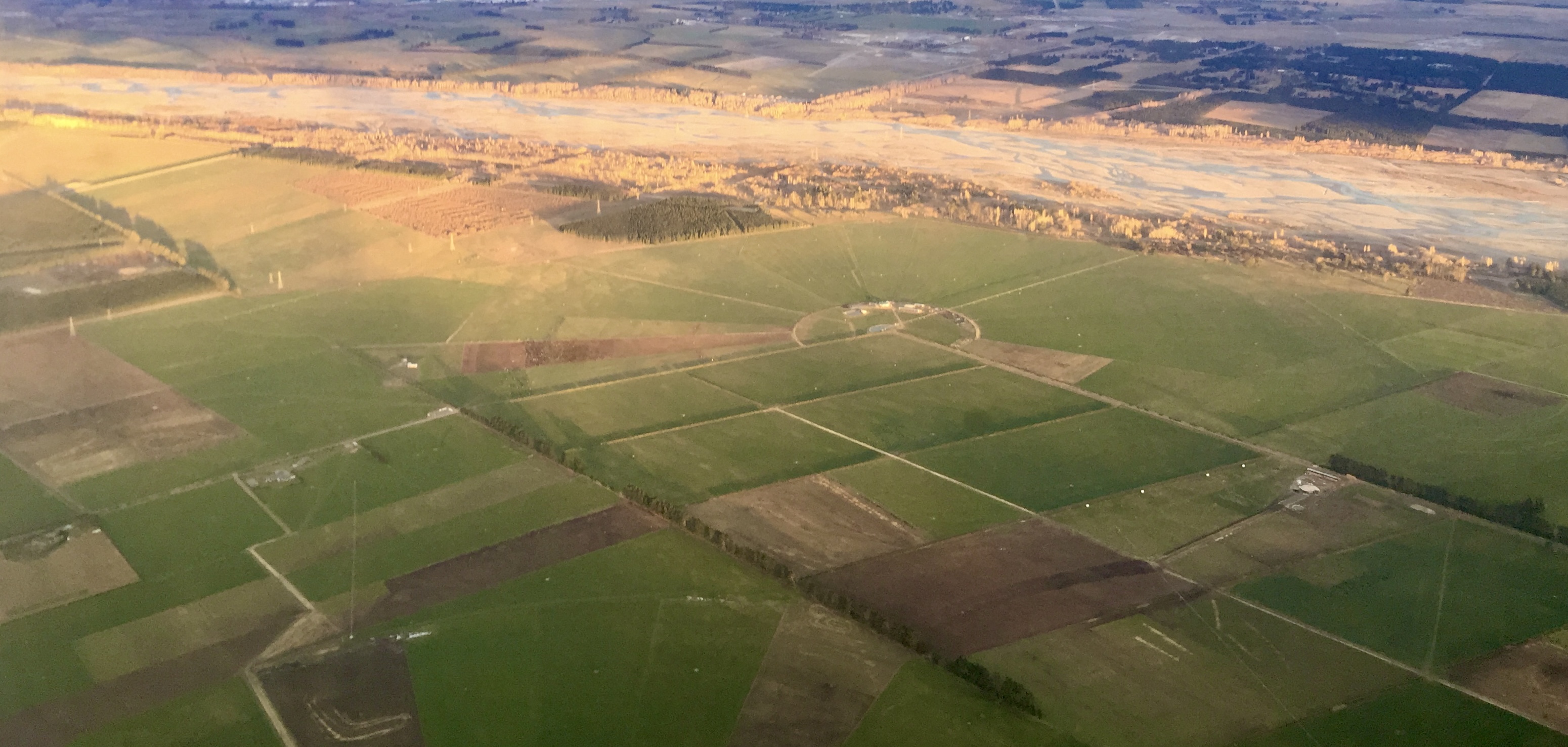
    Scoping the area over Waitaki River at Ikawai, Canterbury. Photo taken by author. CC-BY-NC

    Suspect #1: Nitrogen- a.k.a ‘the quiet traveler’

    Nitrogen moves easily through soil, making it difficult to trace back to its source.

    Unlike phosphorus, which tends to stick to soil particles, nitrogen is highly mobile. It likes to dissolve in water and travels easily through the soil profile into groundwater systems, ultimately reaching streams and rivers. Because of this MO (Method of Operation/ Modus Operandi), nitrogen losses often occur out of sight below the surface, making them harder to catch and manage.

    For a long time, nutrient management strategies focused heavily on the reduction of nitrogen loss. That made sense. If nitrogen moved easily through soil and into waterways, then controlling it should have solved the problem, right?

    Well it didn’t.

    Even when nitrogen losses were reduced and put under house arrest, freshwater quality issues often remained. This meant something else was involved… nitrogen had an apprentice picking up the slack.

    Suspect #2: Phosphorus- a.k.a ‘the one hiding in plain sight’

    Phosphorus has a different MO to nitrogen. Instead of traveling through groundwater channels, phosphorus often attaches itself to soil and sediment particles and is transported during rainfall and runoff events. Although dissolved phosphorus can also contribute to eutrophication, most phosphorus losses are strongly linked to surface processes, such as erosion and overland flow. It, essentially, disguises its movements during significant events, helping to evade detection.

    Sharpley and colleagues showed that this difference between nutrients matters. Managing nitrogen alone was not enough, because phosphorus followed different pathways through the landscape.

    Even more interestingly, strategies that were designed to reduce nitrogen loss sometimes came with unintended consequences. In some cases, the application of manure that was applied based on the crops nitrogen requirements, had repercussions that caused phosphorus to accumulate in soils, increasing the risk of phosphorus loss during runoff events.

    So the investigation suddenly became more complicated.

    It wasn’t just about catching one suspect anymore.

    An event that our suspect uses to disguise its movements while being attached to soil particles. This example is the Leith River, Otago, in flood. Photo taken by author. CC-BY-NC

    A breakthrough clue: location matters more than we thought

    By this point, researchers realised that nitrogen and phosphorus behave differently, travel through landscapes in different ways, and require different management strategies.

    One of the most important insights from this research was that nutrient loss doesn’t happen evenly across farms. Instead, it tends to occur in specific areas where high nutrient availability overlaps with the active transport pathways, such as runoff.

    These are known as Critical source areas.

    Think of them as the crime scene hotspots.

    Not every paddock contributes equally to nutrient loss. Some areas of the farm are more prone to loss than others, especially where saturated soils, slopes or drainage pathways allow for nutrients to move quickly into waterways.

    This changed the way scientists and researchers approached nutrient management. Instead of trying to control the nutrients everywhere at once, the attention shifted towards identifying the places where interventions would make the biggest difference.

    Following the evidence: the phosphorus index

    Once researchers realised that location played such an important role, they needed a way to identify where losses were most likely to occur. This led to the development of tools like the phosphorus index.

    Rather than simply measuring how much phosphorus was present in the soil, the phosphorus index combines information about soil phosphorus levels with landscape features, such as slope, runoff risk and transport pathways. Together, these factors help identify where phosphorus is most likely to leave the farm and enter waterways.

    Instead of treating entire farms the same way, the phosphorus index helps target management practices to the places that matter most.

    Almost like predicting the potential next target location.

    Example of potential critical source area where nutrient runoff and drainage pathways overlap. Photo CC BY-SA 2.0 by Doug Kerr.

    Plot twist: solving one problem can create another

    One of the most interesting outcomes from this research was the discovery that managing nitrogen and phosphorus separately can sometimes create trade-offs between them.

    Practices that were designed to reduce nitrogen losses can increase phosphorus accumulation in soils simultaneously. At the same time, strategies that reduce phosphorus runoff can increase nitrogen losses through drainage pathways.

    This meant nutrient management couldn’t focus on just one suspect anymore. Both needed to be considered together.

    That shift in thinking helped to reshape how scientists and land managers approach water quality protection today.

    Despite these advantages, the case is far from closed. Excess nitrogen and phosphorus continue to enter waterways in New Zealand and around the world, contributing to algal blooms, reduced water clarity, oxygen depletion and the degradation of freshwater ecosystems. While researches now have better tools to identify and manage nutrient losses, protecting water quality remains an ongoing challenge.

    Why does this case still matter?

    The work by Sharpley and colleagues helped move nutrient management away from simple nutrient solutions towards more integrated approaches that recognise how nitrogen and phosphorus interact across landscapes.

    Instead of asking how many nutrients are present, researchers began asking: Where are they most likely to move to?

    That question led to better tools, better targeting of mitigation strategies and a stronger understanding of how agricultural systems influence freshwater quality.

    By recognising that both nitrogen and phosphorus contribute to eutrophication through different pathways, scientists and land managers are better equipped to reduce excessive algal growth and protect the health of rivers, streams and lakes.

    The mystery of nutrient loss is far from completely solved. But thanks to research, we now know where to look and which suspects deserve the most attention.

    This article was prepared by Master of Science student Emma Meikle as part of the ECOL608 Research Methods in Ecology course.

    • Sharpley, A. N., McDowell, R. W., & Kleinman, P. J. A. (2001). Phosphorus loss from land to water: integrating agricultural and environmental management. Plant and Soil, 237(2), 287–307. https://doi.org/10.1023/a:1013335814593
  • Could spiders be our crop protectors?

    Could spiders be our crop protectors?

    We are currently living in the sixth mass extinction event. Human activities are driving a global reduction of species and a rapid loss of natural biodiversity. One of the significant contributors to this crisis is the intensification of agriculture, as farmers have resorted to chemical inputs to increase their yields. This approach is not environmentally or economically sustainable, with one million species facing extinction in the coming decade.

    But hope is far from lost. In order to combat this decline, there is a growing transition to Integrated Pest Management (IPM). IPM applies a strategic approach to pest control, integrating knowledge of plant-pest interactions and a combination of biological, cultural, and chemical methods.

    IPM enables natural ecosystems to function alongside, or within, productive food systems. Recent research suggests that spiders could play a key role in IPM, acting as a natural defence against pests in horticulture systems, reducing the need to rely on harmful chemicals.

    Spider feasting on its prey (ABCDee David, 2023)
    Spider feasting on its prey (ABCDee David, CC BY-NC 2.0, 2023)

    Since the end of World War II, the area of land used for agriculture has plateaued, yet the global population has continued to increase. In order to support the growing demand for food, agricultural systems have utilised chemical inputs, such as fertilisers, pesticides, and herbicides, to increase yields. But this efficiency has come at a cost.

    “Crop Spraying – Harvington” (by Mike Finn CC BY 2.0)

    Pesticides are different types of poison applied in agriculture and horticulture to treat pests, diseases, and weeds. Their application is not, typically, exclusive to a target, resulting in unintended harm to other species. The use of pesticides to increase efficiency has come at the expense of declining species and biodiversity, as well as our own health as humans.

    Despite the associated negative impacts, maintaining a productive agriculture and horticulture industry is critical for national food security, ensuring a reliable food supply to sustain the health and wellbeing of the population. In Aotearoa New Zealand, we are reliant on domestic production, for approximately 99% of our fresh vegetable supply, due to the perishable nature of vegetables and our distance from export markets.

    Horticulture also supports our economic well-being through significant export earnings, contributing $6.85 billion for the 2025 export season.

    DES Daughter, CC BY-NC-SA 2.0
    The use of pesticides in food production has the potential to poison our food (by DES Daughter, CC BY-NC-SA 2.0)

    How, then, do we ensure the success of our horticulture industry without jeopardising natural ecosystems and biodiversity?

    The answer to this question may be hidden in our childhood favourites. From the treacherous Shelob residing in the mountains near Mordor (Lord of the Rings), to Aragog and his kin haunting Hogwarts from the Forbidden Forest (Harry Potter), or the talented weaver Arachne embedded in Greek mythology. What all these characters have in common is: (1) they are spiders, and (2) they are infamous villains. Spiders have a reputation for being an enemy. This perception may actually be their greatest advantage.

    A team from Lincoln University and Plant and Food Research recently published a paper in the New Zealand Journal of Ecology (June 2025), reviewing the current literature available, on the use of spiders in pest management in Aotearoa New Zealand. The lead author, Nicola Sullivan, told Radio New Zealand (RNZ) that “Spiders are the most diverse and most abundant generalist predators in horticultural systems that have been seen overseas.”

    “Aragog” from Harry Potter (by Dellboyy Art, CC BY-NC-SA 2.0)

    International research shows that spiders, as per their reputation, are great natural predators against pests in horticulture systems. Spiders are generalist predators, preying on a range of species at different levels of the food chain and across all stages of life. Spiders are versatile, and able to live in a range of different environments. In order to capture prey spiders, deploy diverse hunting strategies, often killing prey in excess, capturing non-target species, or wounding prey.

    These traits increase the effectiveness of spiders in pest management by reducing the number of pests in the ecosystem that eat and damage crops.

    The world’s population of spiders, weighs 25 million tonnes, and are collectively responsible for hunting and eating between 400–800 million tonnes of insects annually. To put this into perspective, that is the equivalent of spiders eating the weight of 80–160 million elephants annually.

    The spiders’large appetite shows the potential benefits that they could provide if harnessed for pest management. In addition to being great predators, they are also an important food source to other predators, helping to support a thriving ecosystem.

    So, is the ancient proverb correct, is the enemy of my enemy my friend? Sadly, this question remains largely unanswered in New Zealand, with only eight studies focused on spiders in agroecosystems. None of these eight focus on the opportunities that spiders can provide for ecosystem functioning. This highlights a significant gap in our knowledge and the need for research in this critical subject area.

    “Spider” (by sama093, CC BY-NC 2.0)

    A few of the many benefits that spiders can provide in agroecosystems are demonstrated by the research of Hooks et al. (2003), who reported an 89% reduction in plant damage, and Zhang (1992), who successfully used spiders to control aphid populations.

    We must move fast to protect the endangered species, ecosystems, and the health of consumers. Future research should first look at understanding which species are present in New Zealand horticultural systems and in what quantities.

    This foundation would enable further research into how effective spiders are as a biological control agent, what factors influence their control effectiveness, whether they reduce the need for chemical inputs, and how their presence impacts other species in the ecosystem?  

    Today, I leave you to ponder if maybe spiders are not the villains we perceive them to be. Is it possible that the perseverance shown by the Incy Wincy Spider is exactly what the horticulture industry needs to protect our declining biodiversity?

    This blog was prepared by Brehana Venimore, a Master of Bioprotection student at Lincoln University, as part of an assignment for ECOL608 Research Methods in Ecology.

    Paper Reference: Sullivan, N. J., Stringer, L. D., Black, A., & Vink, C. (2025). Harnessing spider biodiversity for sustainable horticulture: A call for research and conservation in Aotearoa New Zealand. New Zealand Journal of Ecology, 49(1), 3600. https://doi.org/10.20417/nzjecol.49.3600

  • The war beneath your feet: soil decides the fate of plants

    The war beneath your feet: soil decides the fate of plants

    You stride through lush grasslands. The scenery seems perfect. But lurking just below your feet is a battlefield.

    It’s not an obvious one, of course. There are no bombs going off or explosions or yelling; but there are millions of tiny creatures locked in battle for resources and life. And whoever wins determines whether the plant life above it survives.

    This blog post has been inspired by research published in 2015 by scientists of Lincoln University, AgResearch, and their international colleagues. They examined whether soils from different pastures in New Zealand naturally inhibit soil-borne plant pathogens.

    Figure 1. Grass roots penetrating the soil. The majority of activities that affect plants occur below ground level. Source: iStock/Getty Images

    The Invisible Threat

    Many important plant diseases originate underground rather than from the aerial parts of plants, such as leaves. They attack plant roots and stems before visible symptoms appear above ground. By the time one notices any symptoms of disease, the damage may already have been done.

    And here is the scary part: these silent killers can reduce pasture productivity by 40–50%. Can you imagine how devastating it is to lose nearly half of your production to something unseen? Such is the case in pastures where crop rotation and chemical controls cannot always solve the problem.

    Instead of asking the conventional question, scientists started to wonder:

    What if the soil could defend itself?

    Soil Is Not Just Dirt

    It is easy to think of the soil as lifeless material, but this is far from the truth. Soil is one of the most biologically diverse ecosystems on Earth. A complete microbiota lives within it: bacteria, fungi, and other microorganisms interact continuously. While some assist plants in absorbing nutrients, others … kill them.

    Some soils inhibit diseases. Such soils are referred to as disease-suppressive soils, and their action falls into two categories:

    General suppression: the microbiota competes with the pathogen,
    Specific suppression: some microbiota attack the pathogen itself.

    Soils with high plant diversity likely contain more diverse microbiotas, which suggests a high disease-suppression capacity.

    But how can one measure such a phenomenon?

    A Clever Way to Test Soil

    The researchers developed an interesting experiment to test the soil under examination. Rather than using conventional grass or legumes that can be found on pastures, they opted for something completely out of the ordinary: kale.

    And why kale? This plant is not usually used on pastures. If disease does not occur, then it shows that the soil is pathogen-resistant in general.

    Furthermore, they exposed the plants to a well-known pathogenic fungus named Rhizoctonia solani. And this one leads to a specific disease called damping-off. Plants affected by the disease exhibit dark lesions near the base of the stem which cause plants to fall, like broken wires.

    So, basically, the process works as follows:
    Introduce the same plant into different soils;
    Infect the plant with the same pathogen;
    Observe the results.

    Figure 2. Seedling damping off showing dark spots on stem bases. Seedling damping off may result in death of the seedling before establishment. Image credit: AA Seif and AM Varela, icipe. Source: CABI PlantwisePlus Knowledge Bank.

    All Soils Are Not Equal

    The experiment was conducted using four New Zealand pasture soils, including Lincoln, Eyrewell, Rotorua, and Kurow soils.

    Same plant. Same pathogen. Entirely different results.

    Some soils promoted rapid spread of pathogens; others reduced their effect considerably. There were significant differences between disease levels in the various soils.

    • Final disease levels were highest in Rotorua soil.
    • Disease progression rate was highest in Kurow soil.
    • Lincoln soil displayed maximum resistance, with minimal disease levels in the control.

    Same experiment. Different soil. Entirely different results.

    And here comes the moment when it all becomes evident:

    Soil is not just a neutral element. It actively influences the experiment.

    If a soil keeps plants healthy, it’s suppressive. If plants collapse… not so much.

    Figure 3. Sampling the soil is essential for research purposes on the properties and disease suppression abilities of soils. Image credit: William, Adobe Stock. Source: Farmers Weekly.

    The Twist: Some Soils Had Been Infected Already

    Without even having introduced the pathogen, some soils exhibited symptoms of infection. For instance, in Kurow soils, damping-off disease symptoms appeared in the control group as well. This indicated that the pathogen was already present but dormant until the required environmental conditions prevailed.

    It could be termed an underlying threat embedded in the soil. Furthermore, pathogens, such as Rhizoctonia solani, can survive between successive cropping seasons, affecting both pastures and future agricultural crop growth.

    It’s Not Only “How Many” but Also “How Quickly”

    Besides assessing how many of the plants became diseased, the authors also took into account the dynamics of disease development. Why does this matter?

    This is important because a slowly developing disease will allow the plants to develop properly before being affected. The faster moving disease will kill them much earlier.

    Two metrics were used to assess this:
    Disease Incidence (DI) – number of infected plants at the end;
    Area Under Disease Progress Curve (AUDPC) – a measure of disease development over time.
    Imagine that:
    DI is the final result
    AUDPC is the whole game
    And often, their narratives may be very different.

    Why It All Matters

    It isn’t just scientific research for research’s sake. With knowledge of how soils resist disease, we could:

    • Improve our soil management techniques,
    • Cut down on chemical use,
    • Increase productivity from our crops and pastures,
    • Create a more sustainable agricultural process.

    Rather than battling pathogens directly, we could fortify our soil against disease.

    That’s where it gets revolutionary.

    The Bigger Picture

    Agriculture of the future may rely less on adding things to soil…
    And more on what is already thriving beneath its surface.

    When you look at a flourishing farm, remember this:
    It is not only the plants that prosper. There is an entire ecosystem underground, sustaining all life. And in this unseen world, each microbe counts in the battle beneath our feet.

    This blog was prepared by Vikram Shankar Malagi, a Master of Bioprotection student at Lincoln University, as part of an assignment for ECOL608 Research Methods in Ecology.

    References:

    Dignam, B. E. A., O’Callaghan, M., Condron, L. M., Raaijmakers, J. M., Kowalchuk, G. A., & Wakelin, S. A. (2015). A bioassay to compare the disease suppressive capacity of pasture soils. New Zealand Plant Protection, 68, 151–159.

    http://www.nzpps.org/nzpp_abstract.php?paper=681510


  • Polka dots, patches and pinstripes? Productive pasture patterns

    Polka dots, patches and pinstripes? Productive pasture patterns

    Do I need to apologise for the overly alliterative title? The excessive use of P’s aside, this title is still ridiculous, who has seen a polka dot pasture? Or a pinstripey paddock? They sound like a figment of Dr. Seuss’ imagination!

    But they’re not, it’s science – an ingenious recipe, mixing landscape design, with a pinch of ecology, and a tablespoon of agriculture. Let’s get cooking!

    When did we (and by we I mean the human race/ Homo sapiens/ mankind/ womankind/ humanity/ Earthlings), when did we decide that livestock grazing pastures were to be squares of fenced grass? It was probably somewhere around 12,000 years ago when we stopped being nomadic and started agricultural farming.

    Fenced grass pastures work, they have been working for thousands of years. But times they are a’changing (insert a “back in my day…” quote here). The human population (no more we’s, it’s getting serious now) has swelled into the billions (8,286,120,266 at the time of writing), requiring massive agricultural landscape expansion to sustain us.

    There is no better example of this than where I live; the Canterbury Plains of Aotearoa New Zealand. Less than 0.5% of Canterbury Plains’ native bushland has survived the ever-expanding agricultural and residential landscapes. This is where we run into our big pinch of ecology – if we were to put the native plants and animals back, where would they go?

    The answer – into polka dots, patches and pinstripes.

    I’ll explain what the patterns are about, as I know you’ve been waiting patiently. They are landscape design patterns of native woody plants within an agricultural livestock pastural setting. They are the answer – cohabitation of native habitats and productive farming, all within one landscape.

    Lincoln University‘s multi-disciplinary researchers, James Eggers, Shannon Davis, Crile Doscher and Pablo Gregorini, are the large brains behind this pioneering conceptual design. In their study, they list ideal native woody plant species that can be used to both enhance livestock welfare and restore bush habitats for native birds.

    Now we’re cooking with renewable energy, and we’re baking three cakes in one pan – through increasing foraging opportunities for livestock, providing shade and shelter for these livestock, and establishing native bird sanctuaries. Wow!

    Picture this – you’re a farmer and this is your Canterbury Plains farm. Nice, right! You have multiple grass paddocks where you graze sheep and cattle. In reality, this is Lincoln University’s Ashley Dene Farm which was used as a case study for this research, but in this virtual Blog, it’s yours.

    Figure 1: Aerial view of Ashley Dene Farm Image © 2023 by J. Eggers et. al. Licensee MDPI, Basel, Switzerland. CC-BY 4.0

    Let’s say you want to increase foraging opportunities for your livestock. You know that foraging woody vegetation has long been recognised as beneficial. Woody vegetation tolerates poor soils and weather conditions. It provides a range of nutrients and medicinal properties for optimal livestock health. Also, a diversity of forage enhances livestock consumption and can lengthen the grazing season. Finally, foraging allows livestock to exhibit natural browsing behaviour, thereby boosting welfare.

    Lucky for you, thanks to this research, we have a list of optimal foraging native shrubs and small trees (shorter plants for livestock access) selected for palatability, tolerance for browsing and growth rate. Now for the fun part – how to arrange these plants. We have three patterns…

    Polka dots (or patches): vary in size and are placed within pastures. The central area is fenced to prevent overgrazing and to accommodate natural seedling regeneration.

    Figure 2: Polkadots. Image © 2023 by J. Eggers et. al. Licensee MDPI, Basel, Switzerland. CC-BY 4.0

    Spreading: balances access to forage, preventing over browsing through the use of a central fenced off strip. It preserves maximal grazing pasture by running along pre-existing fence lines. Livestock can be moved between paddocks/sides of the spreading forage to allow for regeneration on one side whilst the other is browsed.

    Figure 3: Spreading. Image © 2023 by J. Eggers et. al. Licensee MDPI, Basel, Switzerland. CC-BY 4.0

    Pinstripes (or just stripes): maximises foraging opportunities and is compatible with farming that uses large machinery. The stripes are within a single paddock, placed 40 m apart for optimal browsing, and temporary fencing is used to designate/restrict feeding areas.

    Figure 4: Stripes. Image © 2023 by J. Eggers et. al. Licensee MDPI, Basel, Switzerland. CC-BY 4.0

    Back to your hypothetical farm, you now have an amazing amount of native forage for your livestock. However, with your farm being on the Canterbury Plains, it is constantly hounded by northeasterly, hot northwesterly, and cold southwesterly winds. Your animals need shelter. Shade and shelter for livestock reduces heat/cold stress, excess moisture loss, improves animal wellbeing, increases feed intake and lamb survival rate.

    Here is a native solution with multiple benefits, no more English hedgerows that provide little to no food for wildlife. Native trees and dense shrubs are selected for their height, shade, canopy, and provision of shelter. Unlike the foraging designs, these shelter patterns are fully fenced off to allow for optimal plant growth without the pressure of grazing.

    Straight shelter: a pretty straight-forward design (see what I did there) providing shelter in areas of limited space.

    Figure 5: Straight shelter. Image © 2023 by J. Eggers et. al. Licensee MDPI, Basel, Switzerland. CC-BY 4.0

    Meandering shelter: similar to the straight design, however, with a greater width to act as a wildlife corridor and habitat.

    Figure 6: Meandering shelter. Image © 2023 by J. Eggers et. al. Licensee MDPI, Basel, Switzerland. CC-BY 4.0

    In-paddock shade trees: taller trees are placed through paddocks, in groups or individually, to provide shade. There is no underplanting to allow for a cooling breeze.

    Figure 7: In-paddock shade trees. Image © 2023 by J. Eggers et. al. Licensee MDPI, Basel, Switzerland. CC-BY 4.0

    Ah, that’s nice. Now your sheep and cattle are well fed and comfortable. The productive capacity of your farm is in order. But, you also care deeply about native wildlife and want to do everything you can to protect them (but not with a loss of productivity for your farm). Is this possible? Well, let’s see…

    James and his team designed native bird bush habitats around a wetland corridor, an area of pre-existing mature trees, and a densely planted area. Densely planting native bushland are better at dealing with edge effects, reducing the distance that light and sound pollution can travel into the patch, and increasing bushland’s suitability for sensitive birds (like kererū). The mature trees act as nurse species for the native seedlings and the wetlands will breed waterborne insects – an additional snack for many bird species.

    Whilst the forage and shelter plantings were determined by the needs and landscape of the farm, placement of bush habitats required consideration of the wider landscape. Preference was given to the native bird habitat locations as they had specific requirements. Native bird habitats must connect to a wider established ecological network for birds to be able to travel to the site (within 5-25km distance dependent on the bird species). Amazingly, native bird abundance can almost quadruple with the addition of restored bushland to agricultural landscapes. This research identified ultimate native plants that provide bird food sources and nesting sites.

    Figure 8: A comparison of your farm with and without native woody vegetation additions in a combination of design patterns for livestock forage, shade and shelter and native bird bush habitats. Image © 2023 by J. Eggers et. al. Licensee MDPI, Basel, Switzerland. CC-BY 4.0

    So now you have an ideal farm! It balances livestock productivity and native bird habitats through adding an abundance and variety of native plants (an increase of 30% woody vegetation in the case study farm). And yes, there may be a reduction in the grazing land area, but, this is offset by increased forage vegetation, combined with fallen organic matter improving soil health and productivity. The addition of native bird habitats will likely have little impact on farming operations.

    Forage patterns can be integrated into shelter patterns to maximise land use for grazing. Likewise, forage plantings can be placed next to bush habitats to create multifunctional areas. Shelter and forage plantings can complement the bush habitats, by acting as wildlife corridors, edge habitats, and increase plant species diversity. Your imagination is the limit when it comes to combining and implementing the design patterns, however, site specifications, soil types, climate conditions, livestock density, paddock use, and wildlife reserve proximity need to be considered… so maybe your imagination isn’t the limit, as every farming landscape has different specifications.

    We are achieving an agricultural ecological landscape in one location, with broader ecosystem benefits. Restoring and integrating native habitats into farming practice can encourage others to follow, and together we can support the revival of native birds to our currently fragmented landscape. This research kneads together two strong cultural identities of Aotearoa New Zealand – its rich farming history and outstanding natural biodiversity – fortifying and concentrating both.

    As these Patches, Polka dots, and Pinstripes do sound like a Dr. Seuss story, it is only appropriate to end with,

    “Unless someone like you cares a whole awful lot,

    nothing is going to get better.

    It’s not.” – Dr. Seuss’ The Lorax

    So thanks to all of you reading this, farmers or not, I know that you care a whole awful lot.

    This article was prepared by Klara Royster, Master of International Nature Conservation student, for an assignment in ECOL608 Research Methods in Ecology.

    Reference Research Journal Article: Eggers, J., Davis, S., Doscher, C., Gregorini, P. (2023). Enhancing Multifunctionality in Agricultural Landscapes with Native Woody Vegetation. Sustainability Journal, 15, 11295.

  • Amaizing distribution: nematode infestations of NZ corn

    Amaizing distribution: nematode infestations of NZ corn

    Are your maize plants growing well in the field? If not,we can often blame plant parasitic nematodes.

    There are around 4100 known species of nematodes and they cause a considerable loss of agricultural produce, with estimated global crop damage of $US 358 billion every year.

    The life cycle of these plant parasitic nematodes have four stages, and the second-stage juvenile (J2) is the destructive phase. Most nematodes are sedentary inside the host and others survive in the soil.

    Written by Sambath in behavior, conservation, front page profile, invasive species, student blog, Uncategorized, zoology, pest management

    In the 2021/22 NZ growing season, about 196,000 tonnes of grain and 1,200,00 tonnes of silage were harvested, making maize one of the most cultivable crops in New Zealand. Around 58% of the harvest was grown for livestock feed demand, and the remaining 42% was for food and industrial processors.

    Plant parasitic nematodes are common in New Zealand and many horticulture industries have experienced a substantial loss of profits from these destructive plant pests. While maize is one of the most crucial crops in this country reported to be damaged by various species of nematodes, few studies have been conducted here compared to other countries.

    So, Nagarathanam Thiruchchelvan, a PhD student at Lincoln University, and his team conducted research to identify and quantify plant parasitic nematode infestations of maize production across New Zealand. Their purpose was to investigate the prevalence and diversity of several genera of plant parasitic nematodes.

    Plant parasitic nematode feeding types. Image from Paulo Vieira & Cynthia Gleason

    The researchers collected a total of 384 composite soil samples from 25 maize fields located in the North and South Islands, focusing on: Canterbury, Waikato, and Manawatu-Whanganui. Data collection was carried out at various maize growing stages and seasons during 2022.

    It was not good news!

    The researchers found that at least one genus of plant parasitic nematode was detected in 378 (98%) of the maize samples. Pratylenchus was the most prevalent and widespread genus (91%) followed by Helicotylenchus (38%).

    Plant parasitic nematode. Image from Scot Nelson

    The plant parasitic nematode population and diversity were higher in Canterbury than in Waikato and Manawatu-Whanganui. Thiru and his team believed that the inconsistent distribution was caused by different climate and geography conditions between the two regions. For example, the South Island is more diverse in soil physiochemical proportions than the North Island.

    Thiru also observed that soil orders, a soil classification system, affected the proliferation of plant parasitic nematode populations, with brown and pallic soil types promoting nematode reproduction, especially for Pratylenchus. Pallic soils refer to a soil type having pale, fragile topsoil and compacted subsurface. For the brown soil, its topsoil is dark grey-brown, and the subsoil is tan or yellowish-brown.

    The lowest number of plant parasitic nematodes was detected in organic soil. Organic-rich soils favor a wide range of beneficial fungi, bacteria, and nematode survival. These microorganisms can suppress the proliferation of plant parasitic nematodes by either feeding on eggs or predating invasive nematodes.

    The study further indicated that the population and diversity of plant parasitic nematodes increased alongside distinguishing developmental stages of maize. Most nematodes were reported from the harvesting stage, while the least were from the seedling stage.

    Root-knot nematode (Meloidogyne enterolobii). Image from Jeffrey W

    Thiru and his team noticed that rotating maize with other crops played a significant role in reducing the incidence and prevalence of plant parasitic nematodes in the field. These other crops included ryegrass, pasture, wheat, white clover, potato, peas, and winter crops. One maize field located in Canterbury was detected with a high significant intensity of 3000 nematode root lesions per kg of roots as a result of non-rotation practice.

    Thiru concluded that there was a requirement for a deeper understanding of dispersal, feeding characters, and life cycle of plant parasitic nematodes, in particular, root-lesion nematode (Pratylenchus) in maize fields across New Zealand. Specific pest management approaches are needed to control the prevalence and abundance of targeted nematodes impairing maize production in both islands.

    These article was prepared by Sambath Seng, a Master of Science student in the Department of Pest Management and Conservation at Lincoln University.

    Thiruchchelvan, N., Kularathna, M., Moukarzel, R., Casonato, S., & Condron, L. M. (2024). Prevalence and abundance of plant-parasitic nematodes in New Zealand maize fields: effects of territory, soil orders, crop stage, and sampling time. New Zealand Journal of Zoology, 1-22. https://doi.org/10.1080/03014223.2024.2424900

  • New Zealand’s most stubborn weed

    New Zealand’s most stubborn weed

    Cirsium arvense is commonly known as the Canada thistle in USA and Californian thistle in Canada. No one wants to take responsibility for these prickly things. They actually come from Europe where they are called creeping thistles.

    This thistle is a small weedy plant that can be a potential nightmare for New Zealand farmers. According to the NZ Ministry for Primary Industries, (2021), it cost the country $722 million in lost revenue in the year 2020 alone, up from $31 million in 2009.

    Photo by Make It Old (Flickr User)

    Given the disruptive nature of this weed, Wendy Kentjens, a budding weed ecologist with the passion for gardening, along with her supervisors, Seona Casonato and Clive Kaiser, decided to learn more about controlling the Californian thistle population on New Zealand pastures.

    To understand why Californian thistles are so weedy, Wendy decided to study the interesting microscopic world of the endophytes living inside, and how they may help or hinder the plant.

    Sounds straight forward! Well, it was far from that.

    Here is a summary of the challenges Wendy faced while carrying out research on Californian thistles.

    ‘Ah the prickly little devils…’ – Working with the thistles meant cuts and scratches all through the research.

    ‘Miss Unpopular, conducting pot trials at the nursery.’ – Turns out, planting weeds that no one likes is a fast way to make some frenemies.

    ‘The sheep ate my data!’ – Wendy found that the sheep initially didn’t eat thistles on pastures, but when they got infected with a rust fungus (Puccinia punctiformis), it made it very tasty for the sheep. She talks more about using rust fungas as a biocontrol agent in her paper “Californian thistle (Cirsium arvense):endophytes and Puccinia punctiformis” (Kentjens et al., 2024).

    ‘Hard to photograph the entire plant.’ – It can be really hard to see all the features of a plant from a single photo; Wendy’s mum made her a pencil drawing of the weed for her thesis.

    Figure drawn by Marion van Cruchten


    How do you find the microscopic endophytes within the thistle?

    To find all the endophytes present in these thistles, the bottom, the middle, and the top leaf of the plant were all cut into small 5 mm2 pieces and placed in a petri dish over a growing medium. Then, spore by spore, each different looking fungus was isolated into new growing dishes and incubated.

    Voila! Now Wendy had pure cultures of all the fungi she had found and was all ready for the next step.

    DNA from these pure fungal cultures was collected and identified.


    What did they find inside?

    A total of 88 genera of fungi were cultured from the plant tissue, of which 65 were not previously associated with Californian Thistles.

    The diversity found was a significant increase in our understanding of this infamous weed and what lives within its structure that makes it supposedly invincible.

    Fungal biocontrol can be an effective tool against these weeds. However, Endophytes can alter outcomes of a host–pathogen interaction. A recent study published by Manaaki Whenua (Landcare Research), found that 60% of all rust fungus released as biocontrol had a medium effect on the weed host or a variable effect. Around 15% of all rusts released as biocontrols have failed to become established at all.

    There could be a number of reasons for the variable or unsucessful results. In the case of the invasive Japanese knotweed (Fallopia japonica), two of the endophytes accociated with the weed (Alternaria sp. and Phoma sp.) hindered the establishment of fungal biocontrol by suppressing the production of rust pustules (raised masses of coloured spores that rupture epidermal leaf tissue). (Den Breeyen et al., 2022).

    Understanding these organisms living within the thistle will help future studies on the effective use of fungal biocontrol in fighting these “lovely” weeds. Looking at the endophytes and how they are helping these weed propogate so sucessfully will help us get one step ahead of it and hopefully find biocontrol agents that can circumnavigate these endophyte-host relationships.

    Note that the figure drawn by Marion van Cruchten is currently under review by the European Journal of Plant Pathology titled ENDOPHYTIC DIVERSITY AND COMMUNITY COMPOSITION OF CIRSIUM ARVENSE TISSUES OVER A GROWING SEASON. Authors Wendy Kentjens, Seona Casonato, and Clive Kaiser

    This article was prepared by Master of Science student Dee Patel as part of the ECOL608 Research Methods in Ecology course.


    References:

    Den Breeyen, A., Lange, C., & Fowler, S. V. (2022). Plant pathogens as introduced weed biological control agents: Could antagonistic fungi be important factors determining agent success or failure? In Frontiers in Fungal Biology (Vol. 3). Frontiers Media S.A. https://doi.org/10.3389/ffunb.2022.959753

    Kentjens, W., Casonato, S., & Kaiser, C. (2024). Californian thistle (Cirsium arvense): endophytes and Puccinia punctiformis. In Pest Management Science (Vol. 80, Issue 1, pp. 115–121). John Wiley and Sons Ltd. https://doi.org/10.1002/ps.7387

    Kentjens, W., Casonato, S., & Kaiser, C. (2024). Endophytic genera in californian thistle (Cirsium arvense (L.) Scop.). Australasian Plant Pathology, 53(2), 199–210. https://doi.org/10.1007/s13313-024-00972-w

    Ministry for Primary Industries. (2021). Economic costs of pests to New Zealand (Nimmo-Bell & Associates, Ed.; Paper No: 2021/29). Ministry for Primary Industries. https://www.mpi.govt.nz/dmsdocument/48496-Economic-costs-of-pests-to-New-Zealand-Technical-report

    – figure drawn by Marion van Cruchten is currently under review by the European Journal of Plant Pathology titled ENDOPHYTIC DIVERSITY AND COMMUNITY COMPOSITION OF CIRSIUM ARVENSE TISSUES OVER A GROWING SEASON. Authors Wendy Kentjens, Seona Casonato, and Clive Kaiser

  • The Magical World of Grass and Clover

    The Magical World of Grass and Clover

    *Disclaimer: This article contains Harry Potter references

    After four years of living and studying together, you would think you know someone pretty well. Alas, last week it turned out one of my flat mates had never seen (or read) Harry Potter… shocked, heartbroken, and outraged – the only way to solve this flat feud was to start from the beginning and watch Harry Potter and the Philosopher’s Stone.

    The next day, it was back to study. However, I couldn’t get the wizarding world out of my mind, especially knowing that the second movie, the Chamber of Secrets, was scheduled for that night. It got me thinking. Every hero has a sidekick. Batman and Robin, Frodo and Sam, Harry and Ron. But what if these iconic heroes don’t only exist in the worlds of Gotham City, Middle-earth, or Hogwarts. What if the heroes on this earth have sidekicks too?

    Legumes (like clovers) are heroes. Destined for greatness and capable of incredible things, they can capture nitrogen (N) from the atmosphere and convert it into ammonia, a biological form of nitrogen that fuels the ecosystem. Farmers often incorporate clovers into their pastures to provide nitrogen into the system. Because of their magic-like nitrogen capturing abilities, clovers boost the growth of neighbouring grasses and create an increase in food quality and quantity for grazing animals.

    White Clover (Trifolium repens). CC BY 2.0. Harry Rose

    It is generally understood that this is a one-way relationship, meaning clovers are humble heroes that provide N to the grasses and plants surrounding them. However, through my muggle research, I came across a recent study titled “Grasses procure key soil nutrients for clovers” by PhD student Zhang Wei.

    Could it be? A sidekick to our green three-leaf (sometimes four if you’re lucky) hero?

    Wei and his team questioned whether we properly understand the relationship between clovers and grasses. For the purpose of this article, let’s think of clovers and grasses as characters to understand better their relationship and how they work together.

    Perennial Ryegrass (Lolium perenne). CC BY-SA 4.0. Michel Langeveld

    Different plant species have various magic-like abilities to acquire nutrients. Grasses, for example, are potion makers and can release chemical substances into the soil to make elements such as iron (Fe), zinc (Zn), copper (Cu), and manganese(Mn) more available in the soil. Other plants call on the Room of Requirement and collaborate with fungi to increase access to nutrients through the fungal networks. Like how the Room of Requirement appears for those who need it most, fungi create symbiotic relationships with plants, enabling more nutrients to ‘appear’ and become more accessible in the soil. And clovers, as you now know, use their spellwork to fix atmospheric nitrogen (N).

    However, just like the spell “Wing-gar-dium Levi-o-sa” requires a certain pronunciation, N fixation requires a certain nutrient – phosphorus. Phosphorus is a nutrient constantly in high demand for clovers due to N fixation being such a taxing process.

    Zhang Wei and his research team carried out experiments to better understand how grasses influence the nutrient availability for clovers. Clovers and grasses were grown separately in individual pots, much like Harry living alone in the cupboard under the stairs. They were also grown together in shared pots, similar to Harry and Ron bunking together at Hogwarts. Measurements were then taken from the soil and leaves in all the pots to understand how the clovers and grasses influence each other’s growth.

    The researchers found that grasses promoted the growth of clovers when grown together. This was evident when higher amounts of nutrients such as nitrogen (N), phosphorus (P), potassium (K), and sulphur (S) were found in clover leaves growing with grasses compared to clovers that grew alone. Grasses give clovers a boost in accessing essential nutrients, much like how Ron supports Harry, offering the strength and loyalty he needs to face He-Who-Must-Not-Be-Named.

    Mixed sward of White Clover (Trifolium repens) and pasture grasses growing together. Nicole Parnell. 2025.

    Additionally, more biomass was achieved when both clovers and grasses were grown together compared to when they were grown apart. How would Harry have gotten through his years at Hogwarts without his friends by his side? They achieve more when they work together. By sharing their resources, the plants could increase their biomass, which boosts livestock feed while lowering fertiliser demand.

    The muggle authors acknowledge that more research is needed to fully understand the complexities of how nutrients move through the soil in plant communities like this, especially under field conditions. In 2023, Zhang Wei and his supervisors took the study into the field and, once again, saw enhanced legume growth when grown alongside a diverse range of pasture grass species. Think of Harry’s resilience and leadership, Ron’s loyalty and humour, and Hermione’s intelligence and discipline, all of which work together to create a strong, unbeatable partnership. Similarly, there is an enhancement of nutrient uptake in diverse pastures with legumes (including native legumes) and grasses. This suggests a possible reduction in fertiliser requirements in pastures with increased plant diversity.

    A study that referenced Zhang Wei’s work similarly found that plant mixtures with various legume and grass species reduced intraspecific competition, a term that explains competition between individuals of the same species (think Gryffindor vs Slytherin). This means that the growth and productivity of both legumes and grasses were further enhanced when grown together.

    Zhang Wei’s PhD study provided further insights into the flow of nutrients within plant communities, demonstrating that grasses also play a vital role in nutrient availability and enhancement. This study builds on the argument that pasture diversity can reduce reliance on artificial fertilisers and promote sustainable farming methods. These methods can increase the ecosystem’s stability, making it more resilient to disturbances such as droughts and/or floods. Like any partnership, growing together makes them stronger.

    That’s where the magic happens.

    This article was prepared by Master of Science student Nicole Parnell as part of the ECOL608 Research Methods in Ecology course.
  • How to help lizards in your back yard/paddock

    How to help lizards in your back yard/paddock

    Has your cat ever brought in a nice present only for you to find it’s a lizard? Have you seen a lizard scutling away on a nice sunny summer’s day while walking around the garden? Well, you may have lizards residing in your back yard!

    In New Zealand we have over 125 different lizard species, 76 are skinks and 48 are geckos, all but one one skink species is native. Of these 126 species, 49 (~36%) are Threatened and a further 67 (~50%) are At Risk (Hitchmough et al., 2021). Therefore 86% of our lizard species are threatened by various factors, such as predation, urbanisation, habitat fragmentation, and agricultural intensification.

    We all need to play our part to ensure that lizards do not continue to decline.

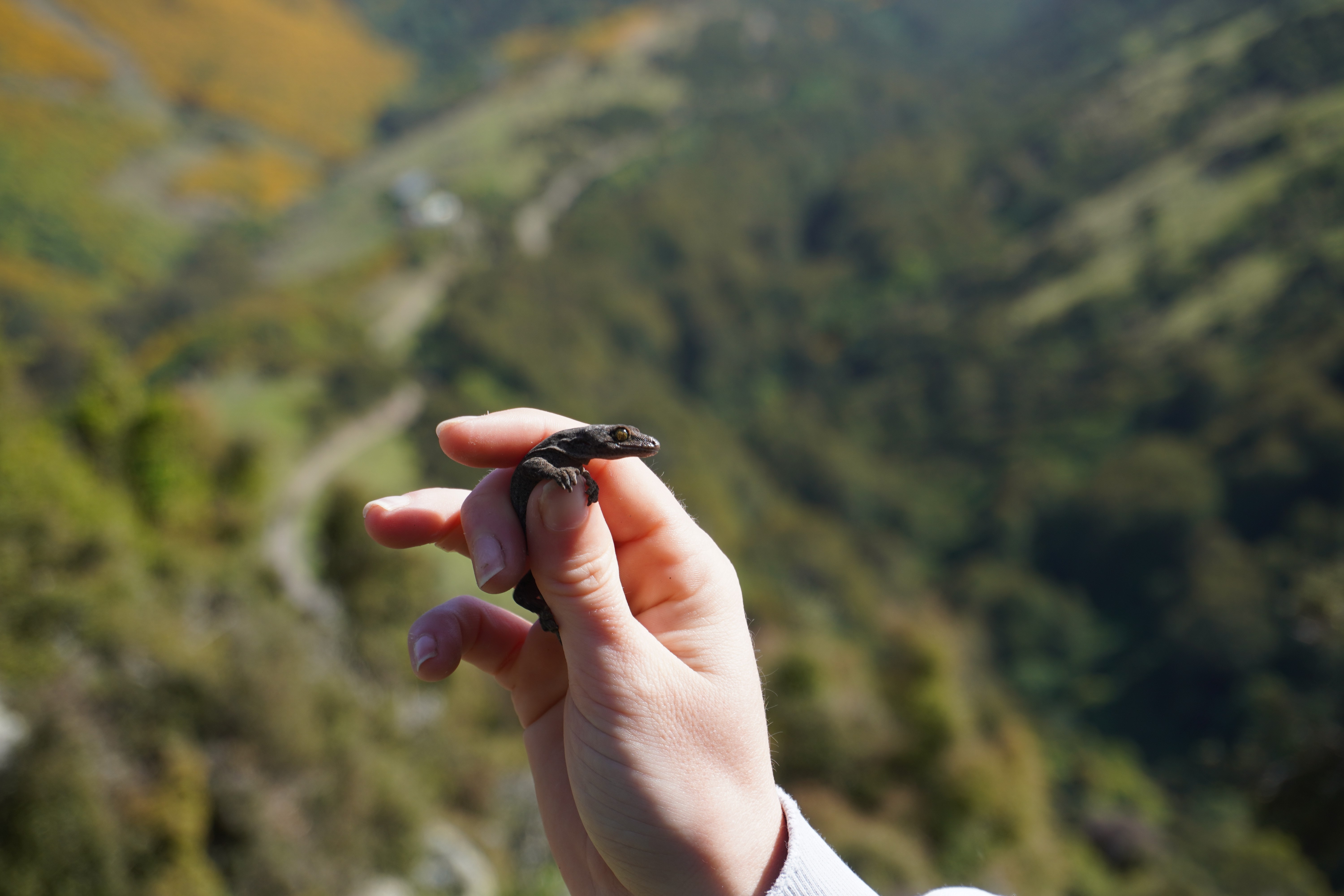
    There are simple tools we can use that can help the lizards in our back yard. Skinks love to hide under rocks and in small gaps when startled. Geckos love to live in tight crevices, like spaces in wood, stone and even in various human-made structures (e.g. power boxes and garages).

    We can create structures called Artificial Retreats (ARs) that mimic these natural retreats that lizards love so much. Artificial Retreats are a tool that we can easily implement that can support vulnerable lizards.

    Currently, artificial retreats have been designed for scientific monitoring and are commonly constructed from roof-cladding Onduline sheets, which isn’t an easily accessible or cheap material. My thesis investigated two other alternative designs that are constructed in a manner that is easily accessible to landowners and public members keen to do their part in lizard conservation.

    One AR type was constructed from a stack of three bricks (Figure 1) that have a 10 mm wooden dowel stuck between each layer so that the lizards can easily move between them.

    The second was constructed from two plywood sheets (Figure 2), bolted together, with the 10mm dowel in between the sheets.

    The third was the common Onduline design (Figure 3). I tested these ARs across Canterbury farms located at Cleardale Station in the Rakaia Gorge, as well as Flea Bay and Goughs Bay on Banks Peninsula.

    I captured 26 lizards to test in the three AR designs and there was no preference among the three. However, the geckos at Cleardale Station preferred some designs more than the Flea Bay lizards. At Flea Bay, the lizards were more commonly found in the brick (46%  of all geckos) whereas at Cleardale they didn’t use the brick ARs. At Cleardale Station, a equal number (17%) were found in both Onduline and wooden ARs. At Flea Bay, 17% lizards were captured and only 4% of lizards were found in the Onduline design at Flea Bay.

    Depending on the location of the property and the species of lizards present, there will be differences in which AR they prefer. Having an option of several different AR designs is preferable. 

    During the field trials I found that the ARs did not withstand heavy stock (cattle)interactions and were frequently interfered with. However, I did not have any problems with ARs placed in sheep paddocks.

    Landholders can implement any or all three of the designs into their property and all have a chance of lizard occupation. A variety of designs means that landholders can choose which AR design to use based on what available materials they have.

    Having a choice of AR designs make it accessible to whomever wants to conserve lizard species on their properties without having to spend large amounts of money or spending valuable time having to source the materials to construct the AR.

    Key design components and considerations when planning and building lizard ARs.

    • The ARs need to have at least one gap that has a 10mm gap.
    • Placed in an area where lizards or their poo have been seen.
    • Recommended not to be placed in a paddock in cattle.

    Acknowledgements: A massive thank you to the financial support for this project from The Brian Mason Trust and the North Canterbury Forest and Bird Trust.

    Reference

    Hitchmough, R., Barr, B., Knox, C., Lettink, M., Monks, J., Patterson, G., Reardon, J., van Winkel, D., Rolfe, J., & Michel, P. (2021). Conservation status of New Zealand reptiles, 2021.  

    Written by Sam Fitzgerald, a MSc student in the Department of Pest-management and Conservation at Lincoln University.

  • Microbes matter in breaking down nitrogen in dairy pastures

    Our eyes are captivated by the breathtaking diversity of the living world, where billions of plants and animals enchant us with their variety and richness, thriving above ground or in water. But we often overlook the organisms beneath our feet, in the hidden world of soil, where an equally mesmerizing realm teems with life.

    E. R. Ingham: “Just one spoonful of soil can be home to millions of microbes“- the astonishing dynamic of these tiny, unseen organisms would blow our minds, if we only knew their story.

    I am fascinated by the biodiversity of the massive underground community. Countless small living things, such as microbes, insects, and earthworms, are tirelessly at work, busily breaking down organic matter and waste like leaf litter, faeces, and other dead organisms.

    Soil sample under the microscope, Image credit: © William Edge
    from Dreamstime.com CC BY-NC 2.0

    These organisms play fundamental roles in decomposition and also contribute to unlocking essential nutrients, like nitrogen and phosphorus, making these nutrients more available to plants. However, some microbial species can degrade useful substances, primarily affecting the cropping system and leading to lower crop yields in agriculture.

    In New Zealand, our grazing pastures face a significant challenge of soil microbes depleting essential nitrogen (N) in the soil. The NZ dairy industry has a substantial economic impact. A report by Sense Partners highlights that DairyNZ accounted for a quarter of New Zealand’s total export earnings (26 million) in 2023, making it a crucial contributor to national prosperity. For dairy farmers, “grass is green gold” because high-quality pasture is the key to their success, supporting healthy and productive livestock.

    Nitrogen boosts pasture supply, especially when N fertilizer is applied in mid to late spring. In most regions, this application results in an optimal and reliable grass response of around 10 to 15 kg DM/kg N. Why the need to apply synthetic fertiliser when nitrogen is abundant in the atmosphere, which contains 78% nitrogen. The catch is that atmospheric nitrogen is not directly available to most plants (except for legumes) due to its highly stable form (N2).

    Given the necessity of nitrogen fertilisers in grazing pasture systems, a go-to choice is urea. It’s most cost-effective and the most widely applied nitrogen fertiliser in NZ dairy pastures. The scale of its usage is staggering, with over 400,000 tonnes of urea being used annually in dairy farm systems since 2013.

    Two Cows by Martin Gommel | Flickr | CC BY-NC 2.0

    There is a downside. Ammonia-oxidizing soil microbes release an enzyme called urease that can break down over 80-90% of urea fertiliser when soil moisture is high. This leads to significant economic losses for farmers and contributes to environmental pollution through nitrate leaching.

    Note: Urea is the substance of solid nitrogen fertilizer, while urease is an enzyme found in plant tissues, fungi, bacteria, and some invertebrates, but not in animals.

    Dr. Hossein Alizadeh, a senior researcher in the Department of Agricultural Sciences at Lincoln University, leads a team focused on addressing the problem of nitrogen loss in soil. They have identified key culprits of rapid nitrogen loss in the soil – urease-producing microbes.

    By understanding these microbes better, the team can develop solutions to enhance the uptake of nitrogen nutrients by pastures and reduce greenhouse gas emissions. This is crucial because nitrogen from livestock urine and agricultural fertilisers converts to nitrous oxide (N2O), contributing to about one-sixth of New Zealand’s CO2 equivalent greenhouse gas emissions.

    To detect the nationwide urea degradation levels in dairy farm pastures, Dr. Alizadeh and his research team collected soil samples from various regions, including Auckland, Canterbury, Manawatu, Marlborough, Nelson, Otago, Taranaki, Waikato, Wairarapa, and the West Coast. The sampled pastures primarily consisted of ryegrass (Lolium perenne L.) and white clover (Trifolium repens L.). Some grazing lands were relatively young, only nine months old, while others had 60 years of usage.

    To determine whether urease-producing microbes are present in different soil samples, researchers measured ammonium production. Urease breaks down urea and nitrogen in the soil converts to ammonia gas (NH3) and nitrate (NO3-) leaching. In the lab, if the urease producer actively breaks down urea and releases ammonia, the Petri dish with cultured microbes will show a pink colour (see Figure below). Additionally, to identify microbial bacteria and fungi, they applied the PCR (polymerase chain reaction) technique, morphological identification methods.

    Urease detection medium for isolation of soil urease producing microorganisms (left) and a purified urease (right). Own work CC BY-NC 2.0

    Hossein found some novel microbial species, such as Pochonia bulbillosa, Mariannaea elegans, and Gliomastixsp., which were reported for the first time for their urease production. The study also revealed variations in urease activity among the isolates and a diverse microbial community composition across different locations. For instance, in Nelson, bacteria were the dominant urease producers in the soil, while in Oxford, it was fungi, marking a significant discovery in soil microbiology.

    The groundbreaking research by Dr. Hossein and his team on identifying urease-producing microbes not only provides fundamental knowledge but also opens up possibilities for practical applications. The findings suggest the potential of manipulating these microbial populations in soil to reduce urease activity, a concept that is being further explored in the N-Bio Boost program led by Professor John Hampton of Seed Technology at Lincoln University. This project, funded by the New Zealand government and the fertilizer co-op Ravensdown, aims to harness a naturally occurring fungal species in the soil to enhance the nitrogen efficiency of plants, promising both environmental and economic benefits for New Zealand.

    So next time you are walking on pasture, pause and appreciate the busy world that is found under your feet!

    This article was prepared by Master of Pest Management postgraduate student Danyu Li as part of the ECOL608 Research Methods in Ecology course.

    Alizadeh, H., Kandula, D. R. W., Hampton, J. G., Stewart, A., Leung, D. W. M., Edwards, Y., & Smith, C. (2017). Urease producing microorganisms under dairy pasture management in soils across New Zealand. Geoderma Regional, 11, 78–85. https://doi.org/10.1016/j.geodrs.2017.10.003