Category: community conservation

  • Tackling feral cats in Aotearoa New Zealand

    Tackling feral cats in Aotearoa New Zealand

    Feral cats (Felis catus) are among the most proficient and effective hunters in the world. In Aotearoa New Zealand (NZ), their skills are lethal to native species that have evolved without mammalian predators. Feral cats have been linked to significant biodiversity declines across the country. Cats are opportunistic predators that hunt ground-breeding species, like birds, bats, reptiles and even some insects- many of which are endemic.

    Fig 1: It looks like siblings fighting over a small bird, a moment that captures the competitive behavior of feral cats (Image by- Gilbert Mercier, Flicker User

    The extinctions of six endemic birds are linked to feral cats. Well-known cases include a single cat, Tibble, that caused the extinction of NZ’s only flightless song bird: Lyall’s Wren on Stephens Island. A single cat killed 120 endangered native short-tailed bats in one week on Mt. Ruapehu. Dotterel populations on Stewart Island, Grand and Otago skink populations in southern ANZ are at risk due to feral cats. The list of species pushed to the verge of extinction by cats is long and growing.

    Yet despite their impact, feral cats are not currently included in NZ’s Predator Free 2050 campaign. This raises a major question: how is NZ tackling the feral cat problem? 

    With growing concern for native wildlife,  the government has implemented several methods to eradicate or control cats: lethal baiting, trapping, shooting, and fencing. While putting these methods into action is necessary, it’s equally important to ask their effectiveness: Are they actually working? And how can we tell?

    Fig 2: Feral cat awareness at Arthur’s Pass Wildlife Trust (Photo credit: Muhammad Waseem (used with permission)).

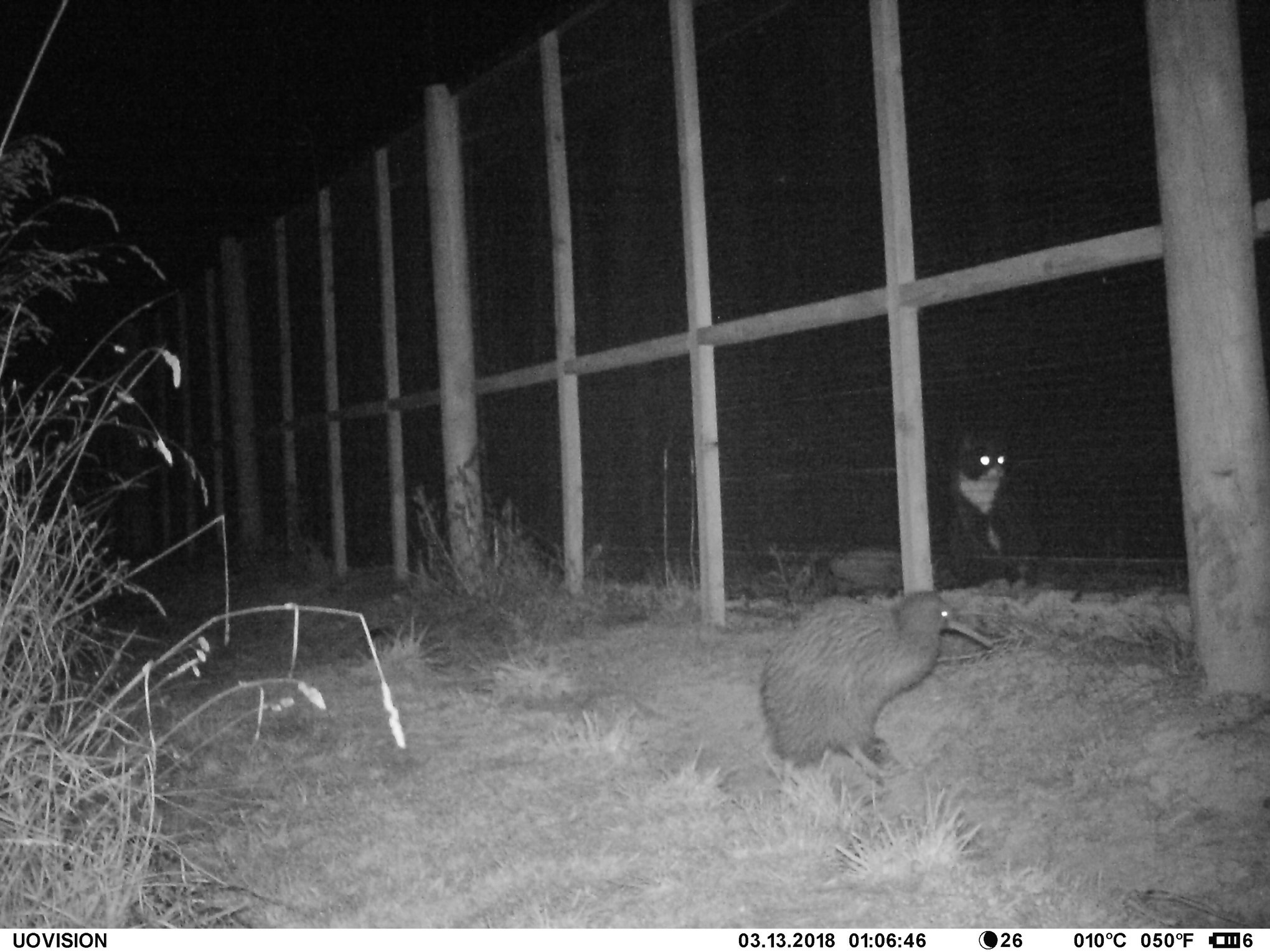
    These were the very questions a group of researchers from Lincoln University set out to explore. Using camera traps, they conducted a study on Hawke’s Bay farmland to test whether trapping and shooting could effectively control feral cat population, and whether the area will be re-invaded over time, to measure the effectiveness of the method.

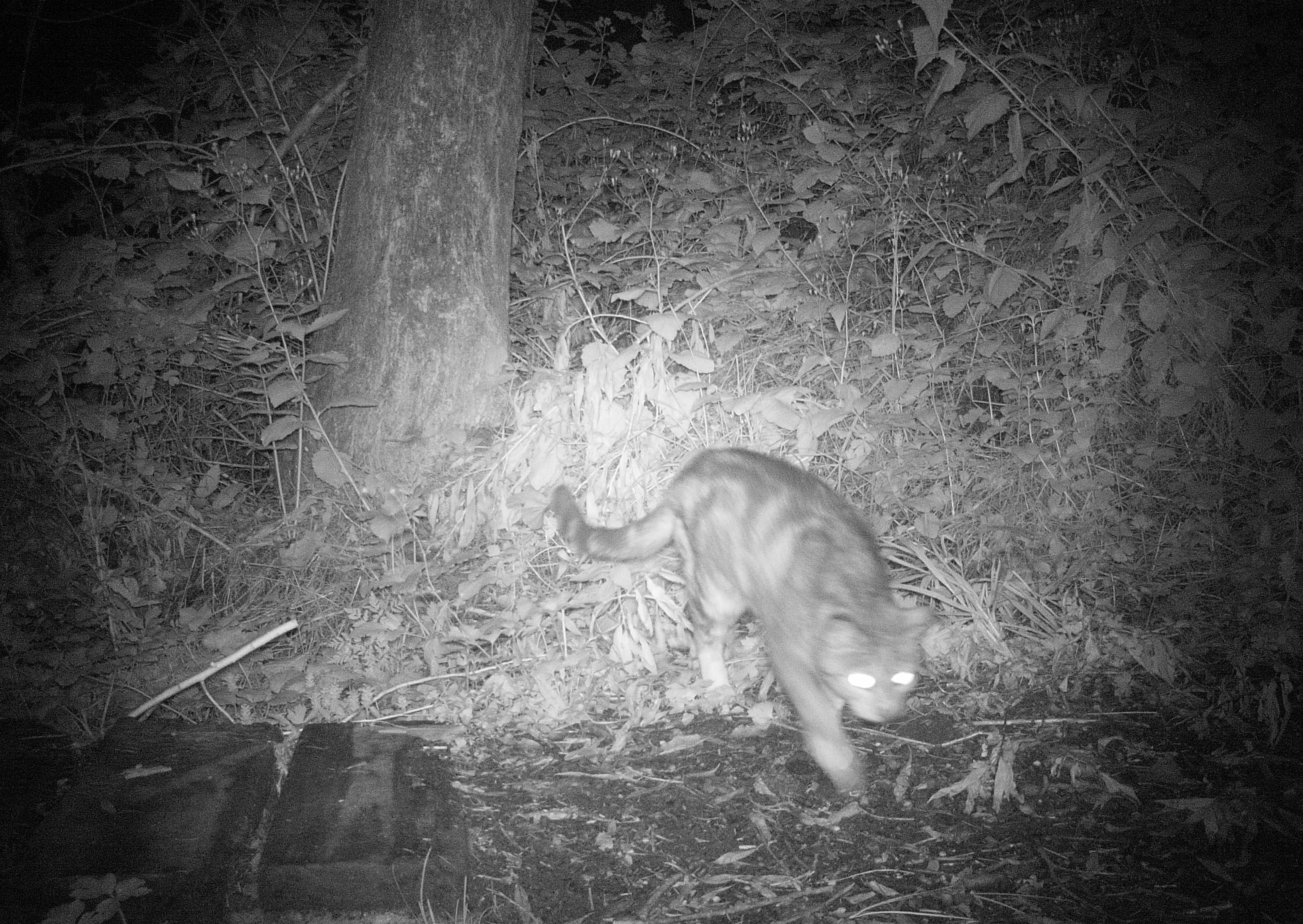
    Forty motion-sensitive cameras stood beside the traps like sentinels, monitoring everything. Cats walked into the view, lured by rabbit meat and ferret scent. The cameras recorded activities before, during, and six months after the control operation. Before the operation 20 cats were detected. 17 feral cats were then removed (shot). The result? An 84% drop in both cat numbers and camera detections.

    Aware of the risk of reinvasion, the researchers monitored the site again six months later- and detected only three new cats. The outcome was encouraging and demonstrated how proper methods combined with well-monitored action can make real difference. With the help of camera traps, the research could measure the effectiveness of the control operation and can suggest similar methods in areas facing feral cat issues.

    Today, thanks to advanced technology like camera traps, monitoring has become much more efficient and convenient. This allows conservationists to evaluate their methodologies, observe activities remotely, and respond effectively.

    How did cats become a serious ecological problem in NZ?

    In my home country of Nepal, cats are seen as beloved pet and, traditionally, the guardians of grain stores, not as an ecological threat. As someone new to NZ conservation practice, I initially found the conservation method used in this study confronting. But the more I learned, the more curious I became: how did a country with no native mammalian predators come to see cats as such a serious problem?

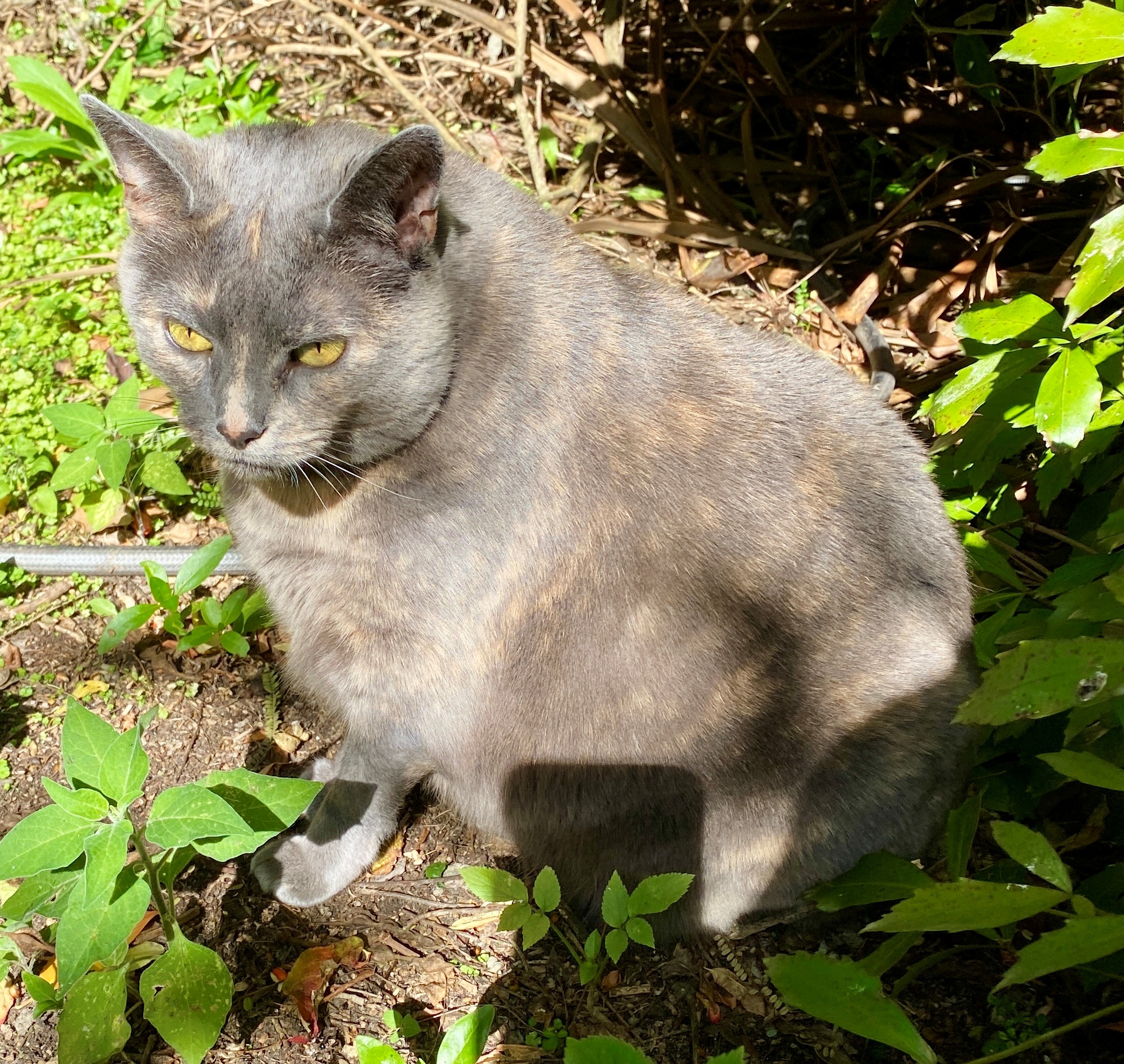
    Fig 3: Stray cat basking sun on Fairmaid Street, Lincoln (Photo: Author 04/01/2025)

    Cats didn’t arrive in NZ until the mid-1800s. Earlier cats had visited along with Captain James Cook. His ship, plagued by rodents, carried cats as a solution to control pests and protect food supplies.

    European settlers brought cats as companions. Some escaped or were abandoned, eventually forming a wild population. Ironically, many animals (and even people) arriving by ships ended up becoming invasive. Over time, their arrival became strongly linked with biodiversity loss.

    Today the feral cats are  officially recognised as invasive predators. They not only kill native wildlife but also spread disease. It is no coincidence that many native birds began to disappear after cats were introduced. In the NZ conservation story, it’s not unusual to say: “To solve one problem often means creating another!”.

    Although some early impacts were noticed, such as the extinction of the Stephen Island wren, surprising these events were simply viewed with the mindset  as nature improving, where invasive species were seen as improvement rather than threats.

    Cats, whether brought to control rodents or to ease the settler’s solitude, may have served a short-term purpose, but over time introducing them proved to be a double-edged sword, causing severe harm to NZ’s native wildlife.

    Learning this made me realize that today’s conservation challenges are deeply connected to historical choices!

    Moving ahead

    While we cannot re-write history, we can certainly learn from it!

    Fig 4: Who decided which story to tell? The Great Hall stained-glass window at University of Canterbury made from 4,000 pieces of glass, showing Captain James Cook at number 19 (Photo: author 02/05/2025).

    The journey of cats in NZ is a classic reminder of how small actions can have a large ecological impact. The feral cat issue isn’t just about one species nor is it the only invasive challenge NZ faces, it’s about how we approach conservation in a complex and ever-changing environment.

    Looking back, we don’t know how much damage to NZ’s biodiversity could have been prevented or reduced if the scale of damage was understood earlier. As the country continues its battle against introduced species to conserve biodiversity through Predator Free 2050 campaign, integrating reliable monitoring tools like camera traps will be crucial in making informed and effective conservation decisions.

    The author, Pareena Khadka, is a postgraduate student in the Master of Applied Science at Te Whare Wānaka o Aoraki Lincoln University. This article was written as an assessment for ECOL 608 Research Methods in Ecology.

    Paper reference: Nichols, M., Glen, A. S., Ross, J., Gormley, A. M., & Garvey, P. M. (2023). Evaluating the effectiveness of a feral cat control operation using camera trapsNew Zealand Journal of Ecology, 47(1), Article 3501. https://dx.doi.org/10.20417/nzjecol.47.3501

  • Silent hunters on the wetland edge: urban cats and nature conservation

    Silent hunters on the wetland edge: urban cats and nature conservation

    The dark side of the cat

    A cat carrying a bird in its mouth while another cat observes nearby, set in a garden with stone pathways and decorative animal statues.
    Cats doing what cats do.
    Photo by Robert | Visual Diary | Berlin on Unsplash

    In the autumn evening, a cat lies on the fence, with focused eyes and slightly wagging tail, this patient hunter is quietly locking onto a target and preparing to attack.

    Cats are the standard feature in almost neighbourhoods in New Zealand. They are elegant, lazy, affectionate, and sometimes unpredictable. Some of them are pretty welcomed , moving freely around neighbourhoods everyday, accepting feeding and petting.

    Behind these soft furs and friendlypurring, there is an ancient, untamed instinct hidden – hunting. Hunting is not just about hunger. Most cats were are well-fed—some are even fed multiple times a day. Yet, the urge to stalk, chase, and kill remains.

    Travis Wetland: A natural island in the city

    Wetlands, green spaces, and bushes are the last shelter for local plants and animals. These “ecological islands” are often located right next to the communities where we live.

    Travis Wetland is a freshwater ecological oasis, located on the edge of Christchurch. Surrounded by residential areas, roads, and commercial development, it remains a vital refuge for more than 53 species of birds and many native invertebrates.

    Living around this wetland, there are hundreds of free-moving domestic cats living. They can walk through the grass without permission, quietly enter the ecological core area, and become hunters of these small lives.

    A sleek black cat crouches on a wooden fence, focused with its golden eyes, poised as if ready to pounce, surrounded by lush green foliage.
    A Patient Hunter
    Photo by Kristin O Karlsen on Unsplash

    Silent pressure & hidden trail

    It is easy for people to imagine a cat lazily lying in the sun by a windowsill, but what about the other side of their life when they step out the door?

    Over the course of a year, 21 pet cats living near Travis Wetland were installed with GPS collars as part of a study by Lincoln University and the Christchurch City Council. The research, led in part by Shelley Morgan and Adrian Paterson, revealed some surprising results.

    Researchers did not capture many cats with prey in their mouths (although more than a few did bring their prey back to their home). But there were other situations: cats were often visiting the edge of the ecological core of the wetland, where native birds, lizards and insects breed.

    A close-up of a small bird with dark brown feathers and a distinctive long tail, perched on a log in a green and grassy environment.
    Fantail(Rhipidura fuliginosa)
    Photo by Callum Hill on Unsplash

    The cat threat does not necessarily come from killing, sometimes, just “attending” is enough. Birds may abandon their nests if they sense a nearby predator. Lizards may interrupt their mating if they feel targeted. In nature, energy is precious, and fear itself is also consumes energy.

    More than half of the monitored cats entered Travis wetland at least once. Some of them went more than 200 metres into the wetland while their owners sleeping, crossing habitats and breeding areas for rare native lizards, insects and ground-nesting birds.

    More than half of the monitored cats entered Travis Wetland at least once. Some of them went more than 200 metres into the wetland while their owners sleeping, crossing habitats and breeding areas for rare native lizards, insects and ground-nesting birds.

    But not every cat causes the same amount of harm.The study found that younger cats—those under six years old—were more active and risky. They travelled further, spent longer inside the wetland, and brought home more prey. Some even swam across water to reach nesting islands. In contrast, older cats tended to stay near home and moved less.

    A small number of energetic cats were doing most of the damage. Researchers called them “super-predators”. This suggests that cat behaviour and age both matter. While most cats seem harmless, a few individuals can quietly cause serious impacts to local wildlife.

    This means the cat you see curled up by the fireplace in the afternoon may be walking the narrow line between urban life and ecological harm at night. It’s not the cat’s fault, and it’s not your fault, but it’s keep happening.

    A cat with black and white fur is sitting behind a window screen, looking outside. The window frame is made of weathered wood, giving a rustic feel to the scene.
    Cat by the Window
    Photo by Aleksandar Popovski on Unsplash

    Night walkers & tiny bells

    Cats are typical “crepuscular” animals, that is, they are most active in the dawn and dusk. This explains why you see cats running around the living room at 10 pm or staring at the wall at 5 am. They don’t listen to a clock, they listen to the call of instinct.

    Sunset and just after is also the time when many cats go out for their “night patrols”. According to the data from the study’s cat GPS tracking, cats move more frequently and walk farther at night. Some cats hardly go out during the day, only sneaking through the garden and visiting the fields after dark.

    So, what can we do to reduce the impact of out furry friends? Some owners hang small bells on their cats’ collars, hoping that the sound will alert potential prey and give them time to escape. This method seems simple and effective, but the effect actually varies from species to species.

    There is a study by University of Otago have shown that bells have a certain deterrent effect on birds and the study by Geiger shown that have little effect on lizards or insects because they are not sensitive to sound. Also some smart cats can even learn to “walk silently” – so that the bell doesn’t ring at all.

    A black cat peeking from behind a concrete structure, with one green eye visible and a blurred background showing hints of light.
    Nightwalker Cat
    Photo by amir esfahanian on Unsplash

    So, while bells may help a little, they are not a panacea. As with everything in this story, the answers are never simple.

    Draw a ceasefire zone

    Some solutions are simple, and others need some creativity.

    In some parts of New Zealand, there is talk of creating a cat-isolation buffer zones — areas around nature reserves where cats are either required to be kept indoors full-time, or where cats are banned or a curfew(Wellington City Council. 2024) is imposed on cats near reserves (although curfews seem not work for protecting birds or lizards)

    This idea is not to punish cat owners but to protect the most vulnerable parts of the ecosystem. Because may be the problem is that house cats may be found curled up in warm blankets, purring softly, eyes half-closed, and when just hours earlier, those paws may have landed a fatal blow on a small bird, or pinned a native skink to the ground.

    Free-roaming cats in New Zealand are subject to different local management depending on their relationship with humans (such as companion cats, stray cats, and wild cats), but there is currently a lack of unified national laws(Sumner, C. L. 2022).

    Threatened-Nationally Critical Skink: Alborn Skinks(Oligosoma albornense)
    Photo by James Reardon

    Some newly built areas even state in the purchase agreement that cats are not allowed to roam freely, and sometimes even completely prohibit cats(Preston, N. 2023).

    To some people, such regulations may sounds really extreme. But to naturalists, it is a way of respecting boundaries, a quiet commitment to leave even a small area and keep distance for the creatures that have lived here long before we came here.

    We would much rather have this scenario: ‘In the autumn evening, a cat looks out of a window at a fence, with focused eyes and slightly wagging tail, this patient hunter is quietly locking onto a target that it would love to attack. Frustrated, it curls up and goes back to sleep.’

    This article was prepared by Master of Pest Management  postgraduate student Linfeng Yu as part of the ECOL608 Research Methods in Ecology course.
    Research paper: Morgan, S. A., Hansen, C. M., Ross, J. G., Hickling, G. J., Ogilvie, S. C., & Paterson, A. M. (2009). Urban cat (Felis catus) movement and predation activity associated with a wetland reserve in New Zealand. Wildlife Research, 36(7), 574–580. https://doi.org/10.1071/WR09023

    References

    Geiger, M., Kistler, C., Mattmann, P., Jenni, L., Hegglin, D., & Bontadina, F. (2022). Colorful Collar-Covers and Bells Reduce Wildlife Predation by Domestic Cats in a Continental European Setting. Frontiers in Ecology and Evolution, 10. https://doi.org/10.3389/fevo.2022.850442

    Housing development near Auckland imposes cat ban to protect wildlife. (n.d.). 1News. Retrieved 5 May 2025, from https://www.1news.co.nz/2021/08/11/housing-development-near-auckland-imposes-cat-ban-to-protect-wildlife/

    Preston, N. (2023, July 1). No cats allowed: Growing number of new neighbourhoods banning pets. Oneroof. https://www.oneroof.co.nz/news/no-cats-allowed-growing-number-of-new-neighbourhoods-banning-pets-43855


    Responsible cat ownership. (2024, October 17). Wellington City Council. https://wellington.govt.nz/dogs-and-other-animals/cats/responsible-cat-ownership


    Sumner, C. L., Walker, J. K., & Dale, A. R. (2022). The Implications of Policies on the Welfare of Free-Roaming Cats in New Zealand. Animals, 12(3), Article 3. https://doi.org/10.3390/ani12030237

  • Keeping up with the Kiwis: Translocations and their forever holiday homes

    Keeping up with the Kiwis: Translocations and their forever holiday homes

    New Zealanders, also known as the ‘kiwis’, are known for tramping up great mountains, and travelling around the globe. For the actual kiwi bird, their adventures are limited to islands and protected environments. Even our New Zealand mascot, Goldie the kiwi, manages to ‘fly’ all around the world, which I’m sure would make the national birds jealous.

    That’s not to say that actual kiwi don’t get around. Our national icon is the most translocated bird in New Zealand. We have been translocating kiwi since not long after the Treaty of Waitangi (1840) due to predation and habitat loss, often with limited success. When we try our hardest to save populations through transfers, most or all birds die. So, we created protected (fenced) sanctuaries that allow a safe environment for kiwi and other native species to thrive. But after decades of conservation work and relocating kiwis out of their homes to a safer habitat, are they truly happy in their new homes?

    Fenced Sanctuary – Zealandia. Image by Russellstreet

    Methods for successful translocations have been developed. Methods, including the introduction of Operation Nest Egg (ONE), allows the hatching chicks to become mature before releasing into the wild. These methods has required the involvement of community groups, iwi and hapū. However… there are no resources that include information from past kiwi translocations, so we don’t know the past outcomes, whether they were effective, or how to improve them — which is wild!

    Researchers at Lincoln University, Peter Jahn and James Ross, and other colleagues reviewed 102 kiwi translocation projects (mainly from the last four decades — older information having been lost or ‘poorly documented’), and they examined the mitigation translocations and rehabilitation releases. But how do you define a ‘successful’ translocation?

    We can’t assume that if we release birds into a new environment that everything will magically lead to success. We must investigate if the kiwi population can settle in, grow in numbers and maintain a healthy balance on their own for it to succeed long-term. The primary goal of translocations is to “establish or restore a population with a high probability of persistence”. Unfortunately, kiwi behaviours have made it hard to grow a population, as they are irregular breeders and take several years to reach sexual maturity.

    To address this, objectives were set for releases:

    • To grow all kiwi populations by at least 2% per year.
    • To sustain genetic diversity, each translocation will have at least 40 unrelated individuals released (a ‘founder population’).
    • A minimum timeframe of 15 years is required for the population to grow (and adapt to its new environment).

    By collecting data and analysing the translocation trends over the decades, we can better understand how different projects affect the survival of kiwi taxa.

    Stewart Island Brown Kiwi (Tokoeka). Image by Jake Osborne

    Since 1863, there have been 102 translocations, with an impressive 76 kiwi translocations just in the last 20 years. Translocated kiwi species included: Rowi, Great Spotted Kiwi, Little Spotted Kiwi, Tokoeka, and Brown Kiwi. Most of the release sites (63% since the 1860s) were in the North Island or on offshore islands (sorry Lincoln — too much farmland). However, 20 of these projects’ reports do not exist or are unavailable. But here’s what is fascinating… just over half of the translocations (58%) introduced kiwi taxa where they were not seen before (a giant leap of ‘kiwi-kind’)!

    In the past, effects to reduce harm for the kiwi were deemed as an ‘emergency’ to secure populations. Recent translocations cited ecological restoration and supporting kiwi taxa across different areas as a priority (which supports natural differences, and resilience – perfect for long-term conservation outcomes)!

    Unfortunately, not all kiwi species have received the same level of attention. Those with more attention are spoilt with support (more management) and obtain an improvement in their conservation status. Other kiwi species are not as lucky, such as the Great Spotted Kiwi, Fiordland Tokoeka and Rakiura Tokoeka, as their conservation status has worsened. So even though translocation effort aims for an improvement in kiwi populations, other factors, such as population sizes and lack of predator control, make this already difficult job… even more challenging.

    If you look at past scientific literature on initial survival of released birds, these translocations will be reported as ‘successful’, which seems good, right? But are they ‘self-sustaining populations’? Only one project (Zealandia) has been considered as ‘successful’ due to having an increased population. Even worse…. there is little information on the genetic make-up of the new population (which defeats the purpose of becoming a long-term project).

    Little Spotted kiwi at Zealandia. Image by Kimberley Collins

    For future translocations, the number of releases should be adjusted (by changing the total number kiwi released in a specific area) depending on the situation — for example, when there is a low founder population, or a high mortality rate. If a population is not looked after, this can result in reduced fitness and genetic variability. Having a database that holds the records of all the kiwi translocations would make it easier to analyse the factors that could influence kiwi populations.

    So, what does the future hold for kiwi translocations? The main recovery goal, which was “restoring former distributions of all kiwi taxa”, has shown an increase in populations through translocations. Translocations have created new populations on islands, which can “fill in the gaps” in nature, which is a huge win! Guidelines suggest releasing 40 kiwi into a new population and that they are not related to the ‘founder population’ (this number can vary depending on specific factors to maintain high diversity).

    As translocations start from newly established populations, it’s only through time that we will see if kiwi populations can further grow and maintain sufficient genetic diversity.

    This article was prepared by Master of Science student Jessica Przychodzko as part of the ECOL608 Research Methods in Ecology course.

    Jahn, P., Fernando Cagua E., Molles, L. E., Ross, J. G., & Germano, J .M. (2022). Kiwi translocation review: are we releasing enough birds and to the right places? New Zealand Journal of Ecology, 46(1): 3454. https://dx.doi.org/10.20417/nzjecol.46.1

  • Forests from grass: natural regeneration of woody vegetation on hill farms

    Forests from grass: natural regeneration of woody vegetation on hill farms

    If you’ve spent any amount of time travelling around Aotearoa New Zealand, you will have noticed the abysmal amount of forest trees in much of our country. Pre-human New Zealand was almost entirely covered in indigenous forest. You may have heard that statement before, but let’s just appreciate it for a second. 96% of the North Island and 72% of the South used to be lush with native podocarps, hardwoods, broadleaves, and beech trees. 

    Over the course of our relatively short history, we eventually destroyed a massive 14 million hectares of indigenous forest to make way for housing, industry, and farms. We were particularly keen on clearing drier and more arable regions like Canterbury and Central Otago, which have lost nearly 90% of their original vegetation

    By 2002, only a quarter of that indigenous vegetation remained. Don’t get me wrong, I like living here, that people can make money here, and I like eating fresh food. But, damn, I also like breathing oxygen…

    In all seriousness, native trees play much more important roles than that. Native forests can protect us from wildfires, help us avoid droughts, increase soil, water, and air quality, reduce erosion, and provide habitat for unique native species that do their part in making all of these ecosystem services available to us. As well as that, the land itself, the rugged forests, and activities like hiking through native trees forms part of our cultural identity, not to mention a reasonable chunk of our tourism industry.

    What’s more, our native forests store an incredible amount of carbon – an estimated 1.7 billion tonnes.

    In order for New Zealand to transition to a low-emissions economy and reach its climate change targets by 2050, we need to plant a lot more trees …up to 2.8 million hectares’ worth. The Productivity Commission suggested that most of this land could come from marginal farmland. As it turns out, there is an estimated 2.8 million hectares’ worth of suitable hill country that could be converted to forest. Hill country is essentially steep slopes at higher altitudes. It’s referred to as ‘marginal’ farmland because the economic gains are quite low compared to other landscapes. Steeper gradients are prone to erosion, and high-altitude climates don’t always lend themselves to agricultural productivity.

    Steep slopes at high altitudes are key characteristics of New Zealand’s hill country (own photo).

    So, how do we go about converting hill country farmland into a thriving native forest? Pedley, McWilliam, and Doscher discuss the factors that we must take into account.

    Hill country revegetation projects are tough for the same reasons as hill country farming is tough, there are costs associated with buying nursery-raised seedlings and then planting on difficult terrain. As Pedley and colleagues suggest, the cheaper alternative is to simply let nature do its thing. Allowing forests to regenerate naturally is a form of passive or minimal interference management (MIM). Landowners, especially farmers, are among the most well-placed in the country to protect and expand our country’s native forest cover, and MIM is an attractive solution to the costs.

    When it comes to revegetating farmland, Pedley and colleagues point out two major considerations.

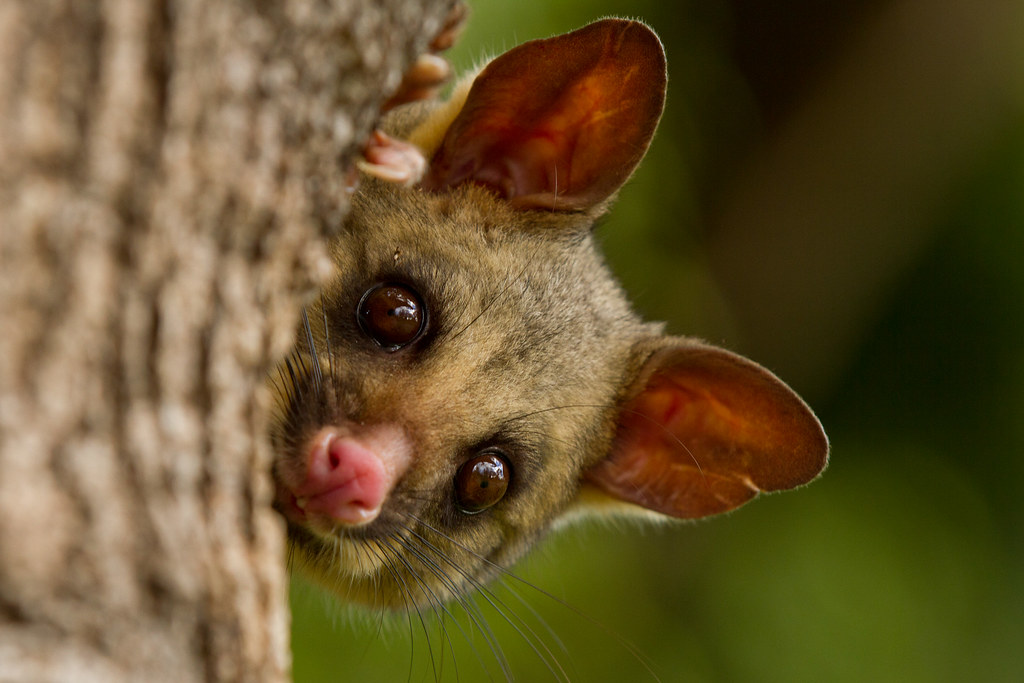
    One difficulty is that pasture grasses often suppress native seeds from establishing, so it’s important to help the seeds get a head start. The easiest way to do this is with nurse crops, which shade out the grass, shelter the natives, and protect them from browsers (particularly possums and ungulates, like deer and goats). Nurse crops can be exotic or indigenous shrubs and trees, and even existing weeds, like gorse, can be made useful. This is because NZ natives generally prefer to start out in the shade, eventually growing tall enough to overgrow the nurse crops.

    Next is the issue of livestock that can be detrimental to natural regeneration. It does depend on which livestock species you have and which tree species are regenerating. Cattle can be extremely destructive to new plants, paddocks, and pre-existing vegetation. Sheep, on the other hand, don’t really seem to make a difference, though they tend to snack on broadleaved species that are a necessity for a healthy forest ecosystem.

    Cattle should be reduced or excluded entirely from a revegetating area. Sheep can be reduced or excluded until there are a good amount of established seedlings, which usually aren’t as palatable to them. Just don’t forget to also keep out those pesky possums and unwelcome ungulates.

    Cattle can be destructive to pastures and newly planted vegetation (“Cow Path to the Forest” by Tristan SchmurrCC BY 2.0)

    The most important part of natural regeneration is that the seeds have to come from somewhere. This means that the existing native vegetation on your property is one of your most important assets. This is the ‘passive’ part of the process and the money-saver, because you won’t need to buy seeds or establish nurse crops – the trees have got it covered. The native trees will shade out the grass in the space directly adjacent, enabling the seeds to gain a foothold and gradually expand the forest. Fencing off this area, or the paddock the trees are in, is enough to start the process.

    A fair warning though: promoting natural regeneration with MIM can be slow, particularly through grazed pasture. Pedley and colleagues detected an annual regeneration rate of 0.2% from 2003 to 2019 at a southern Banks Peninsula station. At a time when New Zealand desperately needs to plant more trees, MIM is one of the ways landowners with limited resources can contribute, though more active management strategies will speed up the process. For example, consider pest management to exclude browsers (e.g. trapping, hunting, or fencing) and supplementary planting, especially if your remnant vegetation is limited to a few individual trees or species.

    Policy and the barriers to getting involved

    Finally, especially for those of us in the political and conservation sectors, I think it is our responsibility to encourage native tree planting among landowners, while understanding their barriers to doing so.

    The most obvious barrier in converting farmland to forestry is the loss of income, however minor it is. Landowners meeting certain land and forest requirements may be eligible to participate in the New Zealand Emissions Trading Scheme (NZ ETS). With one hectare of ten-year-old forest, you might earn anything from 8-24 NZU per year, depending on the tree species. If sold at $58 per NZU, that’s an annual income of $464-$1392 per year – for essentially leaving the land alone. These figures grow as the forest matures, and with better policy, these figures could grow even more.

    Our policies currently favour exotics over natives, and plantations over constantly-regenerating forest. Not all models consider the amount of carbon stored in the forest understory, which is much denser and richer in a native forest compared to a pine forest. New evidence shows that native ecosystems store much more carbon than previously thought, and over a much greater period of time than pine species.

    Another barrier to entry is our individualistic culture around climate change action. Many sheep and beef farmers report that pro-biodiversity action is not necessarily about a lack of resources, but the belief that their actions don’t benefit their own farms, or that they aren’t helpful in the bigger picture. It’s important that we change this mindset, because 89% of New Zealand’s emissions are created by our primary industries.

    MIM cuts costs, but adding more trees to your property and protecting them not only benefits the landowner and the immediate environment, but also the rest of the country. It benefits the natural resources on which we all rely, stabilises the landscape, and protects us from fires and droughts. Natural regeneration of natives results in improved biodiversity outcomes, with higher richness and abundance of plants, birds and invertebrates, which not only make all of this possible, but also make the system sustainable. This means that landowners can cut costs in the long run by working with nature, using its natural characteristics and processes to their advantage.

    In any case, growing a forest on a farm is not an overnight process

    It requires a lot of patience, but those who are able to encourage native regrowth are safeguarding the country’s biodiversity and resources for all of us, and contributing to our sustainability. Native forests hold a much more strategic long-term position in the bid to plant more trees, and hill country farmers are the most well-placed to allow their regeneration.

    Perhaps one day we will have the privilege of living and working alongside the lush and bustling forests that once supported us, as we learn to support them.

    Mature beech forest (own photo).

    This article was prepared by Master of Science student Sarah Gabites as part of the ECOL608 Research Methods in Ecology course.

    Based on the article by Pedley, D., McWilliam, W. and Doscher, C. (2023). Forests from the grass: natural regeneration of woody vegetation in temperate marginal hill farmland under minimum interference management. Restoration Ecology 31:3. https://doi.org/10.1111/rec.13852

  • What went wrong with Himalayan tahrs in New Zealand?  

    What went wrong with Himalayan tahrs in New Zealand?  

    How would you feel if an animal deeply respected and protected in your homeland was treated as a trophy animal and hunted in another country for being invasive? I was heartbroken to discover the fate of Himalayan tahrs when I first arrived here in New Zealand.

    A proud Sherpa with Chhomolungma (Mt. Everest) in the background (Hey! He looks exactly like the author of this blog!!!) Photo: ©Author

    Being from a native Sherpa community in the Khumbu region (popularly known to the world as The Everest region), I grew up roaming around the high alpine environment of the Himalayas. The region lies in the Sagarmatha National Park and Buffer Zone (SNPBZ) and is home to majestic mountains including the highest peak in the world, Khangri Chhomolungma (Mt. Everest in English), as well as stunning rugged terrains, glaciers, lakes and diverse flora and fauna.

    A photo of male Himalayan Tahr taken on the way to Everest base camp trail Photo: ©Author

    The Khumbu region is habitat to many endangered wild animals including snow leopards, musk deer and red pandas. Due to its rugged environment and mountain slopes, the region is also a suitable native habitat of the Himalayan tahr (Hamitragus jemlahicus). We call them “Ri Rau” in Sherpa language meaning “Wild Goat”.

    A herd of Himalayan Tahr seen on the way to Everest Base Camp Trail Photo: ©Author

    I was around 6-7 years old when I first saw a herd of the Himalayan tahrs grazing on the hills near my hometown Lukla while walking with my father. I remember watching and admiring them for hours hiding behind a rock. I was immediately mesmerized by their presence. The male stood out with their glossy thick brown coat of straight hair as if they came straight out of a salon, with strong dark horns surrounded by the females and their young ones. I was especially stunned by their ability to move confidently and swiftly across the rocky slopes. That moment still relives fresh in my memory. Since then, whenever I saw them, I always paused for a moment to admire their elegance and capturing the moments for memories.

    The Himalayan tahr is currently listed as Near threatened on the IUCN Red list. In their native habitat they are mostly predated by common leopards and snow leopards. Due to anthropogenic activities such as habitat loss and illegal poaching, their population have been declining, and they are now protected in their native Himalayan environments.

    When I first arrived in New Zealand, I discovered that the Himalayan tahrs are considered as invasive species, and they are hunted for recreational purpose in the country. I was really surprised by this as they are protected in the region that I come from. After doing some digging, I found out that the Himalayan tahrs were introduced in New Zealand in the early days of European settlements for sport, gifted by Duke of Bedford to help with recreational hunting option for emigrating Englishmen and released near the Hermitage at Mt Cook in 1909. As New Zealand doesn’t have any natural predators of Himalayan Tahrs, their population escalated rapidly reaching a population size of tens of thousands over the Southern Alps.

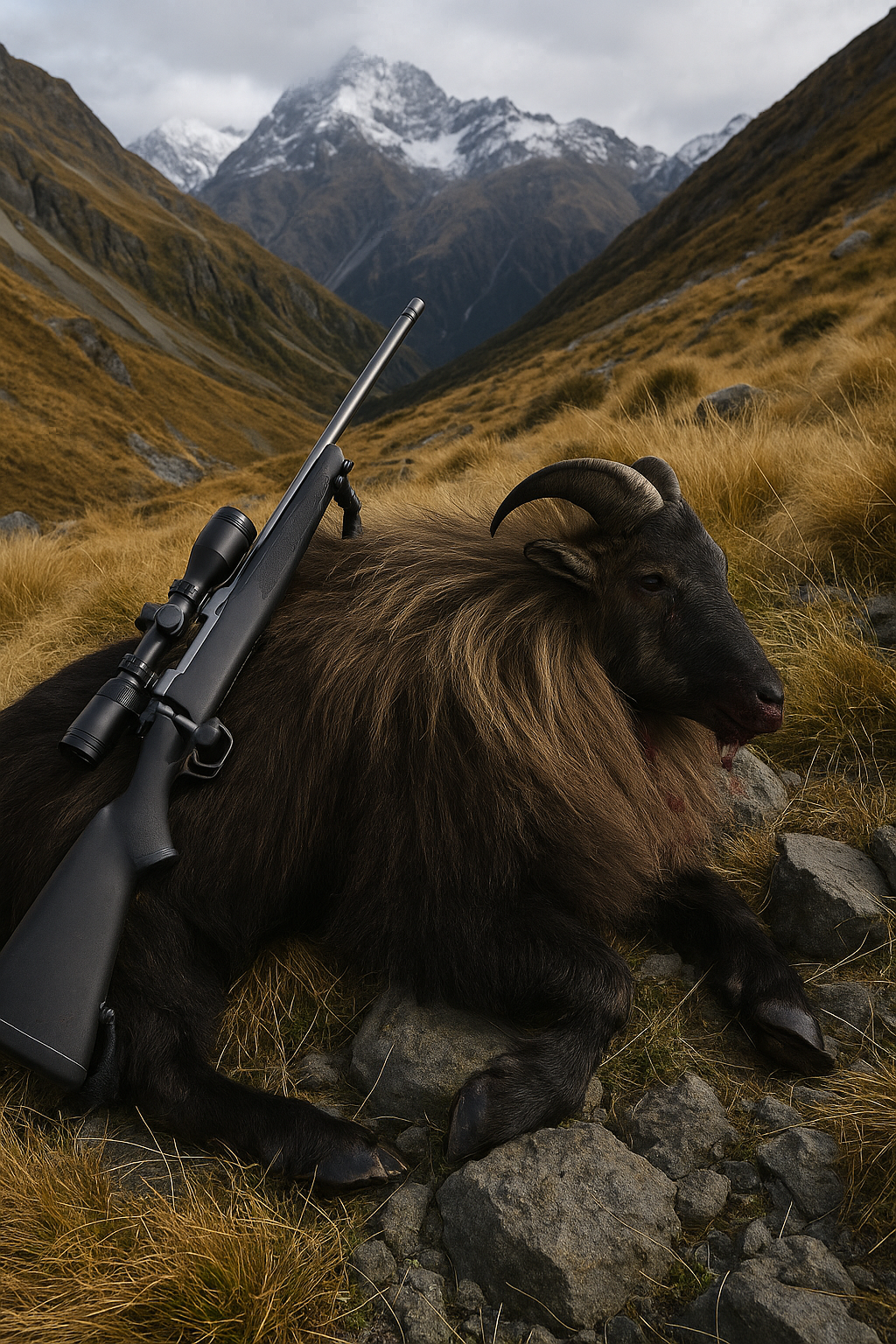
    A Trophy Hunted Tahr
    Photo: Image generated by ChatGPT (DALL-e) by OpenAI

    The Department of Conservation of New Zealand (DOC) has been working on Himalayan Tahr population control since 1993 under the Himalayan Tahr Control Plan (DOC, 1993: HTCP) which allows limited population of around 10,000 tahrs within the seven defined management units. However, the tahr population has grown beyond the limitation of management plan in recent years, making it difficult to control them. The HTCP also includes a defined feral range to contain their population and permits farming or holding in game estates for commercial hunting only within the designated range.

    A report from Lincoln University, conducted in 2020 by Geoff Kerr, Garry Ottmann and Fraser Cunningham studied the potential for containing tahrs in game estates outside their feral range to reduce demand on the wild tahr resource as recommended by the Game Animal Council (GAC, 2014). Three GPS tracked male tahrs were released in the High Peak Game Estate on 19th December 2018 to monitor their behavior and movement pattern inside the enclosure over a twelve-month period. While one tahr died of unknown causes, the remaining two were kept there until 24th December 2019. The study was done on the hypothesis that tahr containment within a game estate outside of their feral range would be successful.

    The trial was successful showing that Himalayan thar can be effectively contained in game estates outside their feral range. GPS data showed minimal fence interaction, and the tahrs quickly adapted to their new territory. Most boundary activity occurred during the breeding season. The study also suggested potential for larger scale commercial operations due to their herding behaviour.

    Despite extensive research and ongoing control efforts, Himalayan tahr continues to threaten New Zealand’s native biodiversity by heavily grazing on tussocks, alpine herbs, and shrubs, plants that have no evolutionary history of mammalian herbivory, thereby disrupting the natural ecological balance.

    This problem also raises a serious question of human intervention with nature. More than wondering how to manage tahr populations, I find myself asking: What are they even doing here in the first place? Himalayan tahr has become invasive in New Zealand because people introduced them here without realizing its future consequences and it has backfired us, leaving us to manage the aftermath of our own decisions.

    Witnessing the realities of a Himalayan tahr changing from a revered mountain dweller in my homeland to trophy hunted invasive species in New Zealand, has been an emotional and eye-opening experience for me. Looking at the conservation dilemma of tahrs between two different countries has challenged my perception and shown how the value of wildlife depends on the context. The Himalayan tahr’s journey, much like my own, has crossed oceans and adapted well into the new environment but the only difference is that the tahrs didn’t choose to come here. The Himalayan tahr’s story is a very powerful reminder of how human actions can disrupt the natural ecosystem. As someone who grew up admiring their beauty in the Himalayas, I hope their fate improves in the future.

    The author, Ngima Chhiri Sherpa, is a postgraduate student in the Master of Applied Science (Environmental Management) at Te Whare Wānaka o Aoraki Lincoln University. This article was written as an assessment for ECOL 608 Research Methods in Ecology.

    Paper Reference: Kerr, G. N. ., Ottmann, Garry., & Cunningham, Fraser. (2020). Himalayan tahr on game estates outside the tahr feral range. Centre for Land, Environment & People, Lincoln University. https://digitalnz.org/records/44715317 

  • Detecting red panda, dancing with Kate Bush

    Detecting red panda, dancing with Kate Bush

    I’ve been a fan of Kate Bush since she released ‘Wuthering Heights’ when I was 10 years old. She famously does not tour or give shows and so I have never had the chance to see her live. A couple of weeks ago a tribute act ‘An evening without Kate Bush’ came through Christchurch. Great! I booked tickets and dragged Julie along.

    My wife is a long suffering SOKF (spouse of Kate fan), but she was happy to indulge me. Little did she know what was in store. It was a great show. Sarah-Louise Young danced and sang very well and was quite funny. Kate Bush always walks a fine line between quirky and bonkers. The Piano audience had a good time.

    The show was quite interactive. At one point Sarah-Louise asked what our favourite Kate song was. I stuck up my hand and she came over. In addition to the song (Get out of my house), she was interested in whether Julie was a fan (not particularly) and how long we had been married (30 years).

    As she turned to go, Julie added “Oh and Adrian proposed to me in a Kate Bush way.” Well that was that. Julie was then explaining The Dreaming album cover, the ring, the kiss and so on. Much hilarity ensued.

    The show continued on. We got to ‘Don’t give up‘, the song sung by Peter Gabriel with Kate. Sarah-Louise wanted a couple to come onstage and of course that was us. We had to slow dance for the song (much as happens in the video). That’s 6.5 minutes, or an eternity on the stage.

    So, there we were, literally, in the spot light, in front of 325 people. I didn’t find it too bad. I focused in the dancing and not tripping over. Julie was very uncomfortable and most definitely not herself. We reflected later that I am more used to ‘performing’ as a lecturer in front of crowds. Julie is a teacher but only has much smaller groups to perform to.

    I think that we did OK. It turned out that there were a couple of people in the audience who new us and messaged that we did some good dancing (probably they were just happy that they hadn’t been picked to do it).

    As we quietly swayed and turned on stage I did reflect on how the knowledge of being observed really does affect the behaviour of individuals. This links through to my research where I am often making observations of individual birds and mammals.

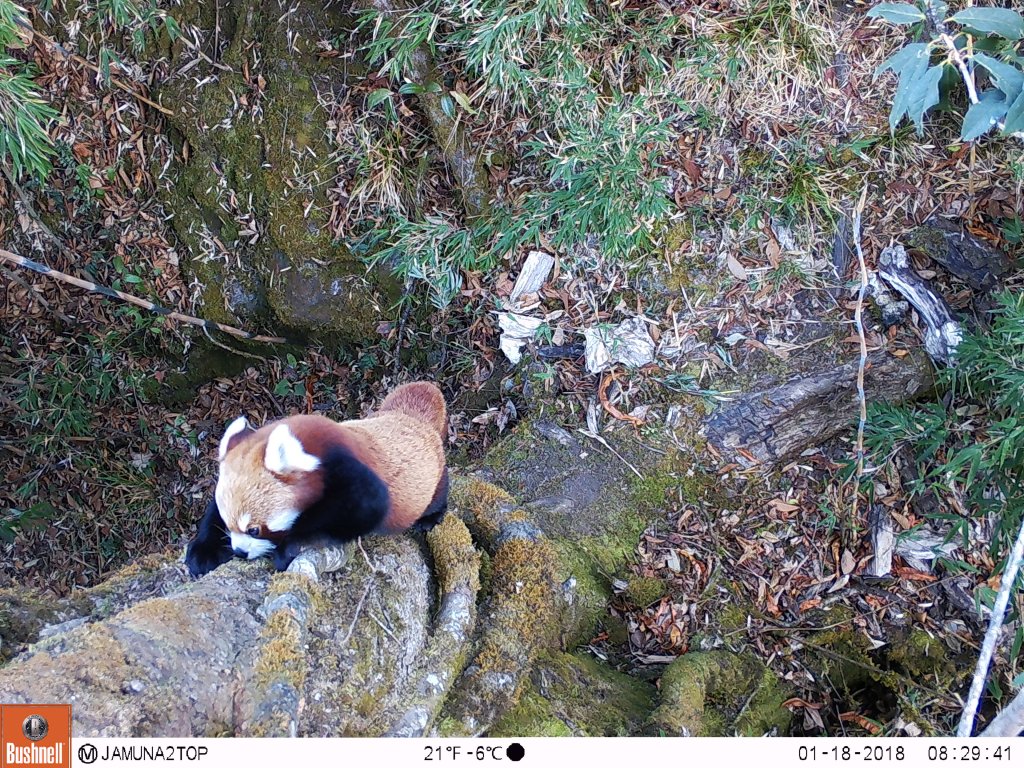
    A gaggle of red panda! Image from Sonam Tashi Lama

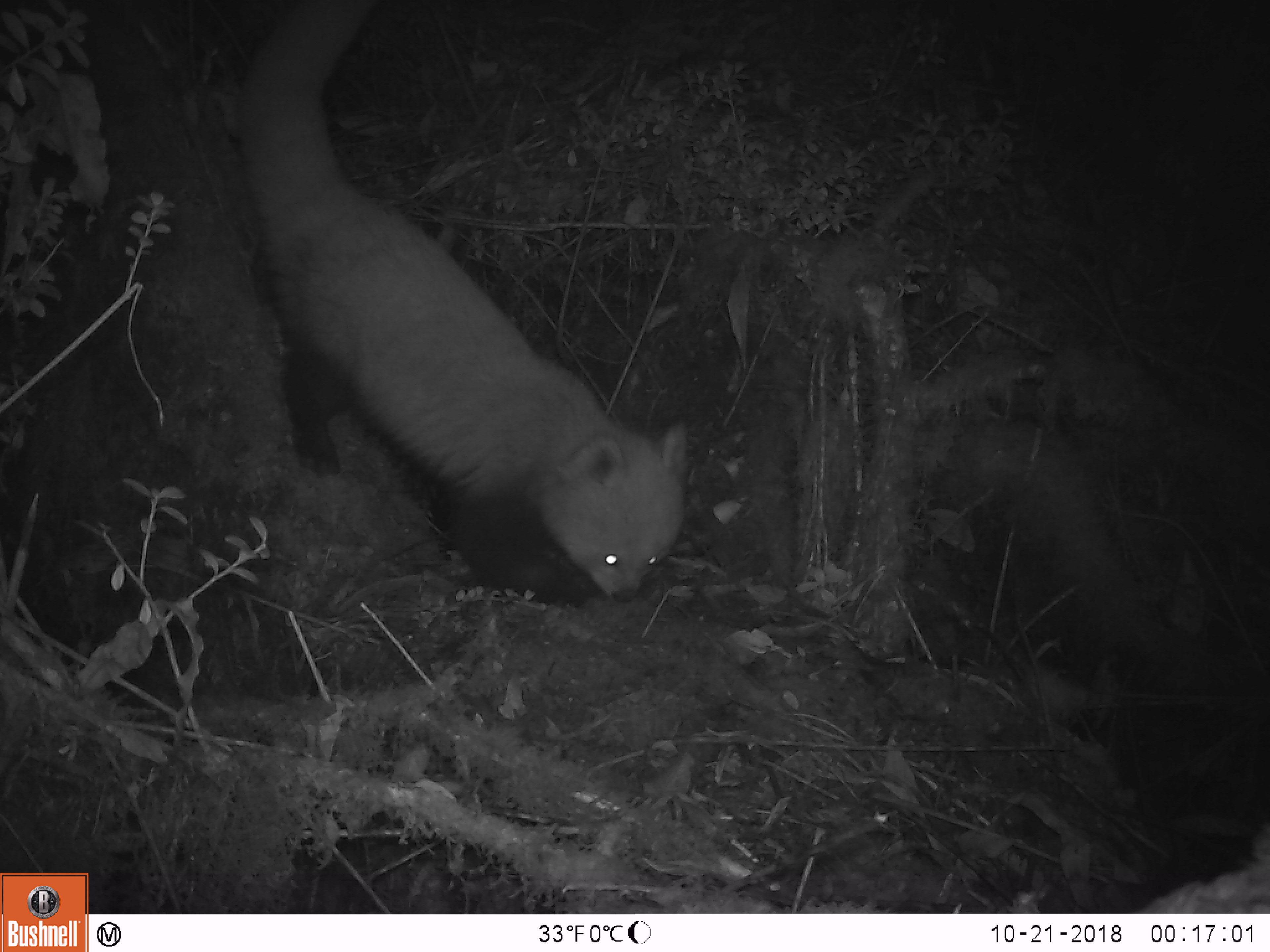
    Recently, we have been using trail cameras to get a better understanding of red panda, and other mammals, in their habitat of eastern Nepal. In these areas red panda are relatively cryptic and declining. Grids of cameras offer a way of observing red panda over long periods of time without humans needing to be nearby.

    Cameras can tell us about the distribution of species over daily and seasonal cycles (Collecting mammals: camera traps in eastern Nepal). We also observed that panda do notice the cameras and that this can lead to subtle changes in their behaviour (I see you: Sauron and the panda).

    In this work with Sonam Tashi Lama (Red Panda Network), and published in the Wildlife Society Bulletin, we set up 19 sites in the alpine forests of eastern Nepal. At each site we had two cameras, one set up in a typical manner at ground level and the other in the tree canopy 5 m above. The cameras collected data over several months.

    We found that red panda were active over the whole day (gotta eat a lot of bamboo and other vegetation!) but activity peaked around dawn and again at midday.

    Arboreal cameras took four times as many photos as ground cameras. These were mostly of leaves blowing in the wind but they were eight times more effective at capturing red panda images. These behaviours included action activities (e.g. tree climbing), clear images of faces, and motion‐lite activities, like sleeping and grooming.

    Image from Sonam Tashi Lama

    So, now we know that cameras can affect the behaviour of red panda being observed and that the placement of the cameras can affect how successful our observations are. Is this a problem? Perhaps, but it is better to know there is a problem when we conduct future research. Also, the information that we are gathering, even if there is some biases, is still way better than not knowing anything.

    We will take the net gain in what we now know about red panda and that can help us with managing them and their habitat.

    It was nice to be reminded about how it feels to be observed. Whether it is 300 Kate Bush fans or a trail camera, there is a physical reaction to knowing that something is out there and perhaps it is watching you. It’s something to keep in mind when designing these studies.

    Oh and don’t put your hand up when you are in the audience of these kinds of interactive shows!

    Adrian Paterson is in the Department of Pest-management and Conservation at Lincoln University. Now that he thinks about it, he has spent a lot of his research prying into the private lives of animals.

  • How to help lizards in your back yard/paddock

    How to help lizards in your back yard/paddock

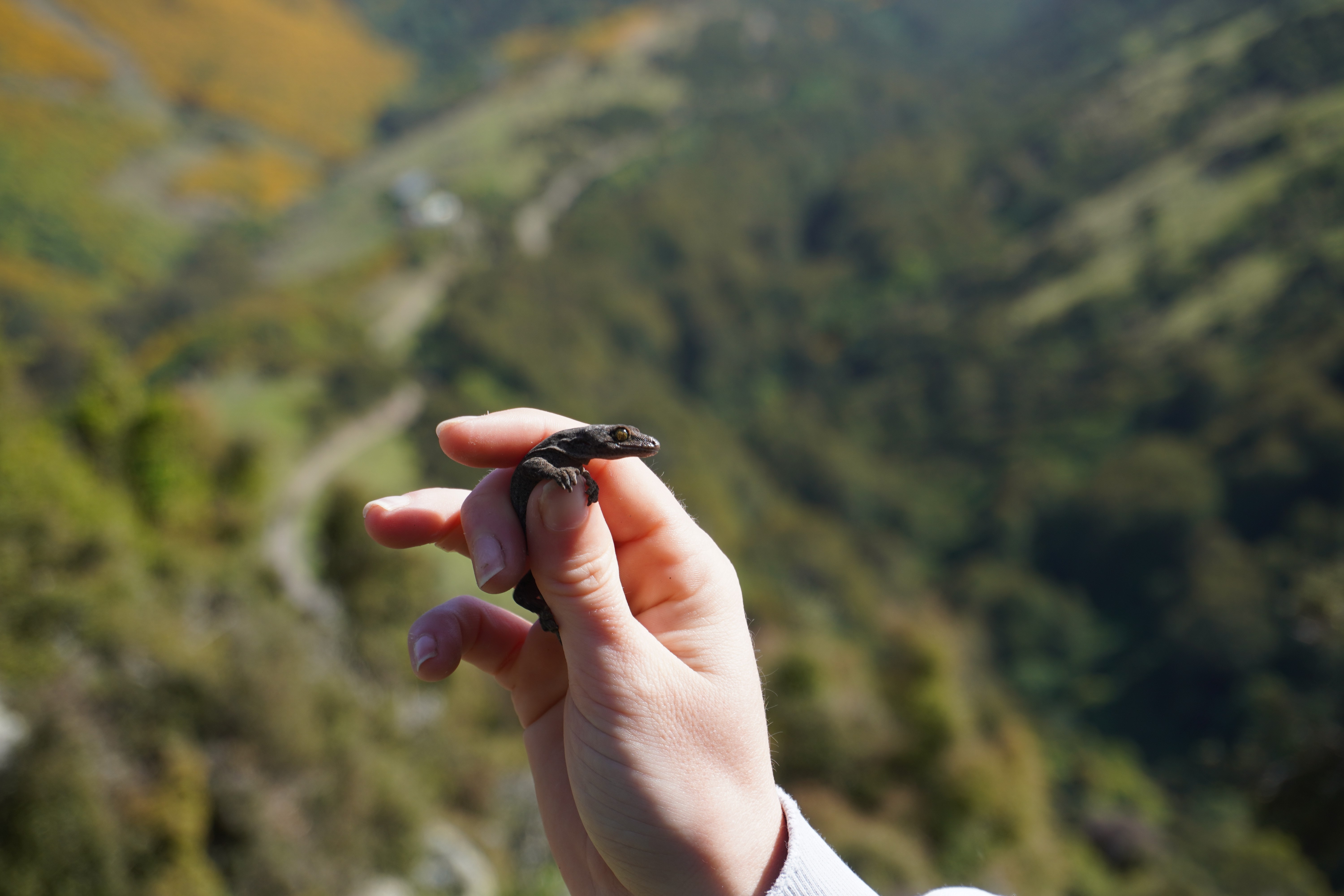
    Has your cat ever brought in a nice present only for you to find it’s a lizard? Have you seen a lizard scutling away on a nice sunny summer’s day while walking around the garden? Well, you may have lizards residing in your back yard!

    In New Zealand we have over 125 different lizard species, 76 are skinks and 48 are geckos, all but one one skink species is native. Of these 126 species, 49 (~36%) are Threatened and a further 67 (~50%) are At Risk (Hitchmough et al., 2021). Therefore 86% of our lizard species are threatened by various factors, such as predation, urbanisation, habitat fragmentation, and agricultural intensification.

    We all need to play our part to ensure that lizards do not continue to decline.

    There are simple tools we can use that can help the lizards in our back yard. Skinks love to hide under rocks and in small gaps when startled. Geckos love to live in tight crevices, like spaces in wood, stone and even in various human-made structures (e.g. power boxes and garages).

    We can create structures called Artificial Retreats (ARs) that mimic these natural retreats that lizards love so much. Artificial Retreats are a tool that we can easily implement that can support vulnerable lizards.

    Currently, artificial retreats have been designed for scientific monitoring and are commonly constructed from roof-cladding Onduline sheets, which isn’t an easily accessible or cheap material. My thesis investigated two other alternative designs that are constructed in a manner that is easily accessible to landowners and public members keen to do their part in lizard conservation.

    One AR type was constructed from a stack of three bricks (Figure 1) that have a 10 mm wooden dowel stuck between each layer so that the lizards can easily move between them.

    The second was constructed from two plywood sheets (Figure 2), bolted together, with the 10mm dowel in between the sheets.

    The third was the common Onduline design (Figure 3). I tested these ARs across Canterbury farms located at Cleardale Station in the Rakaia Gorge, as well as Flea Bay and Goughs Bay on Banks Peninsula.

    I captured 26 lizards to test in the three AR designs and there was no preference among the three. However, the geckos at Cleardale Station preferred some designs more than the Flea Bay lizards. At Flea Bay, the lizards were more commonly found in the brick (46%  of all geckos) whereas at Cleardale they didn’t use the brick ARs. At Cleardale Station, a equal number (17%) were found in both Onduline and wooden ARs. At Flea Bay, 17% lizards were captured and only 4% of lizards were found in the Onduline design at Flea Bay.

    Depending on the location of the property and the species of lizards present, there will be differences in which AR they prefer. Having an option of several different AR designs is preferable. 

    During the field trials I found that the ARs did not withstand heavy stock (cattle)interactions and were frequently interfered with. However, I did not have any problems with ARs placed in sheep paddocks.

    Landholders can implement any or all three of the designs into their property and all have a chance of lizard occupation. A variety of designs means that landholders can choose which AR design to use based on what available materials they have.

    Having a choice of AR designs make it accessible to whomever wants to conserve lizard species on their properties without having to spend large amounts of money or spending valuable time having to source the materials to construct the AR.

    Key design components and considerations when planning and building lizard ARs.

    • The ARs need to have at least one gap that has a 10mm gap.
    • Placed in an area where lizards or their poo have been seen.
    • Recommended not to be placed in a paddock in cattle.

    Acknowledgements: A massive thank you to the financial support for this project from The Brian Mason Trust and the North Canterbury Forest and Bird Trust.

    Reference

    Hitchmough, R., Barr, B., Knox, C., Lettink, M., Monks, J., Patterson, G., Reardon, J., van Winkel, D., Rolfe, J., & Michel, P. (2021). Conservation status of New Zealand reptiles, 2021.  

    Written by Sam Fitzgerald, a MSc student in the Department of Pest-management and Conservation at Lincoln University.

  • Collecting mammals: camera traps in eastern Nepal

    Collecting mammals: camera traps in eastern Nepal

    Collecting things seems to have deep roots in the human brain. There are few things more satisfying than finding something unexpected that you really need for your collection. The shock (woah!), the excitement (at last!), the surprise (how did this get here?), the urgency (I better grab this before someone else does), even though anyone standing close to you probably won’t care about this!

    My youngest son had a few years of thrifting where he would scour second-hand stores for ‘cool clothes’ that he could buy and then sell on for a reasonable profit to people who wanted that retro look but didn’t want to spend time searching. Edgar trained me up to spot certain brands, labels, styles and so on. For about five or six years I spent a lot of time browsing ‘dead peoples’ clothes’ as my middle son Arthur called them. I still remember a great trip with Edgar as I took him to a university semester in Dunedin. We struck gold in Waimate (a little off the beaten track) and found 30+ items!

    A small selection of Tanith Lee.Active from the 1970s till the 2010s – prolific and great for collecting! The Winter Players and Companions on the Road are two of my favourite (short) books ever. Image from Adrian.

    What do I collect? I guess there is a distinction between hobbies and collecting? I have a lot of small plastic figures that I love painting but I am not searching for some elusive or rare halfling commando. I buy a lot of boardgames and there are some older games that I might keep an eye out for, but I would count these as hobbies not collecting.

    Books, I have a lot of books…. Some of that is hobby – reading the latest books by Tad Williams or Lindsey Davis, for example. But I definitely collect some authors (Tanith Lee, Robert Howard) and spend time in second hand book shops with a list…. I still remember the day that I found the original D&D colouring book in absolutely mint, uncoloured condition! So rare! So elusive! All mine! (Sadly it has somehow gone missing from my collection in recent years!).

    Collected on camera – a red panda. Image by Sonam Lama

    As a zoologist interested in natural history, you are also dealing with collecting. Typically you want to collect the types of species found in an area. This tells us a lot about species diversity and richness, conservation, ecological interactions, evolutionary adaptations and so much more! This collection could be physical (like the hundreds of thousands of insect specimens found in our LU Entomology Research Museum) or it could be observational, where spotting an individual from a species can be logged (like with iNaturalist). But it certainly scratches the collecting itch.

    Observations can be direct (e.g. I saw that animal) or indirect (e.g. I found a footprint of that animal). Either way these are data that tell us that a species is found in the area. We are increasingly relying on indirect methods to collect observations – in fact much of our wildlife research here in Pest-management and Conservation is around developing better ways to monitor our mammal pests.

    Sonam Lama was a Master of International Nature Conservation student at Lincoln University. He had spent a lot of time working for the Red Panda Network back in Nepal. As part of his research, with Adrian Paterson and James Ross, he was interested in being better able to monitor red panda in the wild (but that will be another story!). Sonam was also keen to find what other species share the red panda habitat in far eastern Nepal. Were there many predators? Were there many competitors?

    Sonam in the forest of eastern Nepal. Image by Sonam Lama

    Sonam worked within the high altitude (between 2-4000 m abs) forests of Ilam, Panchthar and Taplejung, which provide a corridor between the rest of Nepal and India. Over this large area Sonam identified sites where he could put his 60 cameras. Typically the cameras were attached to the base of a tree. Observations from these camera traps were made through winter and spring. Results have now been published in the European Journal of Wildlife Research.

    So what did Sonam collect? Over 3000 camera trap days about 90000 images were recorded. Two thirds were false triggers (vegetation moving in the wind, sudden changes in temperature with sunrise and sunset) – such is the bane of the camera approach. About 11000 were of local people moving through the forest. Amongst all of this were over 5000 images of mammals, including 23 different species, and 3600 images of birds, including 37 species.

    Seventeen of these mammals were medium to large and could be identified. Red panda were observed. The commonly seen species were a deer – northern red muntjac, wild boar and leopard cats. The rarest were other cats: marbled cat (first record in Nepal), Asiatic golden cat and common leopard. The spotted lingsang was also collected for the first time, as was the first melanic (black) leopard.

    Collecting images and video also allows us to look at behaviour. We can get a sense of when species are active. We can see which species move around in groups. Wild boar foraged for tubers in front of the camera, red panda marked their territory, two porcupines mated! Red panda and macaques were active during the day, red foxes and porcupines were nocturnal.

    Collected on camera, a melanic form of leopard. A first for the region. Image by Sonam Lama.

    All of these collected images and videos provide little snapshots of natural history for these species, many of which are difficult to find any other way. Our understanding of potential threats for red panda has also increased. They definitely share their habitat with several potential predator species (and we found a few that were not even known from Nepal). Perhaps more importantly we were able to show that people are common in these habitats and that they are often accompanied by dogs. Good to know from a conservation point of view!

    Collecting images of different species using trail cameras is an increasingly common tool around the globe. It is becoming an essential tool for monitoring species. It doesn’t hurt that there is that thrill of the collector when you find an image of something surprising in amongst all of those misfires.

    This article was written by Adrian Paterson (Pest-management and Conservation at Lincoln University). Yes he is a collector ( I guess you could argue that he collects EcoLincNZ articles!).

  • Pesty plastics: Removing a problem from wildlife management

    Pesty plastics: Removing a problem from wildlife management

    We often put up with bad situations because they stop something worse happening. This can be as big as having nuclear weapons to stop major wars occurring. Paying taxes is a burden but it keeps a society healthy and connected. Not eating so much chocolate seems wrong but will give you better long-term health.

    And then we have plastic. Plastic must rank as one of the most successful of human inventions. It can be used in myriads of applications, keeps foods hygienic for longer, and allows more people to have the luxuries of the modern world. Plastic also causes incredible waste and we are still learning about the ongoing and long-lasting impacts that occur from the breakdown of plastics into smaller and smaller molecules.

    One of the biggest shifts in day to day life over the last decade or so is the movement away from plastic where possible. Many countries have banned (or are banning) single use plastics. I would doubt that there is anyone unaware of plastics as an issue for our sustainable future.

    Plastic figures from Cthulhu: Death May Die! A great game with great plastic figures (but some guilt comes with it!). Image from Adrian Paterson.

    One of my hobbies is in collecting and playing board games. Historically there has been a lot of plastic in games. Lately, there has been a real effort by gaming companies to make as much as possible from cardboard and wood and to remove stuff like shrink-wrap. (Although I do love me some great detailed plastic miniatures some of the time. I try to add use by painting them. Unfortunately, there is still nothing quite as good for sculpting as plastic. Hopefully that will change (see this approach using mostly wood shavings as a building matrix called re-wood).)

    As we have mentioned many times on EcoLincNZ, we do a lot of research on vertebrate pest management, especially in monitoring and detecting mammals, like stoats, deer, possums, hedgehogs (even elephants and leopards). Controlling these pests is vital for conserving New Zealand’s endemic biodiversity. We are very good at doing this and improving all of the time. Unfortunately, we use a lot of plastic.

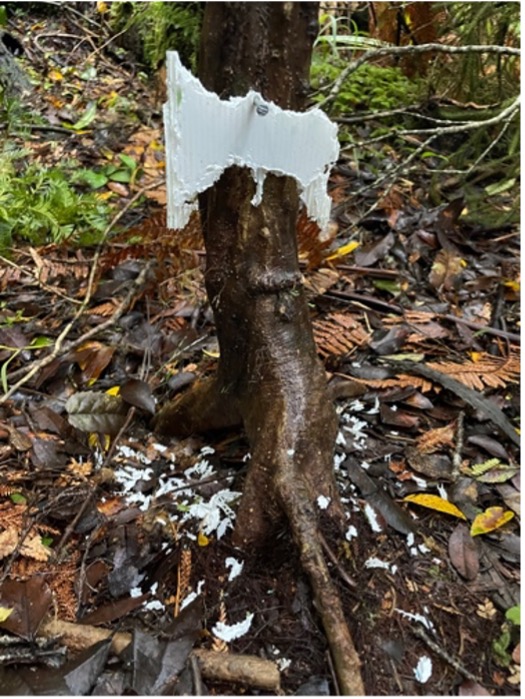
    Our tracking tunnels, chew cards and wax tags all have significant plastic components. Some of these are single use, some can be used a few times, but there are always some that get left in the environment. Also, many of the places that we are interested in monitoring are, by definition, in areas that have low human impacts and very little exposure to plastic. And here we are bringing the plastic there.

    Tracking tunnels are made of plastic. Typically they can be used multiple times but many are left in the monitoring areas. Image from Adrian Paterson.

    Now, you could argue that a few negatives of using a relatively small amount of plastic is far outweighed by the good that using these devices does. And you would be correct. But what if we could have our cake and eat it too?

    Katie Pitt is a PhD student at Lincoln University. She and her supervisors, James Ross and Adrian Paterson, have just published a paper in New Zealand Journal of Zoology where they question the use of plastic in wildlife management and ask whether we can do better.

    Katie looked at how much plastic is munched up by species, like rats and mice, when they interact with chew cards placed in various habitats. These bits of plastic remain in the rats and then the environment even if the cards are retrieved. The plastic fragments are also much reduced in size by the nibbling and can move around much easier, through wind, rain and rodent stomachs. The removed chew card will also end up in landfills.

    Katie found that chew cards in Canterbury and Taranaki typically left 15% of their volume behind in the environment as nibbled bits. Given the scale of monitoring throughout New Zealand this can quickly add up to a lot of plastic in areas that typically have no plastics.

    A well nibbled chew-card. All that missing plastic is now on the forest floor or in the faeces of rodents. Image from Katie Pitt.

    There may be an alternative. Katie tested some new chew cards made from wood pulp, and so fully biodegradable. Of course we don’t want to use a product that is inferior to what we already use, especially for something as important as protecting our biodiversity. Katie tested the use of wood pulp chew cards alongside plastic models. She consistently found that they performed just as well in a range of conditions (including with a lot of rain!). Katie also found that prices per chew card were similar with scope for the wood pulp cards to eventually become cheaper.

    Is this a problem that people want to solve? Katie asked individuals from 30 organisations that work in pest monitoring and found that 97% were keen to move away from single-use plastics, as long as there was no major reduction in functionality and cost.

    So we have a problem, people want to solve this problem, we have an alternative, and this alternative seems to work as well as what we already have. Eat that cake and have it as well!

    There is still a bit of work to do to scale this up to the levels that we need if this is to replace the status quo. Katie is also looking at how we would replace tracking tunnels. But the future is looking bright. And plastic-free.

    Adrian Paterson is a lecturer in the Department of Pest-management and Conservation at Lincoln University. As a Twin Peaks fan from way back, he really wanted to use “She’s dead, wrapped in plastic” in this article.

  • Why don’t restored streams bounce back?

    In New Zealand, many would agree that fresh water is one of our most loved natural resources. We drink it, we swim in it, we use it to farm and to make a living, we even use it to generate our power! Unfortunately, especially in Canterbury after some major earthquakes, many of our streams and rivers are struggling. They look something like this:

    Kowhai River, Kaikōura. From Environment Canterbury, ND.

    In stream restoration, we want to return the features of a stream back to their original state, before things like urban development or introduced species affected the quality. This includes adding native plants, allowing fish to make their way out to sea or further upstream, and making sure farm animals can’t walk straight into the stream. All of these things and more can help us to make healthier waterways.

    It does not always go to plan, with some hardy introduced species putting a spanner in the works and refusing to co-operate with careful scientific methods. Imagine a beautiful stream that’s been through tough times—pollution, habitat destruction, earthquakes you name it. People step in – scientists, council members, developers, maybe the general public, and they work hard to restore it, but here’s the kicker: sometimes, things just don’t bounce back like they should. Why? That’s exactly what a recent study by Issie Barrett and her team set out to uncover.

    To understand why streams struggle to recover even after the most thorough restoration efforts, we need to understand a few key factors.

    1. Species Interactions: In a healthy stream, different plants and animals interact in specific ways, such as some animals eating others or different plants competing for space. When a stream is damaged and then restored, these interactions might not work the same way anymore. This can make it harder for the original species to come back and thrive.

    A particular species of snail, the New Zealand mud snail (P. antipodarum) is particularly good at living in these degraded streams, they thrive under pressure and limited food sources. These snails are perfect species to take over a degraded environment and reduce the recovery ability! So even when original species are introduced, such as the mayfly, the same food source now has double the competition, meaning a negative reaction – that habitat can’t provide that much food even in a restored state.

    New Zealand mud snail Potamopyrgus antipodarum. Photo Credit Michal Maňas 2014

    2. Negative Resistance: This is a big concept, which in essence means that even when the physical conditions of a stream improve (like cleaning up pollution or adding new habitats), the plants and animals in the stream don’t always come back as quickly or fully as hoped.

    During the stream’s degradation years, new species like the mud snails might move in – kind of like uninvited guests crashing a party. Even after things are cleaned up, these newbies can stick around and hog resources, making it harder for the original gang to make a comeback. This is what they call “negative resistance.” This can happen because the habitat is too degraded for the ideal species to thrive even if they did before.

    3. Resilience Mechanisms: This means the ability of a system to absorb and adapt to change, ultimately returning to the restored ideal. This is where our negative resistance comes into play. If the species or the system is already not functioning as it should, we are going to have a hard time creating a resilient system that can adapt to a changing environment and overcome any future issues.

    For example, a high level of nitrogen could change the make-up of the riverbed so drastically that a species sensitive to nitrates may never repopulate that system. Understanding the relationship between negative resistance and resilience is important for predicting and enhancing any successful restoration efforts.

    What can we do?

    Look at the Big Picture: When restoring a stream, it’s not just about fixing what we can see. We need to think about how all the different plants and animals interact with each other. This includes what nutrients are in the water and what microscopic invertebrates might be living in that water.

    Keep Checking In: It’s important to keep watching restored streams over time to make sure they’re getting better and to fix any problems that come up. If we don’t see an improvement in 5 or 10 years, there must be something else we can do.

    Be Flexible: Sometimes, we might need to change our restoration plans based on what we learn from watching how the stream responds. As scientists we have to be okay with admitting our first idea didn’t work, and then be willing to help come up with a better solution for the future.

    Vegetated drain in Canterbury with optimum riparian planting. Photo credit Jon Sullivan, ND.

    Why it matters

    Overall, there are some pretty complex systems that are at play in stream restoration projects. It is not as simple as putting in some better plants and some bigger, cooler rocks and hoping it will all work out in 10 years. By paying attention to how plants, animals, and the environment all work together, perhaps we can work towards a deeper understanding of the best ways to help our New Zealand streams thrive for many more generations to come.

    I think it would be pretty cool to keep swimming in our rivers and looking for fish in the summer, but next time you go to your local river, have a look and see what plants and other animals would really love to keep living there too.

    This article was prepared by Postgraduate Diploma in Environmental Management student Tayla Cross as part of the ECOL608 Research Methods in Ecology course.