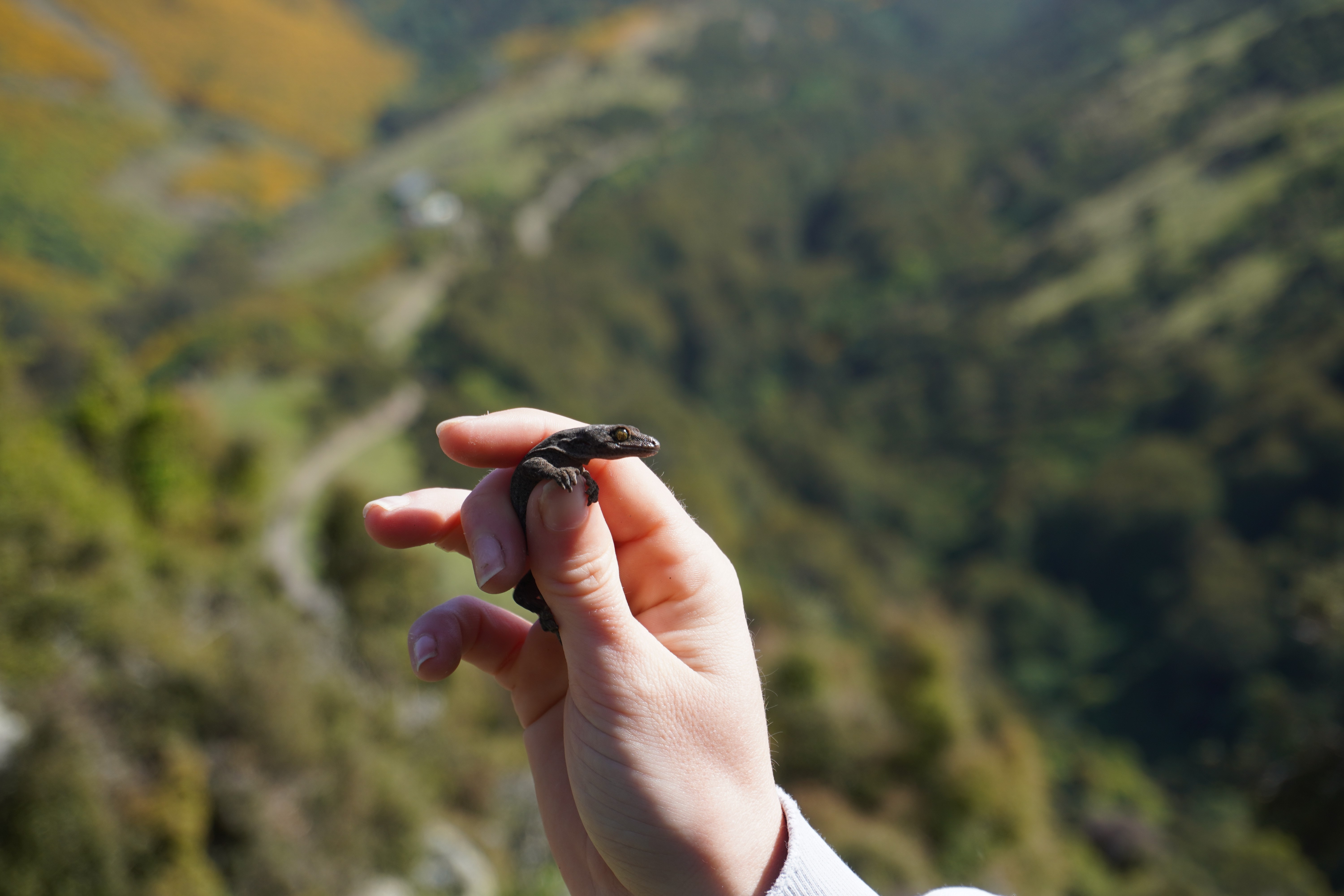
Category: agroecology

  • Amaizing distribution: nematode infestations of NZ corn

    Amaizing distribution: nematode infestations of NZ corn

    Are your maize plants growing well in the field? If not,we can often blame plant parasitic nematodes.

    There are around 4100 known species of nematodes and they cause a considerable loss of agricultural produce, with estimated global crop damage of $US 358 billion every year.

    The life cycle of these plant parasitic nematodes have four stages, and the second-stage juvenile (J2) is the destructive phase. Most nematodes are sedentary inside the host and others survive in the soil.

    Written by Sambath in behavior, conservation, front page profile, invasive species, student blog, Uncategorized, zoology, pest management

    In the 2021/22 NZ growing season, about 196,000 tonnes of grain and 1,200,00 tonnes of silage were harvested, making maize one of the most cultivable crops in New Zealand. Around 58% of the harvest was grown for livestock feed demand, and the remaining 42% was for food and industrial processors.

    Plant parasitic nematodes are common in New Zealand and many horticulture industries have experienced a substantial loss of profits from these destructive plant pests. While maize is one of the most crucial crops in this country reported to be damaged by various species of nematodes, few studies have been conducted here compared to other countries.

    So, Nagarathanam Thiruchchelvan, a PhD student at Lincoln University, and his team conducted research to identify and quantify plant parasitic nematode infestations of maize production across New Zealand. Their purpose was to investigate the prevalence and diversity of several genera of plant parasitic nematodes.

    Plant parasitic nematode feeding types. Image from Paulo Vieira & Cynthia Gleason

    The researchers collected a total of 384 composite soil samples from 25 maize fields located in the North and South Islands, focusing on: Canterbury, Waikato, and Manawatu-Whanganui. Data collection was carried out at various maize growing stages and seasons during 2022.

    It was not good news!

    The researchers found that at least one genus of plant parasitic nematode was detected in 378 (98%) of the maize samples. Pratylenchus was the most prevalent and widespread genus (91%) followed by Helicotylenchus (38%).

    Plant parasitic nematode. Image from Scot Nelson

    The plant parasitic nematode population and diversity were higher in Canterbury than in Waikato and Manawatu-Whanganui. Thiru and his team believed that the inconsistent distribution was caused by different climate and geography conditions between the two regions. For example, the South Island is more diverse in soil physiochemical proportions than the North Island.

    Thiru also observed that soil orders, a soil classification system, affected the proliferation of plant parasitic nematode populations, with brown and pallic soil types promoting nematode reproduction, especially for Pratylenchus. Pallic soils refer to a soil type having pale, fragile topsoil and compacted subsurface. For the brown soil, its topsoil is dark grey-brown, and the subsoil is tan or yellowish-brown.

    The lowest number of plant parasitic nematodes was detected in organic soil. Organic-rich soils favor a wide range of beneficial fungi, bacteria, and nematode survival. These microorganisms can suppress the proliferation of plant parasitic nematodes by either feeding on eggs or predating invasive nematodes.

    The study further indicated that the population and diversity of plant parasitic nematodes increased alongside distinguishing developmental stages of maize. Most nematodes were reported from the harvesting stage, while the least were from the seedling stage.

    Root-knot nematode (Meloidogyne enterolobii). Image from Jeffrey W

    Thiru and his team noticed that rotating maize with other crops played a significant role in reducing the incidence and prevalence of plant parasitic nematodes in the field. These other crops included ryegrass, pasture, wheat, white clover, potato, peas, and winter crops. One maize field located in Canterbury was detected with a high significant intensity of 3000 nematode root lesions per kg of roots as a result of non-rotation practice.

    Thiru concluded that there was a requirement for a deeper understanding of dispersal, feeding characters, and life cycle of plant parasitic nematodes, in particular, root-lesion nematode (Pratylenchus) in maize fields across New Zealand. Specific pest management approaches are needed to control the prevalence and abundance of targeted nematodes impairing maize production in both islands.

    These article was prepared by Sambath Seng, a Master of Science student in the Department of Pest Management and Conservation at Lincoln University.

    Thiruchchelvan, N., Kularathna, M., Moukarzel, R., Casonato, S., & Condron, L. M. (2024). Prevalence and abundance of plant-parasitic nematodes in New Zealand maize fields: effects of territory, soil orders, crop stage, and sampling time. New Zealand Journal of Zoology, 1-22. https://doi.org/10.1080/03014223.2024.2424900
  • New Zealand’s most stubborn weed

    New Zealand’s most stubborn weed

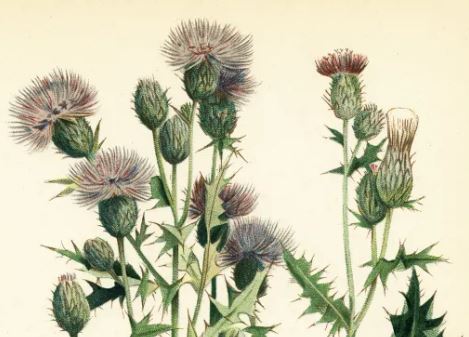
    Cirsium arvense is commonly known as the Canada thistle in USA and Californian thistle in Canada. No one wants to take responsibility for these prickly things. They actually come from Europe where they are called creeping thistles.

    This thistle is a small weedy plant that can be a potential nightmare for New Zealand farmers. According to the NZ Ministry for Primary Industries, (2021), it cost the country $722 million in lost revenue in the year 2020 alone, up from $31 million in 2009.

    Photo by Make It Old (Flickr User)

    Given the disruptive nature of this weed, Wendy Kentjens, a budding weed ecologist with the passion for gardening, along with her supervisors, Seona Casonato and Clive Kaiser, decided to learn more about controlling the Californian thistle population on New Zealand pastures.

    To understand why Californian thistles are so weedy, Wendy decided to study the interesting microscopic world of the endophytes living inside, and how they may help or hinder the plant.

    Sounds straight forward! Well, it was far from that.

    Here is a summary of the challenges Wendy faced while carrying out research on Californian thistles.

    Ah the prickly little devils…’ – Working with the thistles meant cuts and scratches all through the research.

    Miss Unpopular, conducting pot trials at the nursery.’ – Turns out, planting weeds that no one likes is a fast way to make some frenemies.

    The sheep ate my data!’ – Wendy found that the sheep initially didn’t eat thistles on pastures, but when they got infected with a rust fungus (Puccinia punctiformis), it made it very tasty for the sheep. She talks more about using rust fungas as a biocontrol agent in her paper “Californian thistle (Cirsium arvense):endophytes and Puccinia punctiformis” (Kentjens et al., 2024).

    Hard to photograph the entire plant.’ – It can be really hard to see all the features of a plant from a single photo; Wendy’s mum made her a pencil drawing of the weed for her thesis.

    Figure drawn by Marion van Cruchten


    How do you find the microscopic endophytes within the thistle?

    To find all the endophytes present in these thistles, the bottom, the middle, and the top leaf of the plant were all cut into small 5 mm2 pieces and placed in a petri dish over a growing medium. Then, spore by spore, each different looking fungus was isolated into new growing dishes and incubated.

    Voila! Now Wendy had pure cultures of all the fungi she had found and was all ready for the next step.

    DNA from these pure fungal cultures was collected and identified.


    What did they find inside?

    A total of 88 genera of fungi were cultured from the plant tissue, of which 65 were not previously associated with Californian Thistles.

    The diversity found was a significant increase in our understanding of this infamous weed and what lives within its structure that makes it supposedly invincible.

    Fungal biocontrol can be an effective tool against these weeds. However, Endophytes can alter outcomes of a host–pathogen interaction. A recent study published by Manaaki Whenua (Landcare Research), found that 60% of all rust fungus released as biocontrol had a medium effect on the weed host or a variable effect. Around 15% of all rusts released as biocontrols have failed to become established at all.

    There could be a number of reasons for the variable or unsucessful results. In the case of the invasive Japanese knotweed (Fallopia japonica), two of the endophytes accociated with the weed (Alternaria sp. and Phoma sp.) hindered the establishment of fungal biocontrol by suppressing the production of rust pustules (raised masses of coloured spores that rupture epidermal leaf tissue). (Den Breeyen et al., 2022).

    Understanding these organisms living within the thistle will help future studies on the effective use of fungal biocontrol in fighting these “lovely” weeds. Looking at the endophytes and how they are helping these weed propogate so sucessfully will help us get one step ahead of it and hopefully find biocontrol agents that can circumnavigate these endophyte-host relationships.

    Note that the figure drawn by Marion van Cruchten is currently under review by the European Journal of Plant Pathology titled ENDOPHYTIC DIVERSITY AND COMMUNITY COMPOSITION OF CIRSIUM ARVENSE TISSUES OVER A GROWING SEASON. Authors Wendy Kentjens, Seona Casonato, and Clive Kaiser

    This article was prepared by Master of Science student Dee Patel as part of the ECOL608 Research Methods in Ecology course.


    References:

    Den Breeyen, A., Lange, C., & Fowler, S. V. (2022). Plant pathogens as introduced weed biological control agents: Could antagonistic fungi be important factors determining agent success or failure? In Frontiers in Fungal Biology (Vol. 3). Frontiers Media S.A. https://doi.org/10.3389/ffunb.2022.959753

    Kentjens, W., Casonato, S., & Kaiser, C. (2024). Californian thistle (Cirsium arvense): endophytes and Puccinia punctiformis. In Pest Management Science (Vol. 80, Issue 1, pp. 115–121). John Wiley and Sons Ltd. https://doi.org/10.1002/ps.7387

    Kentjens, W., Casonato, S., & Kaiser, C. (2024). Endophytic genera in californian thistle (Cirsium arvense (L.) Scop.). Australasian Plant Pathology, 53(2), 199–210. https://doi.org/10.1007/s13313-024-00972-w

    Ministry for Primary Industries. (2021). Economic costs of pests to New Zealand (Nimmo-Bell & Associates, Ed.; Paper No: 2021/29). Ministry for Primary Industries. https://www.mpi.govt.nz/dmsdocument/48496-Economic-costs-of-pests-to-New-Zealand-Technical-report

    – figure drawn by Marion van Cruchten is currently under review by the European Journal of Plant Pathology titled ENDOPHYTIC DIVERSITY AND COMMUNITY COMPOSITION OF CIRSIUM ARVENSE TISSUES OVER A GROWING SEASON. Authors Wendy Kentjens, Seona Casonato, and Clive Kaiser

  • The Magical World of Grass and Clover

    The Magical World of Grass and Clover

    *Disclaimer: This article contains Harry Potter references

    After four years of living and studying together, you would think you know someone pretty well. Alas, last week it turned out one of my flat mates had never seen (or read) Harry Potter… shocked, heartbroken, and outraged – the only way to solve this flat feud was to start from the beginning and watch Harry Potter and the Philosopher’s Stone.

    The next day, it was back to study. However, I couldn’t get the wizarding world out of my mind, especially knowing that the second movie, the Chamber of Secrets, was scheduled for that night. It got me thinking. Every hero has a sidekick. Batman and Robin, Frodo and Sam, Harry and Ron. But what if these iconic heroes don’t only exist in the worlds of Gotham City, Middle-earth, or Hogwarts. What if the heroes on this earth have sidekicks too?

    Legumes (like clovers) are heroes. Destined for greatness and capable of incredible things, they can capture nitrogen (N) from the atmosphere and convert it into ammonia, a biological form of nitrogen that fuels the ecosystem. Farmers often incorporate clovers into their pastures to provide nitrogen into the system. Because of their magic-like nitrogen capturing abilities, clovers boost the growth of neighbouring grasses and create an increase in food quality and quantity for grazing animals.

    White Clover (Trifolium repens). CC BY 2.0. Harry Rose

    It is generally understood that this is a one-way relationship, meaning clovers are humble heroes that provide N to the grasses and plants surrounding them. However, through my muggle research, I came across a recent study titled “Grasses procure key soil nutrients for clovers” by PhD student Zhang Wei.

    Could it be? A sidekick to our green three-leaf (sometimes four if you’re lucky) hero?

    Wei and his team questioned whether we properly understand the relationship between clovers and grasses. For the purpose of this article, let’s think of clovers and grasses as characters to understand better their relationship and how they work together.

    Perennial Ryegrass (Lolium perenne). CC BY-SA 4.0. Michel Langeveld

    Different plant species have various magic-like abilities to acquire nutrients. Grasses, for example, are potion makers and can release chemical substances into the soil to make elements such as iron (Fe), zinc (Zn), copper (Cu), and manganese(Mn) more available in the soil. Other plants call on the Room of Requirement and collaborate with fungi to increase access to nutrients through the fungal networks. Like how the Room of Requirement appears for those who need it most, fungi create symbiotic relationships with plants, enabling more nutrients to ‘appear’ and become more accessible in the soil. And clovers, as you now know, use their spellwork to fix atmospheric nitrogen (N).

    However, just like the spell “Wing-gar-dium Levi-o-sa” requires a certain pronunciation, N fixation requires a certain nutrient – phosphorus. Phosphorus is a nutrient constantly in high demand for clovers due to N fixation being such a taxing process.

    Zhang Wei and his research team carried out experiments to better understand how grasses influence the nutrient availability for clovers. Clovers and grasses were grown separately in individual pots, much like Harry living alone in the cupboard under the stairs. They were also grown together in shared pots, similar to Harry and Ron bunking together at Hogwarts. Measurements were then taken from the soil and leaves in all the pots to understand how the clovers and grasses influence each other’s growth.

    The researchers found that grasses promoted the growth of clovers when grown together. This was evident when higher amounts of nutrients such as nitrogen (N), phosphorus (P), potassium (K), and sulphur (S) were found in clover leaves growing with grasses compared to clovers that grew alone. Grasses give clovers a boost in accessing essential nutrients, much like how Ron supports Harry, offering the strength and loyalty he needs to face He-Who-Must-Not-Be-Named.

    Mixed sward of White Clover (Trifolium repens) and pasture grasses growing together. Nicole Parnell. 2025.

    Additionally, more biomass was achieved when both clovers and grasses were grown together compared to when they were grown apart. How would Harry have gotten through his years at Hogwarts without his friends by his side? They achieve more when they work together. By sharing their resources, the plants could increase their biomass, which boosts livestock feed while lowering fertiliser demand.

    The muggle authors acknowledge that more research is needed to fully understand the complexities of how nutrients move through the soil in plant communities like this, especially under field conditions. In 2023, Zhang Wei and his supervisors took the study into the field and, once again, saw enhanced legume growth when grown alongside a diverse range of pasture grass species. Think of Harry’s resilience and leadership, Ron’s loyalty and humour, and Hermione’s intelligence and discipline, all of which work together to create a strong, unbeatable partnership. Similarly, there is an enhancement of nutrient uptake in diverse pastures with legumes (including native legumes) and grasses. This suggests a possible reduction in fertiliser requirements in pastures with increased plant diversity.

    A study that referenced Zhang Wei’s work similarly found that plant mixtures with various legume and grass species reduced intraspecific competition, a term that explains competition between individuals of the same species (think Gryffindor vs Slytherin). This means that the growth and productivity of both legumes and grasses were further enhanced when grown together.

    Zhang Wei’s PhD study provided further insights into the flow of nutrients within plant communities, demonstrating that grasses also play a vital role in nutrient availability and enhancement. This study builds on the argument that pasture diversity can reduce reliance on artificial fertilisers and promote sustainable farming methods. These methods can increase the ecosystem’s stability, making it more resilient to disturbances such as droughts and/or floods. Like any partnership, growing together makes them stronger.

    That’s where the magic happens.

    This article was prepared by Master of Science student Nicole Parnell as part of the ECOL608 Research Methods in Ecology course.

  • How to help lizards in your back yard/paddock

    How to help lizards in your back yard/paddock

    Has your cat ever brought in a nice present only for you to find it’s a lizard? Have you seen a lizard scutling away on a nice sunny summer’s day while walking around the garden? Well, you may have lizards residing in your back yard!

    In New Zealand we have over 125 different lizard species, 76 are skinks and 48 are geckos, all but one one skink species is native. Of these 126 species, 49 (~36%) are Threatened and a further 67 (~50%) are At Risk (Hitchmough et al., 2021). Therefore 86% of our lizard species are threatened by various factors, such as predation, urbanisation, habitat fragmentation, and agricultural intensification.

    We all need to play our part to ensure that lizards do not continue to decline.

    There are simple tools we can use that can help the lizards in our back yard. Skinks love to hide under rocks and in small gaps when startled. Geckos love to live in tight crevices, like spaces in wood, stone and even in various human-made structures (e.g. power boxes and garages).

    We can create structures called Artificial Retreats (ARs) that mimic these natural retreats that lizards love so much. Artificial Retreats are a tool that we can easily implement that can support vulnerable lizards.

    Currently, artificial retreats have been designed for scientific monitoring and are commonly constructed from roof-cladding Onduline sheets, which isn’t an easily accessible or cheap material. My thesis investigated two other alternative designs that are constructed in a manner that is easily accessible to landowners and public members keen to do their part in lizard conservation.

    One AR type was constructed from a stack of three bricks (Figure 1) that have a 10 mm wooden dowel stuck between each layer so that the lizards can easily move between them.

    The second was constructed from two plywood sheets (Figure 2), bolted together, with the 10mm dowel in between the sheets.

    The third was the common Onduline design (Figure 3). I tested these ARs across Canterbury farms located at Cleardale Station in the Rakaia Gorge, as well as Flea Bay and Goughs Bay on Banks Peninsula.

    I captured 26 lizards to test in the three AR designs and there was no preference among the three. However, the geckos at Cleardale Station preferred some designs more than the Flea Bay lizards. At Flea Bay, the lizards were more commonly found in the brick (46%  of all geckos) whereas at Cleardale they didn’t use the brick ARs. At Cleardale Station, a equal number (17%) were found in both Onduline and wooden ARs. At Flea Bay, 17% lizards were captured and only 4% of lizards were found in the Onduline design at Flea Bay.

    Depending on the location of the property and the species of lizards present, there will be differences in which AR they prefer. Having an option of several different AR designs is preferable. 

    During the field trials I found that the ARs did not withstand heavy stock (cattle)interactions and were frequently interfered with. However, I did not have any problems with ARs placed in sheep paddocks.

    Landholders can implement any or all three of the designs into their property and all have a chance of lizard occupation. A variety of designs means that landholders can choose which AR design to use based on what available materials they have.

    Having a choice of AR designs make it accessible to whomever wants to conserve lizard species on their properties without having to spend large amounts of money or spending valuable time having to source the materials to construct the AR.

    Key design components and considerations when planning and building lizard ARs.

    • The ARs need to have at least one gap that has a 10mm gap.
    • Placed in an area where lizards or their poo have been seen.
    • Recommended not to be placed in a paddock in cattle.

    Acknowledgements: A massive thank you to the financial support for this project from The Brian Mason Trust and the North Canterbury Forest and Bird Trust.

    Reference

    Hitchmough, R., Barr, B., Knox, C., Lettink, M., Monks, J., Patterson, G., Reardon, J., van Winkel, D., Rolfe, J., & Michel, P. (2021). Conservation status of New Zealand reptiles, 2021.  

    Written by Sam Fitzgerald, a MSc student in the Department of Pest-management and Conservation at Lincoln University.

  • Microbes matter in breaking down nitrogen in dairy pastures

    Our eyes are captivated by the breathtaking diversity of the living world, where billions of plants and animals enchant us with their variety and richness, thriving above ground or in water. But we often overlook the organisms beneath our feet, in the hidden world of soil, where an equally mesmerizing realm teems with life.

    E. R. Ingham: “Just one spoonful of soil can be home to millions of microbes“- the astonishing dynamic of these tiny, unseen organisms would blow our minds, if we only knew their story.

    I am fascinated by the biodiversity of the massive underground community. Countless small living things, such as microbes, insects, and earthworms, are tirelessly at work, busily breaking down organic matter and waste like leaf litter, faeces, and other dead organisms.

    Soil sample under the microscope, Image credit: © William Edge
    from Dreamstime.com CC BY-NC 2.0

    These organisms play fundamental roles in decomposition and also contribute to unlocking essential nutrients, like nitrogen and phosphorus, making these nutrients more available to plants. However, some microbial species can degrade useful substances, primarily affecting the cropping system and leading to lower crop yields in agriculture.

    In New Zealand, our grazing pastures face a significant challenge of soil microbes depleting essential nitrogen (N) in the soil. The NZ dairy industry has a substantial economic impact. A report by Sense Partners highlights that DairyNZ accounted for a quarter of New Zealand’s total export earnings (26 million) in 2023, making it a crucial contributor to national prosperity. For dairy farmers, “grass is green gold” because high-quality pasture is the key to their success, supporting healthy and productive livestock.

    Nitrogen boosts pasture supply, especially when N fertilizer is applied in mid to late spring. In most regions, this application results in an optimal and reliable grass response of around 10 to 15 kg DM/kg N. Why the need to apply synthetic fertiliser when nitrogen is abundant in the atmosphere, which contains 78% nitrogen. The catch is that atmospheric nitrogen is not directly available to most plants (except for legumes) due to its highly stable form (N2).

    Given the necessity of nitrogen fertilisers in grazing pasture systems, a go-to choice is urea. It’s most cost-effective and the most widely applied nitrogen fertiliser in NZ dairy pastures. The scale of its usage is staggering, with over 400,000 tonnes of urea being used annually in dairy farm systems since 2013.

    Two Cows by Martin Gommel | Flickr | CC BY-NC 2.0

    There is a downside. Ammonia-oxidizing soil microbes release an enzyme called urease that can break down over 80-90% of urea fertiliser when soil moisture is high. This leads to significant economic losses for farmers and contributes to environmental pollution through nitrate leaching.

    Note: Urea is the substance of solid nitrogen fertilizer, while urease is an enzyme found in plant tissues, fungi, bacteria, and some invertebrates, but not in animals.

    Dr. Hossein Alizadeh, a senior researcher in the Department of Agricultural Sciences at Lincoln University, leads a team focused on addressing the problem of nitrogen loss in soil. They have identified key culprits of rapid nitrogen loss in the soil – urease-producing microbes.

    By understanding these microbes better, the team can develop solutions to enhance the uptake of nitrogen nutrients by pastures and reduce greenhouse gas emissions. This is crucial because nitrogen from livestock urine and agricultural fertilisers converts to nitrous oxide (N2O), contributing to about one-sixth of New Zealand’s CO2 equivalent greenhouse gas emissions.

    To detect the nationwide urea degradation levels in dairy farm pastures, Dr. Alizadeh and his research team collected soil samples from various regions, including Auckland, Canterbury, Manawatu, Marlborough, Nelson, Otago, Taranaki, Waikato, Wairarapa, and the West Coast. The sampled pastures primarily consisted of ryegrass (Lolium perenne L.) and white clover (Trifolium repens L.). Some grazing lands were relatively young, only nine months old, while others had 60 years of usage.

    To determine whether urease-producing microbes are present in different soil samples, researchers measured ammonium production. Urease breaks down urea and nitrogen in the soil converts to ammonia gas (NH3) and nitrate (NO3-) leaching. In the lab, if the urease producer actively breaks down urea and releases ammonia, the Petri dish with cultured microbes will show a pink colour (see Figure below). Additionally, to identify microbial bacteria and fungi, they applied the PCR (polymerase chain reaction) technique, morphological identification methods.

    Urease detection medium for isolation of soil urease producing microorganisms (left) and a purified urease (right). Own work CC BY-NC 2.0

    Hossein found some novel microbial species, such as Pochonia bulbillosa, Mariannaea elegans, and Gliomastixsp., which were reported for the first time for their urease production. The study also revealed variations in urease activity among the isolates and a diverse microbial community composition across different locations. For instance, in Nelson, bacteria were the dominant urease producers in the soil, while in Oxford, it was fungi, marking a significant discovery in soil microbiology.

    The groundbreaking research by Dr. Hossein and his team on identifying urease-producing microbes not only provides fundamental knowledge but also opens up possibilities for practical applications. The findings suggest the potential of manipulating these microbial populations in soil to reduce urease activity, a concept that is being further explored in the N-Bio Boost program led by Professor John Hampton of Seed Technology at Lincoln University. This project, funded by the New Zealand government and the fertilizer co-op Ravensdown, aims to harness a naturally occurring fungal species in the soil to enhance the nitrogen efficiency of plants, promising both environmental and economic benefits for New Zealand.

    So next time you are walking on pasture, pause and appreciate the busy world that is found under your feet!

    This article was prepared by Master of Pest Management postgraduate student Danyu Li as part of the ECOL608 Research Methods in Ecology course.

    Alizadeh, H., Kandula, D. R. W., Hampton, J. G., Stewart, A., Leung, D. W. M., Edwards, Y., & Smith, C. (2017). Urease producing microorganisms under dairy pasture management in soils across New Zealand. Geoderma Regional, 11, 78–85. https://doi.org/10.1016/j.geodrs.2017.10.003

  • Fire-resisting superpowers in plants

    I don’t know what you like to eat at barbecues, but I like some nice roasted veggies! What I don’t fancy are burned broccoli or charred cauliflower. Who would want to eat that, right? Do you have an idea what causes huge amounts of burnt veggies each year? It’s wildfires!

    Seasoned vegetables,
    by polaristest (Flickr)

    With 8-11% of wildfires globally occurring on agricultural land you can imagine that these cause a lot of unenjoyable vegetables. Agricultural wildfires mostly derive from accidental ignition from machinery use or through the escape of fires initially deliberately lit for management purposes. Because 38% of land worldwide is used for grazing and cropping, there is a lot of potential for fire, which highlights the importance of reducing the fire risk to secure our major food sources.

    We don’t have to go far to realise the significance of this topic, as Canterbury accounts for around 20% of New Zealand’s total farmland, roughly 2,600,000 hectares of land. That is about the size of 3,700,000 rugby fields! Canterbury has a climate characterised by low precipitation and dry winds, good ingredients for an easily flammable outdoor barbecue.

    Local wildfires take away many people’s chance to roast their veggies themselves as well as causing a huge amount of economic and ecological loss. But what if we could use farmland for fire prevention? What if some crops actually had the superpower to fight against wildfires, or at least survive them?

    Canterbury NZ, by Simon (Flickr)

    There is a lot of information on how to plant mindfully, using low-flammability plants to create buffer zones that allow us to keep wildfires under control and stop them from spreading. Those ‘green fire breaks’ were tactically planted after the Port Hill fires in 2017 to prevent history from repeating itself. As green fire breaks can only help reduce the impact of wildfires to some extent, planting smart on farmland might add to the best practice, especially in fire-prone areas like Canterbury.

    That is exactly what was tested in a study by Lincoln University in 2023. Masters student Tanmayi Pagadala, with colleagues Azhar Alam, Tom Maxwell, and Tim Curran, tested 47 different agricultural plants for their flammability superpowers, following a simple recipe.

    Ingredients:
    – 47 different shoots and plants of the following groups: cereal crops, forage crops, fruit trees, grazing forbs, pasture grasses, weeds, pasture legumes, vegetables, and wine grapes.

    Utensils:
    – Infrared laser thermometer
    – Lighter
    – Plant barbecue (“a 44 gallon drum cut in half with a grill on top”

    Plant barbecue
    (Image by Hanna Hoeffner)

    Instructions:
    – Heat the grill by turning on the burner (125-199 °C)
    – Place your sample on the grill in a horizontal position and leave for 2 minutes
    – Turn on the blowtorch for 10 seconds to ignite the sample
    – Wait until the plant stops burning

    Following this recipe, one can evaluate the ignition time, the maximum temperature reached, the burning time, and how much of the sample was burned.

    After many days of barbecues, Tanmayi’s team was able to tell which plants have the superpower to resist fires better than others. Fruits and cereal crops had significantly higher flammability compared to vegetables, weeds, winegrapes, forage crops, grazing herbs, pasture grasses and legumes. Or, to make it more understandable, easily flammable crops dry faster, are generally dryer, and retain more dead material. Veggie superheroes were bell peppers, spring onions, and potatoes.

    Tanmayi’s team created “A fire-wise mixed cropping farm system” as a guideline for purposeful planting on farmland. The idea of fire-wise cropping is similar to green fire breaks. Using low-flammability native tree, grass and legume species as boundaries around higher flammable crops. 

    Broccoloid, by CaptainEdawardTeague (deviantart)

    Higher flammability species are then protected from wildfires that start outside of the farmland and also prevent fires started on the farm from spreading to neighbouring properties. While you must consider other factors, like local environmental conditions, economics, and goals like enhancing biodiversity, this approach can add to existing green fire breaks. By redesigning farms, we can utilise the fire-resistant superpowers of some species to safely plant non-super-powered plants and minimise increasing the wildfire risk.

    Even though this research was conducted in New Zealand, many of the species tested are common crops worldwide. Therefore, their superpowers could come in handy in many places with continuously increasing fire risks, putting veggies at the forefront of the fight against wildfires!

    This article was prepared by Master of International Nature Conservation student Hanna Hoeffner as part of the ECOL608 Research Methods in Ecology course.


    Pagadala, T., Alam, M. A., Maxwell, T. M., & Curran, T. J. (2024). Measuring flammability of crops, pastures, fruit trees, and weeds: A novel tool to fight wildfires in agricultural landscapes. Science of the Total Environment906, 167489. https://doi.org/10.1016/j.scitotenv.2023.167489

  • Fighting fire with farming: flammability of pastures and crops

    The Port Hills are a highly valued geographical feature of Chirstchurch. Located southeast of the city, they are home to a wide range of activities, including rock climbing and mountain biking, as well as being popular among walkers and joggers. Vegetation throughout the Port Hills is varied, containing a range of tussockland, pine forestry blocks, native scrub, farmed grassland, gorse and broom scrub and small pockets of remnant forest.

    On the 14th of February 2024, over 700 hectares of land was ravaged by wildfire in the Port Hills of Christchurch, New Zealand. Over 80 residents were evacuated, and around 130 firefighters with 12 helicopters were involved. Drought conditions and vegetation structure contributed to this event, but could the damage caused by the blaze have been reduced? Could grazing these hills with livestock have reduced the amount of tall dry grass present which fuelled the fire, or could different pasture or shrub species have helped to reduce the flammability of the Port Hills.

    A recent paper from Lincoln University’s own Tanmayi Pagadala, Azharul Alam, Tim Curran and Tom Maxwell has highlighted the differences in flammability between different pasture, crop, weed and shrub species found commonly on farms throughout Canterbury.

    Marley’s Hill on fire. February 15 2024. (Image CC BY-NC by Jon Sullivan)

    A good range of scientific work is available which has investigated the flammability of various plant species in New Zealand, but this has been mainly focused on species in natural areas (both native and exotic), rather than in agricultural environments. Gorse, eucalypts, pines and long grass are well known to be extremely flammable, so why is it that certain areas of the port hills were allowed to return to their same fuel rich state following the 2017 blaze which destroyed over 1600 hectares? It must be acknowledged that efforts were made to replant some of the previously burnt areas in green firebreaks and others in less flammable native species, which were shown to survive the previous blaze in well-established areas.

    Species that regrow following a fire are often also very flammable (eg. gorse and pine). Unfortunately, a significant proportion of the burned land was in pines for forestry, which has since been replanted and will likely create another significant fire risk for the foreseeable future. Continuing the efforts of plant firebreaks of less flammable tree species throughout the Port Hills, as well as within pine forestry blocks, should not be underestimated.

    Individually these breaks may not appear significant, but a thorough network of them throughout the Port Hills could be exactly what is needed to slow the spread of the next blaze and allow firefighters to gain control sooner. Minimising the presence of long, rank grass could also help to slow the spread of the burn.

    Could additional efforts be made in to reducing the presence of long rank grass through the addition of cattle to grazed areas which would trample and eat this dry plant material? Or perhaps planting more drought tolerant, water-efficient forages which can be grazed down during dry periods to minimise the fuel loading of grasslands could be beneficial.

    Dry, rank grass fuelling the blaze on Christchurch’s Port Hills. (Image CC BY Francis Vallance)

    There is a huge range of flammability in different crop and pasture species common to Canterbury farming systems. Assessments carried out on Lincoln University’s trusty ‘plant BBQ’ tested 47 different plant species and varieties common throughout Canterbury farms (see table below), including cereals, forage crops, fruit crops, forage herbs, forage grasses, forage legumes, vegetable crops, weeds and a range of wine grape varieties.

    Unsurprisingly, the majority of forage and pasture species showed very low flammability, as did some vegetable crops and wine grapes. Cereal crops behaved as expected, showing high flammability as they matured and dried off. Surprisingly, apple trees, pears and raspberries showed a high degree of flammability.

    Table of plant species and their relative flammability assessed by Pagadala and colleagues

    The slope of the Port Hills, and an average annual rainfall of 700 mm, means that using low flammability crops like potatoes or peas is not practical. There are, however, a range of pastoral species that show the potential to be beneficial in reducing the flammability of farmland. Forage crops, herbs, legumes and grasses all showed very low flammability scores, which is due to their high moisture content and quality traits meaning they carry very little dead material (the ideal fuel for fires).

    Knowing these flammability scores in addition to the the drought tolerant traits of species, such as lucerne, cocksfoot, red clover, plantain and chicory, raises the question: why are these species currently not implemented throughout the fire prone Port Hills as a method of reducing fire risk? Yes, these forages will become flammable if they are allowed to turn to a reproductive state. However, their drought tolerance and palatability will allow them to be well grazed during dry periods and not contribute to the fuel loading of hills anywhere near the amount that browntop and other native grasses will.

    Chicory next to native pasture in Taranaki. (© Blake Gunn – used with permission)

    The photos above paint a picture of a potential solution to the Port Hills fire woes. At the very least, an effort should be made to ensure that flammable biomass throughout the Port Hills is minimal. Minimising the presence of flammable species, such as gorse and pines, through manual removal or switching to planting less-flammable alternatives, such as native shrubs, are some potential solutions.

    Preventing the planting of pine plantations near the city and other populated areas seems like another fairly logical solution to reducing the fire risk in populated areas, as does surrounding these potential high-risk areas with low flammability and native shrub species. Another area of focus could be to focus more on the management of cattle and/or sheep to intensively graze the hillsides and ensure that a bank of highly flammable fuel does not build up over time. Intensive grazing will not only prevent grass banks from building up, but the ‘hoof and tooth’ activity from grazing may also prevent other flammable species, such as gorse and broom, from re-establishing.

    Lucerne transforming a Central Otago farm system (© Allister Moorhead – used with permission)

    Functional firebreaks could also be of huge benefit to these hillsides. In areas where tractor access is possible, consideration should be given to the establishment of drought-tolerant, low-flammability species, such as red clover, chicory, or lucerne. These will create ‘green zones’ throughout the hillsides that could slow the spread of the next inevitable fire, especially compared to the current vegetation which is prone to turning to a dry, reproductive state over summer.

    To wrap up, logic suggests that previous fires in 2017 and 2024 on the Port Hills, in combination with the presence of flammable vegetation, make another blaze in the future almost inevitable. The findings from recent research on the flammability of pasture and crop species commonly found on Canterbury farms, combined with modern grazing regimes present a real opportunity to significantly reduce the fire risk on the Port Hills. The use of firebreaks planted with native, low flammability species around high risk areas such as pine forestry blocks, along with the protection of existing pockets of native scrub/forest should also help to reduce the fire risk on the Port Hills.

    This article was prepared by Master of Science postgraduate student Kaylee Spain as part of the ECOL608 Research Methods in Ecology course.

    Reference article:
    Pagadala, T., Alam, M. A., Maxwell, T., & Curran, T. (2023). Measuring flammability of crops, pastures, fruit trees, and weeds: A novel tool to fight wildfires in agricultural landscapes. Science of the total environment, 906(1). https://doi.org/10.1016/j.scitotenv.2023.167489

  • Induced resistance, Sting, and the blades of Westernesse

    It’s a big, bad world out there and it is nice to find something that adds to our protection.This can range from vaccines against viruses, to seatbelts in cars, to laws against causing physical harm. As a naked ape we are not especially intimidating on our own and we often seek out tools to make us safer.

    “With both hands he held the elven-blade point upwards …; and so Shelob, with the driving force of her own cruel will, with strength greater than any warrior’s hand, thrust herself upon a bitter spike. Deep, deep it pricked, as Sam was crushed slowly to the ground.
    No such anguish had Shelob ever known, or dreamed of knowing, in all her long world of wickedness. Not the doughtiest soldier of old Gondor, nor the most savage Orc entrapped, had ever thus endured her, or set blade to her beloved flesh.” Lord of the Rings, JRR Tolkien (Image by Tony Galuidi; main image by Alan Lee)

    One of the key points of “The Lord of the Rings” (and all of Tolkien’s writing) is that small, seemingly ineffectual, individuals can make a real difference in the world. It’s not by chance that hobbits are smaller than humans, weaker than dwarves, less knowledgeable than elves. Tolkien emphasised their ‘normality’.

    Hobbits do have their strengths though, especially in resilience. They are able to withstand the corruption of the ring far longer than other races. Boromir, a doughty man, only has to see the ring once before plotting to ‘borrow it’ for helping with his people. Both Bilbo and Sam, ordinary hobbits, are both able to wear the ring and give it up freely, which no others have done.

    Still, even Tolkien realised that the hobbits needed a little bit of an assist, something that would help to bring out their resilient traits. Tolkien chose to give each hobbit a long dagger with an ancient pedigree. Sting was found by Bilbo. It was a blade that shone with a faint light when evil was near. Sting was made long ago in the first age by elves of Gondolin. Tom Bombadil rescues the hobbits from a barrow wight and gives them each a dagger of Westernesse. These were made a couple of thousand years before in the early Third Age by men of the Dunedain Northern kingdom.

    Each of these blades become crucial to the hobbits achieving beyond their expectations. Pippin stabs a troll chief, who are largely immune to most weapons, and makes a difference at the Battle of the Moranon. Merry cuts the Witch King’s sinews allowing Eowyn to destroy the head Nazgûl in the Battle of the Pelennor Fields, when no one else can touch him. Sam uses Sting to wound Shelob and scare her off, when nothing else would work.

    Importantly, the blades were built with different foes in mind. The blades of Westernesse were built to fight the Witch King and his minions but are useless against giant spiders. Sting was built at a time when Ungoliant’s spider brood were numerous and roaming the world, and so it is effective against Shelob and her webs.

    Merry stabs the Witch King and breaks the spell allowing Eowyn to destroy him.
    No other blade, not though mightier hands had wielded it, would have dealt that foe a wound so bitter, cleaving the undead flesh, breaking the spell that knit his unseen sinews to his will.” – Lord of the Rings, JRR Tolkien

    So, the hobbits left the Shire with their natural hardiness and common sense, but were primed with blades to make themselves more resilient to the difficult situations that they were to face.

    There is a similar concept when it comes to immune systems. Most plants and animals have evolved sophisticated immune systems that respond to pathogens in the surrounding environment. Having a complex immune response is especially important in dense populations where disease and parasites can quickly spread. One such situation is with crop species.

    Crops, where individuals from one species are packed tightly together, are targets for various pest species that can infect an individual and easily move to the next. For the last 100 years or so we have had the luxury of applying chemicals to help keep the plants healthy by reducing pathogens. This is no longer an an attractive option as it once was as pathogens have become resistant and people have become less tolerant of nasty chemicals in their landscapes and food sources.

    One solution is to create induced resistance through biological and chemical inducers. These inducers can artificially trigger immune defences and enhance their responses. For example, grape crops can suffer from downy mildew. Chitosan, a sugar obtained from the shell of crabs, can be sprayed on vines, triggering immune responses that can reduce downy mildew by 90%, compared to what would happen if grapes responded ‘normally’!

    “His little sword was something new in the way of stings for them. How it darted to and fro! It shone with delight as he stabbed at them.” The Hobbit, JRR Tolkien (Image by J. Catlin)

    Just like the blades of Westernesse helped the hobbits, these inducers allow the individuals to respond faster, more intensely, and achieve more than they would otherwise be able to do. Some inducers are useful for a variety of pathogens in many crops, such as Acibenzolar-S-methyl (ASM), and some are very specific, such as Saccharomyces yeast extract.

    Helen Rees, Lincoln University, and colleagues from Plant and Food, University of Auckland, and Scotland’s Rural College have put together a review in the journal Phytopathology about where the field of induced resistance in crop species stands. They look at what has worked on particular crops and the future roles and opportunities for inducers. They conclude that it is an exciting time for this field and that future crop protection may revolve around the next generation of inducers, playing a pivotal role in moving to a reduced pesticide future.

    While inducers may not have the glamour of a Bilbo using Sting to free dwarves from giant spider webs in Mirkwood, they have world-wide contributions to make to feeding a hungry planet by countering the ravening hordes of crop pathogens. Cutting edge indeed!

    Adrian Paterson is a lecturer in Pest-Management and Conservation at Lincoln University. He likes Sting (both in the Lord of the Rings and in The Police).

  • Farming and biodiversity: what’s on 0.5% of Canterbury Plains?

    Imagine the Canterbury Plains blanketed in tall trees interwoven with small hardwoods. This beautiful, unique landscape is then singed into dry grassland with the arrival of Māori. Continue to imagine European settlers introduce weedy exotics that infest the landscapes, once again modifying the region. Now, picture the current landscape – a monotonous cover of dairy farms. Which of these images would you think is best for our native and endemic species?

    Prior to humans or today? (Think from an insect’s perspective)

    The plains have been a dynamic landscape ever since humans stepped foot in our vulnerable country. They will continue to experience dramatic changes in the future with the ever growing population leading to climate change, urban expansion and agriculture intensification.

    The 1940s saw the commencement of irrigation on the plains so that farmers could have a reliable water source to enhance the production of pasture and crops. Water facilitated the development of dairying from sheep farming, into the landscape we see today. Between 2002 and 2012, the Canterbury herd increased by 115%, accounting for 13.5% of the Aotearoa dairy herd.

    These drastic landscape changes have been detrimental to many of our precious native species by creating unfavourable conditions and habitats, species such as the bellbird (Anthornis melanura) have suffered. Some species, such as paradise shelducks (Tadorna variegata), have exploded in population numbers due to the favorable wet conditions caused from irrigating.

    Within the Canterbury Plains, less than 0.5% of this area is still the original remnant forest. Canterbury has been described as the most biological deprived and most modified environment in Aotearoa due to the intensification of agriculture. However, agriculture is a big portion of the country’s economy, bringing in approximately $10.6 billion (5%) of the country’s Gross Domestic Product (GDP).

    The food and fiber sector are major employer, providing jobs to over 359,000 people. Not only does it feed New Zealanders, it is also a big player in the global food market. in order to come to terms with this environmental dilemma, farms need to incorporate more sustainable agricultural practices, to feed the world and to support biodiversity. Currently through education and awareness this is already becoming a point of discussion.

    There has been a push to introduce native vegetation into farming systems. Several studies have examined the impacts of intensive dairy farming on soil health, vegetation, and life below ground. Farmers are now starting to see the benefits of even simple things, such as planting native vegetation. Such plantings not only positively impact farms, but also our are good for our native species, from small bugs to cryptic skinks and chatty birds.

    Mike Bowie from Lincoln University, like me, grew up on a family farm, and went on to tertiary education in ecology. This brings a helpful perspective to topics around the interaction of agriculture and ecology. It led Bowie to check out the biodiversity in the Bankside dryland remnant that is surrounded by an intensive dairy farming landscape. The Bankside Scientific Reserve in a 2.6-hectare area established in 1969. Mike wanted to know how adjacent agricultural land impacts the soil composition and fauna in this reserve area.

    Aerial photograph of the Bankside Scientific Reserve with kānuka and matagouri dotted throughout. (From Bowie et al., 2015)

    In 1970, an initial vegetation survey was conducted by Molloy within the new reserve. Bowie’s survey in 2015 found that only 31% of plants that Molloy surveyed still remained and that 27 new exotic species were present. The fauna found in the remnant were different to that of the neighbouring agricultural land. Bowie discovered the presence of four native earthworm species along with six exotic species. The number of the exotic worm species decreased with distance into the reserve.

    Bowie and his fellow researchers found 112 specimens of invertebrates, including many beetles as well as a significant native species, the ground weta! Soil pH, nitrate, and phosphate levels were all lower in the reserve compared to the surrounding paddocks.

    These observations highlight the need to retain existing dryland remnants and to establish other reserves throughout the plains. A diverse landscape will support a diverse range of species. I think farmers and the community are now starting to see the value of incorporating native vegetation and agroecological principles into their system, such as mixed species pasture systems.

    We don’t all need to put three hectares away into a reserve. Even small steps, such as planting a row of diverse natives along a fence line or waterway, will make a huge difference, if many farms join in.

    One thing that is highlighted in this study is the need for continued maintenance of restoration and remnant projects. It is not a plant and leave situation (no pun was intended…). Weed and pest control should be continually applied in these areas to prevent exotic weeds and animals from becoming established and smothering and displacing the natives.

    An example of this is in practice Te Ara Kakariki group that is establishing green dots (tiny native areas) from the Southern Alps to Lake Ellesmere/Te Waihora on private properties. This increases the connectivity of native planting, further increasing the power that these small areas can make overall. Animals and invertebrates will be able to spread throughout these dots and over the region.

    Farming has transformed the landscape of the Canterbury Plains. Image from Adrian Paterson.

    Farmers are becoming more aware of sustainable principles through education from organisations such as Te Ara Kakariki, DairyNZ, Landcare trust, and councils. Through education, ecology is becoming more interwoven into their practices. It will be a trick balancing the need for feeding the world and protecting the environment. Ecology is an excellent way to find this balance in agriculture, it can be adapted to any farming system to suit their needs and desires.

    Mike wants to help bridge this gap, not only in this study, but also others that he has conducted throughout his time at Lincoln University. Mike has examined how native plantings encourage native and beneficial invertebrates on Canterbury dairy farms, plus many more. I too believe that ecology and agriculture can work together to create a more sustainable agriculture sector that can efficiently produce food and improve food security, whilst supporting the health of the soil, water and biodiversity.

    This article was prepared by Master of Science postgraduate student Sam Fitzgerald as part of her ECOL608 Research Methods in Ecology course.

    Further reading

    Practical guide for landowner and farmers for landcare

    Improving biodiversity – Beef + lamb

  • Small animals show us the value of old natural forests

    Hambach. You are in Germany right now, halfway between Cologne and the Belgian border. I’d like to warmly welcome you to the Hambach forest – an ancient forest that is dominated by oak and hornbeam, representing a rare forest type in modern Germany. The Hambach forest is the last remnant of a forest that ranged over wide flat plains since the end of the last ice age around 12,000 years ago. Regrettably, it has become famous for being gradually absorbed by a vast hole!

    Tree house in the Hambach forest.
    CC BY-NC 2.0 by Tim Wagner, Flickr

    The Hambach forest used to range over an area of around 5 500 ha. During the past four decades, around 90 percent has already vanished. What remains today is not a normal forest anymore – idyllic, undisturbed, and peaceful. The forest is not only threatened by further sliding into the hole. In 2018, the Hambach forest also became the stage for one of the largest major police operations, owing to another curiosity about the Hambach forest: it is inhabited by people, living in tree houses. Occupying the forest, they want to protect what is left of it and demonstrate against the further expansion of the hole. However, since the forest is privately owned by the company that sacrifices it for the hole, activists were forced out of the forest with the help of police power – before occupying it again.

    So what is the gigantic hole? It is the result of four decades of open-cast coal mining in the Hambach region. However, its further growth will eventually take an end. For the year 2038, Germany has committed itself to complete the coal phase-out, a critical step for Germany’s energy transition. Until then, coal power stations in Germany can be fuelled by coal – extracted from German coal mines (“holes”), with a spectacularly bad impact on the climate. Still, based on the coal-phase out, the remaining part of the Hambach forest can be saved.

    Hambach open-cast coal mining hole.
    CC BY-SA 2.0 by Traveling Tourist, Flickr

    Growing up close to the Hambach forest, that received international attention in the environmental and climate movement, I’ve been concerned about one question for a very long time: How can we replace an ancient forest that is destroyed for mining purposes?

    “If we are moving several villages, people, and a motorway for the open-cast coal mining, why don’t we also move the forest?” That is how people in my region would have addressed this question in the past. Believe me or not, that’s exactly what has been done. At one end of the gigantic hole, the largest artifical hill worldwide was created and recultivated with trees. It serves the region now as a recreation area, comprising an about 70km network of hiking trails. “Forest is forest. There is no difference”, people say in my region. So why be concerned?

    But is it really that easy? Are humans really able to shape a new forest within a few years as a replacement for a destroyed ancient forest, that has the same value for biodiversity and people? And will the planted trees provide an appropriate habitat for all mammals, birds, insects, spiders, herbs, lichens and other important life forms that used to inhabit the lost forest?

    In many countries around the world, there are nowadays regulations regarding compensation and restoration measures that mining and other companies have to fulfil when their activities destroy land. However, in reality, is it always possible to restore an ecosystem that has undergone complete degradation from a natural forest to a mining site, back to its original state and biodiversity value? Otherwise, it is possible to shape a new ecosystem with the same values at another site – like it was aimed with the planted artifical hill as a compensation for the destruction of the Hambach forest? Fortunately, there are ecologists who have learned the answers to these questions. Closely monitoring the process of ecosystem restoration they can tell how successful undertaken restoration efforts are for biodiversity.

    So, now that we’ve already practiced thinking in great dimensions, let’s undertake a great jump to another mined forest – we’re jumping off Germany, over Italy and the Mediterranean Sea, crossing the Arabian Peninsula and the Indian Ocean, passing Australia and are finally landing in… Auckland! Well done! We’re standing here at the Hunua Quarry site, near Papakura in South Auckland. It is part of the Hunua ranges that consist of over 20 000 ha of native forest, comprising tawa, podocarp, kaurihard beech, and taraire forest as main vegetation types.

    The Hunua Ranges.
    CC BY-NC 2.0 by Neil Hunt, Flickr

    The Hunua Quarry is managed by Winston Aggregates, New Zealand’s largest aggregates provider. As a restoration measure, in six years over 140 000 plants have been planted in this highly modified habitat after quarrying. The aim is to provide a new forest as a replacement of the forest area destroyed. Next to the restoration area, you can still recognize unrestored areas of exotic grassland that have established after quarrying, as well as undisturbed mature native forest.

    Researchers from Lincoln University (Mike Bowie and colleagues) studied the invertebrate communities at Hunua Quarry, including wetas, beetles, cockroaches, crickets, spiders, centipedes, earthworms, ants, flies, mites, moths, slugs and snails, amongst many others. Although rather small animals, invertebrates are essential for the functioning and health of ecosystems, thereby making an important contribution to biodiversity. The objective of their study was to develop a better technique for the assessment of restoration success after mining, using invertebrates as bioindicators. Bioindicators are species that react sensitively to changes in their environment so that they can be used to assess the quality of an ecosystem.

    The researchers collected invertebrates in the undisturbed mature forest, in restored areas, as well as in the unrestored exotic grassland. They compared how many and which invertebrates were living in the respective areas. Interestingly, the undisturbed mature forest, the restored areas, and the unrestored exotic grassland were characterized by very different invertebrate communities. The invertebrates found in the six-year-old restored areas were mostly still very unlike those found in the undisturbed mature forest. For instance, the researchers were able to collect eight times more cave weta in their pitfall traps in the undisturbed mature forest than in the restored areas. In addition to cave wetas, the mature forest also harboured many spiders and beetles. Hence, if the forest restoration process is successful, it is expected that more cave weta, spiders and beetles typical for mature forest will inhabit the restored sites in the next years. At the same time, fewer exotic snails, slugs and earthworms that were found to be characteristic for the unrestored exotic grasslands are expected.

    This beetle,
    Holcaspis mucronata,
    was found most abundant in the mature forest.
    CC BY 4.0 by Birgit E. Rhode, Wikimedia Commons

    The study identified several invertebrate species as bioindicators. These can be used in future studies to assess the success of forest restoration at mine or quarrying sites. The study findings have been recognized in several other invertebrate studies of different parts of the world, for example, in a global synthesis on how good forestry plantations are at providing habitats to native beetles in comparison to natural forests. In that study, restoration sites were considered as forestry plantations, being planted by humans for conservation purposes and therefore different from natural forests. Another study dealt with the effect of removing an invasive plant as a restoration measure on an Mediterranean island. It referred to the study at Hunua Quarry for the use of beetles as bioindicators to observe the effects of restoration.

    All in all, the study showed that invertebrates might tell us more about the quality of a forest than you would easily see yourself. Hence, studying invertebrates as bioindicators has great potential for making better decisions in ecosystem management and for restoration projects. I hope that research about restoration will also raise public awareness for the complexity of biodiversity and the needs for appropriate habitats. Perhaps, I will hear many people around the Hambach forest region in Germany say: “Forest is not like forest. We need to consider old natural forests as valuable habitats and save them from vanishing, not only for the sake of spiders and beetles.”

    This article was prepared by Master of International Nature Conservation student Vivien Michel as part of the ECOL608 Research Methods in Ecology course.

    Link to the research article:

    Bowie M, Stokvis E, Barber K, Marris J, Hodge S. 2018. Identification of potential invertebrate bioindicators of restoration trajectory at a quarry site in Hunua, Auckland, New Zealand. New Zealand Journal of Ecology 43.

    Read more:

    Donahue, Michelle Z. 2018. Is Germany’s Hambach Forest Doomed by Coal? National Geographic, April 13. https://web.archive.org/web/20190914181247/https:/www.nationalgeographic.com/news/2018/04/hambach-forest-germany-logging-coal-conservation-science/

    Coal exit will save Hambach Forest: activists. Deutsche Welle, January 27, 2019. https://www.dw.com/en/german-coal-exit-plan-will-save-hambach-forest-activists-say/a-47251256